★
Loading archive…
Loading archive…
The Flag Capture That Earned the Medal of Honor
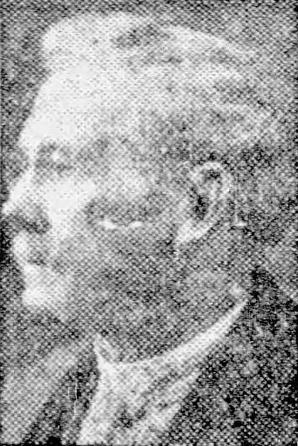
Benjamin H. Jellison was born on December 29, 1845, in Newburyport, Massachusetts. He became a distinguished Union Army soldier whose courage during the Battle of Gettysburg earned him the Medal of Honor. Serving as a Sergeant in Company C of the 19th Massachusetts Volunteer Infantry, Jellison captured a Confederate battle flag and assisted in taking enemy prisoners on July 3, 1863, during one of the most decisive engagements of the American Civil War.
Jellison grew up in Massachusetts during a period of increasing national tension over slavery and the future of the Union. When the Civil War began in April 1861, thousands of volunteers answered President Abraham Lincoln's call for military service.
In July 1861, Jellison enlisted in the Union Army and joined the 19th Massachusetts Volunteer Infantry. Organized at Camp Schouler in Lynnfield, Massachusetts, the regiment entered federal service that summer and subsequently joined the Army of the Potomac.
The 19th Massachusetts participated in major campaigns of the Civil War's Eastern Theater. Its wartime operations included the Peninsula Campaign and the battles of Antietam, Fredericksburg, and Gettysburg. The regiment endured demanding marches, repeated engagements, and heavy battlefield casualties while serving with the Union's principal army in Virginia and Maryland.
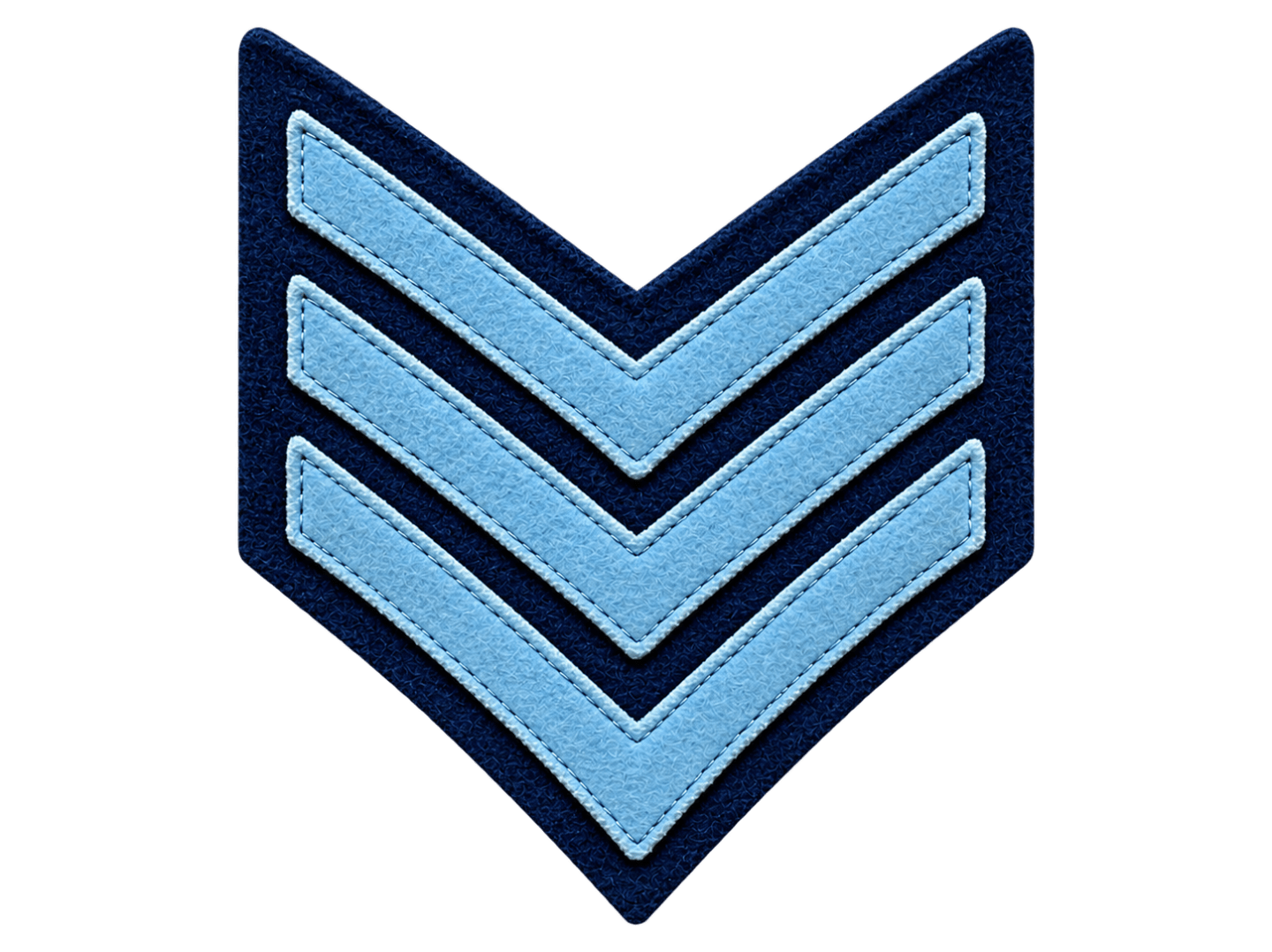
By July 1863, Jellison held the rank of Sergeant in Company C. His regiment was serving with the Union II Corps as Confederate General Robert E. Lee advanced into Pennsylvania during his second invasion of the North.
The opposing armies met at Gettysburg, Pennsylvania, on July 1, 1863. Over the following three days, the battle developed into one of the largest and bloodiest confrontations of the Civil War.
On July 3, Confederate forces launched a major infantry assault against the Union center on Cemetery Ridge. The attack, remembered as Pickett's Charge, sent thousands of Confederate soldiers across open ground toward strongly defended Federal positions.
Union artillery and infantry opened devastating fire against the advancing formations. Despite heavy casualties, portions of the Confederate attacking force reached the Union defensive line, where intense close-range fighting followed.
The 19th Massachusetts Infantry participated in the defense against the Confederate assault. It was during this engagement that Sergeant Benjamin H. Jellison performed the action for which he would receive the Medal of Honor.
Amid the fighting, Jellison captured a Confederate regimental battle flag and assisted in taking enemy soldiers prisoner.
Regimental colors held considerable importance during the Civil War. They identified military formations, served as rallying points during battle, and represented the identity and honor of individual regiments. Their capture was therefore regarded as a significant military achievement.
Jellison's actions took place during the repulse of the Confederate attack, as Union soldiers fought to maintain their defensive positions and capture enemy troops who had reached the Federal lines.
His courage was recognized as an exceptional act of battlefield gallantry. The capture of the Confederate colors and his assistance in securing prisoners became the defining military achievement of his career.
The Union victory at Gettysburg forced Lee's army to withdraw from Pennsylvania and marked a major turning point in the war's Eastern Theater.
Jellison continued serving in the Union Army after Gettysburg as the conflict entered its final stages. His regiment remained associated with the Army of the Potomac during subsequent operations against Confederate forces.
His battlefield courage received formal recognition in December 1864.
**The Medal of Honor was issued to Benjamin H. Jellison on December 1, 1864, for his extraordinary conduct at Gettysburg on July 3, 1863.**
**The decoration was formally presented five days later, on December 6, 1864, by Major General George G. Meade during a military review at Second Army Corps Headquarters, Peebles' House, near Petersburg, Virginia.**
The presentation took place while the Union Army continued its operations around Petersburg, where Federal forces were engaged in a prolonged campaign against Confederate defenses.
Jellison received the Medal of Honor during his lifetime, approximately seventeen months after the action for which he was recognized.
The decoration honored his bravery as a Sergeant of the 19th Massachusetts Infantry and preserved his contribution to the Union defense during the final day of Gettysburg.
Jellison remained in military service until the conclusion of the Civil War. He was mustered out with his regiment in June 1865, following nearly four years of Union Army service.
After the war, he returned to civilian life in Massachusetts but maintained his connection with military service.
In 1873, Jellison entered the Massachusetts militia, beginning a second period of military involvement. He initially served as a private and subsequently advanced through the ranks.
During his militia career, he attained the rank of Captain, the highest military rank recorded for his service. He remained associated with the Massachusetts militia until 1893.
His postwar military career demonstrated a continued commitment to service long after the end of the conflict that had earned him the Medal of Honor.
Jellison lived for several decades after the Civil War, witnessing the development of the United States into a major industrial nation. His Medal of Honor remained a permanent recognition of his wartime courage and connected his later life with the historic events at Gettysburg.
Benjamin H. Jellison died on April 5, 1924, in Reading, Massachusetts, at the age of seventy-eight. He was buried at Elmwood Cemetery in Haverhill, Massachusetts.
His military legacy is closely associated with the Battle of Gettysburg and the service of the 19th Massachusetts Volunteer Infantry. As a Sergeant, he captured Confederate colors and assisted in taking prisoners during the intense fighting of July 3, 1863.
His actions earned him the Medal of Honor, issued on December 1, 1864, and personally presented by Major General George G. Meade on December 6, 1864.
Benjamin H. Jellison is remembered as a Union Army soldier whose courage at Gettysburg secured his place among the Medal of Honor recipients of the American Civil War. His subsequent advancement to Captain in the Massachusetts militia further reflected a military career extending beyond his distinguished wartime service.
Become the named supporter for this profile and edit the tribute biography and portrait (Owner account required). Proceeds help keep the archive online.
$25 USD / year — annual sponsorship renewal. Keeps the page online and, where enabled, the family anniversary remembrance emails active.