★
Loading archive…
Loading archive…

Corporal, U.S. Army
Support & adopt this hero ↓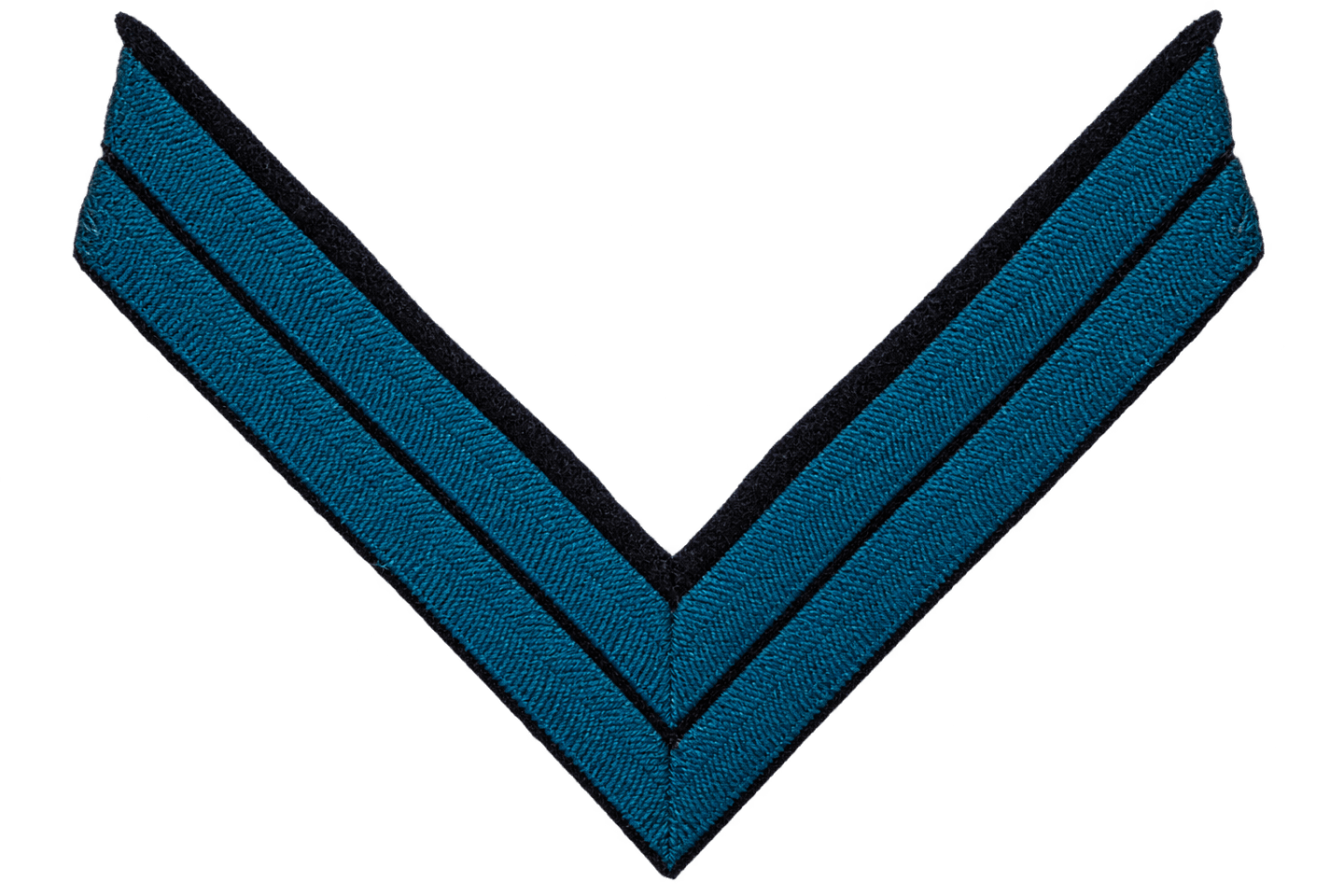
The Confederate Flag Captured at Fort Gregg
Charles Avery Reeder was born in 1843 in the western region of Virginia, before West Virginia became a separate state. He became a Union Army soldier whose courage during the final days of the American Civil War earned him the Medal of Honor. On April 2, 1865, while serving as a Private in Company G of the 12th West Virginia Volunteer Infantry, Reeder captured a Confederate battle flag during the assault on Fort Gregg near Petersburg, Virginia.
Reeder's early life unfolded in a region that would become deeply divided during the Civil War. When fighting began in April 1861, western Virginia contained communities with strong Union sympathies alongside others that supported the Confederacy.
The political divisions eventually led to the formation of West Virginia, which entered the Union as a separate state on June 20, 1863.
Reeder entered military service with the Union Army and became a member of Company G of the 12th West Virginia Infantry.
The regiment was organized at Wheeling in August 1862 and subsequently participated in military operations across Virginia and the Shenandoah Valley.
Its early assignments included defending important Union positions and supporting operations intended to limit Confederate movements throughout the region.
During 1864, the 12th West Virginia Infantry served in campaigns associated with the Union advance through the Shenandoah Valley.
The regiment's wartime history included engagements at New Market, Piedmont, Lynchburg, and other locations where Union and Confederate forces competed for control of strategically important territory.
Later that year, the regiment was transferred to operations around Richmond and Petersburg, where Union armies were attempting to defeat General Robert E. Lee's Army of Northern Virginia.
By the spring of 1865, the 12th West Virginia Infantry was serving with the Union XXIV Corps in the Army of the James.
Petersburg had been under pressure from Union forces since June 1864. Its railroad connections supplied Richmond and the Confederate army, making the city essential to Lee's defensive system.
Lieutenant General Ulysses S. Grant directed sustained operations against Confederate positions, gradually extending Union lines and threatening the transportation routes on which Lee's army depended.
By early April 1865, Confederate forces faced a deteriorating military situation.
On April 1, Union troops won a decisive engagement at Five Forks, threatening the remaining Confederate supply lines and creating an opportunity for a major assault against Petersburg.
The following morning, April 2, 1865, Union forces attacked Confederate defenses surrounding the city.
One of the positions resisting the Federal advance was Fort Gregg, also identified in military records as Battery Gregg.
The fort formed part of the Confederate defensive system protecting Petersburg. Its earthworks provided shelter for the defenders, while attacking soldiers faced exposed approaches and intense small-arms fire.
Confederate troops continued resisting as Union infantry advanced toward the fortifications.
The 12th West Virginia Infantry participated in the assault as part of the Union force determined to capture the position.
It was during this engagement that Private Charles Avery Reeder performed the action for which he would receive the Medal of Honor.
Amid the fighting at Fort Gregg, Reeder captured a Confederate battle flag.
Regimental flags held considerable importance during the Civil War. They identified military formations, helped soldiers maintain their positions during combat, and represented the identity and honor of the units that carried them.
The capture of enemy colors was regarded as a distinguished military achievement, particularly when accomplished during an assault against a defended position.
Reeder's action occurred during the intense fighting for control of Fort Gregg.
His official Medal of Honor citation summarized the achievement in three words:
"Capture of flag."
Although the citation did not describe the precise circumstances of the encounter, it established the act of battlefield courage for which he was recognized.
The assault on Fort Gregg became one of the most distinguished engagements in the history of the 12th West Virginia Infantry.
Colonel William B. Curtis, who commanded the brigade that included the regiment, reported that Union soldiers advanced over the Confederate defenses and captured the fort's garrison.
The fighting was severe, and the attacking force suffered casualties while overcoming Confederate resistance.
The 12th West Virginia received special recognition for its conduct during the assault. Major General John Gibbon, commander of the XXIV Corps, presented the regiment with an engraved eagle for its flagstaff in recognition of its gallantry at Fort Gregg.
Several soldiers associated with the regiment, including Reeder, received the Medal of Honor for their individual actions during the war.
The fall of Fort Gregg occurred as the broader Confederate defensive system around Petersburg was collapsing.
On the night of April 2, General Lee ordered the evacuation of Petersburg and Richmond.
Confederate troops began withdrawing westward as Union forces continued their pursuit.
The retreat led to the Appomattox Campaign, which ended when Lee surrendered the Army of Northern Virginia to Grant at Appomattox Court House on April 9, 1865.
The 12th West Virginia Infantry remained in federal service for a short period after the surrender and was mustered out on June 16, 1865.
Reeder survived the war and subsequently attained the rank of Corporal, the highest recorded rank associated with his military service.
His Medal of Honor action, however, took place while he held the rank of Private.
Two years after the assault on Fort Gregg, his bravery received formal national recognition.
On April 3, 1867, Charles Avery Reeder received the Army Medal of Honor for his actions on April 2, 1865.
The decoration recognized his capture of a Confederate battle flag during the assault against the Confederate defenses near Petersburg.
Reeder received the Medal of Honor during his lifetime, preserving official recognition of his battlefield courage.
After leaving military service, Reeder returned to civilian life in West Virginia.
Historical accounts identify him as a merchant during his postwar years. Although detailed records of his business and family life are limited, his military achievement remained associated with the communities of Shinnston and Harrison County.
Charles Avery Reeder died on September 28, 1902, in Morgantown, West Virginia, at the age of fifty-eight.
He was buried at Masonic Cemetery in Shinnston, West Virginia.
His military legacy remains closely connected to the final Union assault on Petersburg.
On April 2, 1865, as Union soldiers fought to capture Fort Gregg, Reeder seized a Confederate battle flag and performed the act of courage that earned him the nation's highest military decoration for valor.
Charles Avery Reeder is remembered as a Union Army soldier whose bravery during one of the final major engagements of the American Civil War secured his place among the Medal of Honor recipients of the United States.
Become the named supporter for this profile and edit the tribute biography and portrait (Owner account required). Proceeds help keep the archive online.
$25 USD / year — annual sponsorship renewal. Keeps the page online and, where enabled, the family anniversary remembrance emails active.