★
Loading archive…
Loading archive…
First Lieutenant, U.S. Army
Support & adopt this hero ↓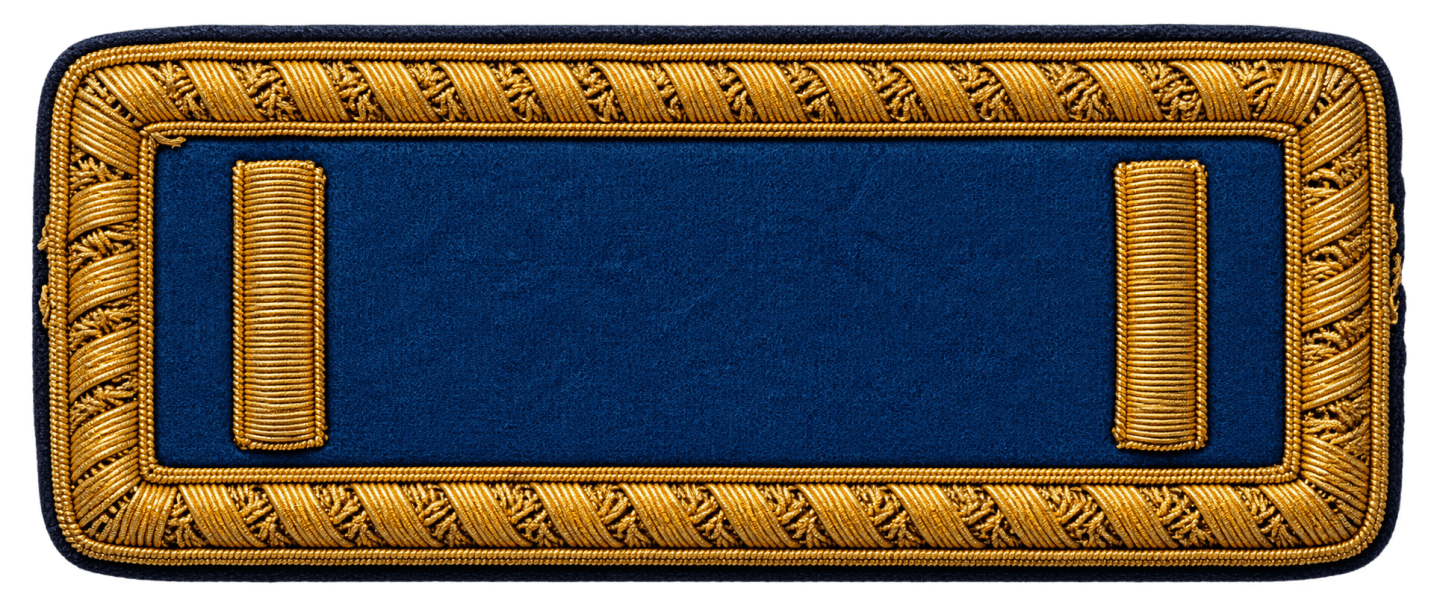
Charles B. Tanner was born on November 25, 1842, in Philadelphia, Pennsylvania. He came of age just as the United States was being torn apart by the Civil War. As a young man he entered Union service through Wilmington, Delaware, beginning a military career that would take him from the enlisted ranks to commissioned leadership and ultimately earn him the Medal of Honor. Congressional Medal of Honor Society Tanner initially served with the 1st Delaware Infantry. Biographical military records indicate that he entered the regiment as an enlisted soldier, advanced through the ranks, served as a Sergeant Major, and was commissioned Second Lieutenant on April 1, 1862. By September of that year he was an officer in Company H, 1st Delaware Infantry, serving in the United States Army. His later highest verified rank was First Lieutenant, but on the day that defined his military reputation he was still a Second Lieutenant. Antietam on the Web The 1st Delaware became part of the Army of the Potomac's II Corps and took part in the Maryland Campaign of 1862. On September 17, 1862, the regiment went into battle at Antietam. The First Delaware fought in the midday phase of the battle as part of Brigadier General William French's division, advancing toward the Confederate position along the Sunken Road—the ground that would become known as Bloody Lane. The National Park Service identifies Tanner and the 1st Delaware directly with this fighting. National Park Service The regiment's advance brought it into extremely heavy fire. The First Delaware's color guard suffered devastating losses as the unit pushed toward the Confederate line. The regimental colors eventually fell dangerously close to the enemy position. According to Tanner's official Medal of Honor citation, the colors were lying only about twenty yards from the Confederate lines, and all nine members of the color guard had been killed or wounded. U.S. Army For Civil War regiments, the colors were far more than ceremonial objects. They were used as visual rallying points in battle and represented the identity and honor of the regiment. Losing them to the enemy was regarded as a serious military and symbolic disaster. Recovering the First Delaware's colors therefore meant moving directly into an area dominated by enemy fire. Second Lieutenant Charles B. Tanner went forward to recover them. The National Park Service preserves Tanner's own recollection of the moment. He described reaching the damaged flagstaff while bullets passed around him and being hit as he attempted to bring the colors back. His official citation confirms the essential facts: Tanner successfully carried off the fallen regimental colors and was wounded three times while doing so. National Park Service One of Tanner's wounds shattered his arm, yet he still managed to carry the colors back toward the Union line. His success prevented the flag from falling into Confederate hands and preserved one of the regiment's most important symbols. Today, the National Park Service specifically lists his action at Bloody Lane as “wounded three times while recovering his regiment's colors.” National Park Service Tanner survived his injuries. His military career did not end at Antietam, and his advancement after the battle explains why the website profile should use First Lieutenant as his highest verified rank rather than Second Lieutenant. The Congressional Medal of Honor Society records him as Second Lieutenant — Highest Rank: First Lieutenant. Congressional Medal of Honor Society Biographical military records indicate that Tanner was promoted to First Lieutenant shortly after Antietam while recovering from his wounds. He subsequently continued serving with the 1st Delaware. Accounts of his later Civil War service associate him with the Battle of Chancellorsville, where he was reportedly recommended for recognition after helping wounded soldiers endangered by burning woods. He later served as acting adjutant during the Gettysburg campaign and was again wounded. Persistent effects of his military injuries eventually led to his discharge from that period of service in 1863. Antietam on the Web Tanner nevertheless returned to military service. Historical biographical records state that in October 1864 he joined Company H, 69th Pennsylvania Infantry as a First Lieutenant and later suffered another wound during operations around Petersburg, Virginia. His return to duty after earlier serious wounds adds another dimension to a career most often remembered only for the dramatic events at Antietam. Antietam on the Web Recognition for Tanner's Antietam heroism came many years after the battle. On December 13, 1889, the United States formally presented him with the Medal of Honor. The official U.S. Army record identifies him as Second Lieutenant, Company H, 1st Delaware Infantry, and gives his citation for carrying the regimental colors away from the enemy lines after the color guard had been killed or wounded, despite Tanner himself receiving three wounds. U.S. Army This award date is also important for the project's ribbon representation. Tanner's Medal of Honor was issued in 1889, so the correct historical database option is: Medal of Honor 1862–1895 Army No V device should be attached to it. The second ribbon shown in the project rack, the Civil War Campaign Medal 1862–1895 Army, represents Tanner's documented Civil War Army service. His service at Antietam and subsequent operations clearly places him within the Civil War period represented by the project medal category. It should be treated separately from his Medal of Honor: the Medal of Honor recognizes one extraordinary individual action, while the campaign medal represents wartime service more broadly. The physical Army Civil War Campaign Medal itself was created decades after the Civil War, so Tanner's biography should not claim that he received it during the 1860s. In the project rack it represents his qualifying Civil War service rather than the date of the medal's creation. After the war, Tanner entered civilian life. Biographical records state that he married and had a daughter, served as postmaster at Kennett Square, Pennsylvania, and later moved to Washington, D.C., where he worked as a clerk in the War Department. A Washington newspaper from the early twentieth century also identified a “Capt. Charles B. Tanner” as an employee of the War Department, supporting his long association with federal government service. Antietam on the Web Tanner lived for almost half a century after the Civil War. The Congressional Medal of Honor Society records his death on December 16, 1911, at Floral Park, New York. He was buried in Greenfield Cemetery in Hempstead, New York. Congressional Medal of Honor Society Charles B. Tanner's historical importance rests above all on what happened at Antietam. He was not yet a senior officer when the First Delaware's colors fell near the Confederate lines. He was a Second Lieutenant, fighting with a regiment that had suffered terrible losses during its advance toward the Sunken Road. With the color guard down and the flag exposed, Tanner went forward, recovered the colors, endured three wounds, and successfully brought the flag back. That act was eventually recognized with the nation's highest military decoration. His subsequent promotion to First Lieutenant, continued Civil War service, additional wounds, and long postwar life demonstrate that Antietam was the defining moment of a much broader military career.
Become the named supporter for this profile and edit the tribute biography and portrait (Owner account required). Proceeds help keep the archive online.
$25 USD / year — annual sponsorship renewal. Keeps the page online and, where enabled, the family anniversary remembrance emails active.