★
Loading archive…
Loading archive…

He led his squad from a stream despite wounds and heavy fire
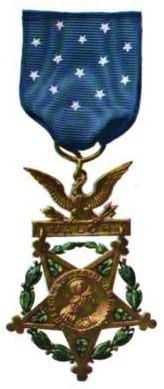
Charles E. Mower was a U.S. Army sergeant from Chippewa Falls, Wisconsin, who received the Medal of Honor posthumously for his leadership during the Battle of Leyte in the Philippines. Born on November 29, 1924, he served with Company A, 34th Infantry Regiment, 24th Infantry Division. On November 3, 1944, his squad attacked Japanese positions protecting a stream in a wooded gulch near Capoocan. When concentrated fire killed the squad leader, Mower took command and led his men toward the opposite bank to bring their weapons to bear on the defenders.
Mower was severely wounded in the crossing, but he remained in the exposed streambed, half submerged under enemy fire. He refused shelter and assistance, instead signaling and shouting directions to his squad. From that position he helped guide the destruction of two Japanese machine guns and numerous riflemen. The enemy concentrated its fire on him after recognizing his role in the attack; Mower was killed while still urging his soldiers forward. His leadership helped the squad complete its mission.
The Medal of Honor citation records both the tactical importance of his actions and the example his conduct gave his fellow soldiers. The U.S. Army announced the award in General Order No. 17, dated February 11, 1946.
He was nineteen when he died and is buried at Manila American Cemetery in the Philippines.
Medal of Honor citation
He was an assistant squad leader in an attack against strongly defended enemy positions on both sides of a stream running through a wooded gulch. As the squad advanced through concentrated fire, the leader was killed and Sergeant Mower assumed command. In order to bring direct fire upon the enemy, he had started to lead his men across the stream, which by this time was churned by machinegun and rifle fire, but he was severely wounded before reaching the opposite bank. After signaling his unit to halt, he realized his own exposed position was the most advantageous point from which to direct the attack, and stood fast. Half submerged, gravely wounded, but refusing to seek shelter or accept aid of any kind, he continued to shout and signal to his squad as he directed it in the destruction of two enemy machineguns and numerous riflemen. Discovering that the intrepid man in the stream was largely responsible for the successful action being taken against them, the remaining Japanese concentrated the full force of their firepower upon him, and he was killed while still urging his men on. Sergeant Mower's gallant initiative and heroic determination aided materially in the successful completion of his squad's mission. His magnificent leadership was an inspiration to those with whom he served.
Become the named supporter for this profile and edit the tribute biography and portrait (Owner account required). Proceeds help keep the archive online.
$25 USD / year — annual sponsorship renewal. Keeps the page online and, where enabled, the family anniversary remembrance emails active.