★
Loading archive…
Loading archive…
First Lieutenant, U.S. Army
Support & adopt this hero ↓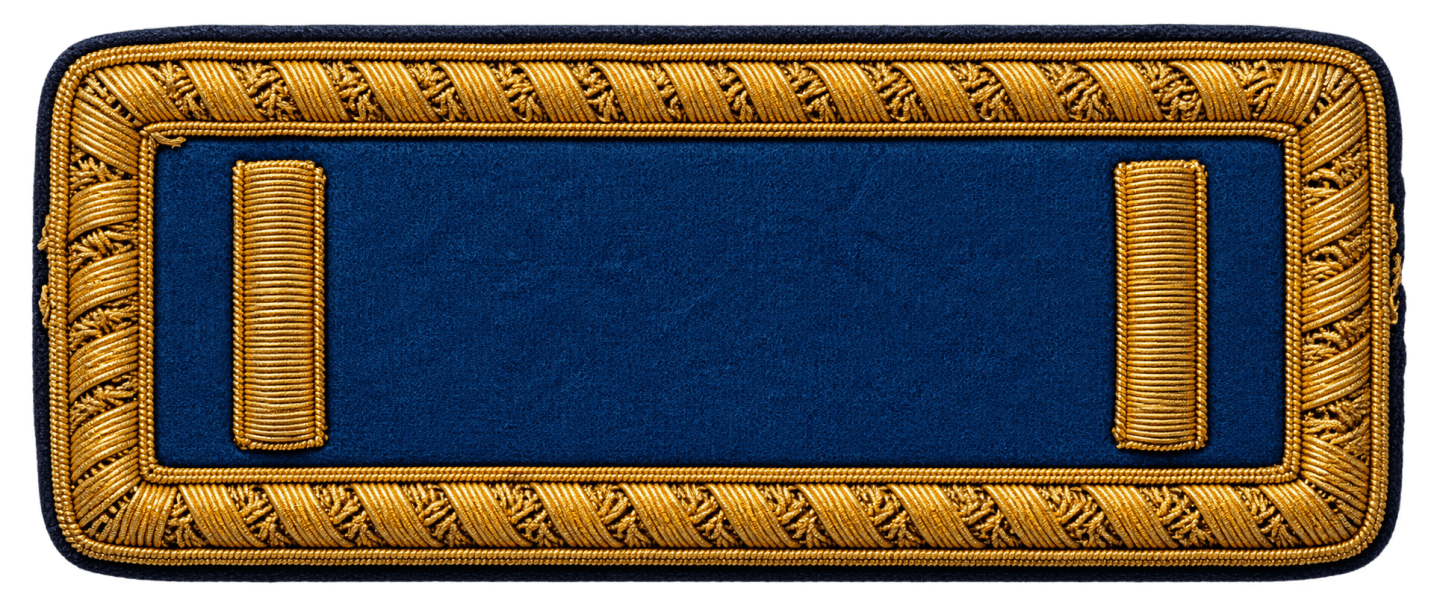
Charles E. Wilson was a cavalryman of the United States Army whose courage during the closing days of the American Civil War earned him the Medal of Honor. He served with Company A, 1st New Jersey Cavalry, entering the regiment as a private and eventually rising to Sergeant before receiving a commission as First Lieutenant near the end of his service. Wilson’s defining moment came at Deatonsville during the Battle of Sailor’s Creek, Virginia, on April 6, 1865, only three days before Robert E. Lee surrendered the Army of Northern Virginia at Appomattox Court House. Congressional Medal of Honor Society Wilson was born in Bucks County, Pennsylvania, although surviving authoritative records differ slightly on his exact birth year. The Congressional Medal of Honor Society records 1840, while the Library of Congress authority record associated with his identified wartime photograph gives 1842. Because of that discrepancy, the safest historical treatment is to identify his birthplace firmly as Bucks County without forcing an uncertain exact birth date. Congressional Medal of Honor Society Wilson entered military service early in the Civil War. He was mustered into Company A of the 1st New Jersey Cavalry as a Private on August 14, 1861. Cavalry service demanded considerable skill and endurance: troopers conducted reconnaissance, screening operations, raids, mounted assaults, and pursuit missions while frequently fighting both mounted and dismounted. Wilson remained with the regiment through years of campaigning and chose to continue his service by re-enlisting on December 27, 1863. His experience and record eventually brought advancement, and on November 1, 1864, he was promoted to Sergeant. Suvcw By the spring of 1865, the 1st New Jersey Cavalry was participating in the final campaign against General Robert E. Lee’s Army of Northern Virginia. After Union forces broke the Confederate lines around Petersburg, Lee evacuated Petersburg and Richmond and attempted to move westward. Union cavalry aggressively pursued the retreating Confederate columns, seeking to block their routes, capture supplies, and prevent Lee from escaping toward another Confederate army. The pursuit culminated in a series of engagements around Sailor’s Creek on April 6, 1865. The National Park Service records that a substantial portion of Lee’s retreating force was cut off there and that large numbers of Confederate soldiers, including senior officers, surrendered. National Park Service It was in this desperate final phase of the war that Sergeant Wilson performed the act that established his place in Medal of Honor history. The cavalry attack involving the 1st New Jersey Cavalry came against Confederate troops positioned behind defensive works. A New Jersey historical account describes the successful assault as following an earlier attack that had been repulsed. The renewed cavalry charge crossed exposed ground toward the Confederate position, requiring mounted soldiers to maintain momentum while facing concentrated enemy fire. Suvcw During that charge, Sergeant Charles E. Wilson carried the colors and charged directly against the enemy’s works. His Medal of Honor citation records the extraordinary danger he faced in stark terms: during the advance, two horses were shot from under him. Despite those losses, Wilson continued participating in the assault rather than abandoning the attack. The simple wording of the citation reflects the intensity of the act—he carried the colors at the forefront of a cavalry charge and repeatedly found himself exposed to enemy fire severe enough to bring down two mounts beneath him. Congressional Medal of Honor Society The colors held exceptional importance in Civil War combat. They were both symbols of the regiment and practical battlefield rallying points. A soldier carrying them was highly visible to his own men, but that visibility also made him especially vulnerable to enemy fire. By advancing with the colors against prepared Confederate positions, Wilson placed himself in one of the most exposed roles in the attacking formation. His persistence after losing two horses demonstrated precisely the conspicuous courage for which the Medal of Honor was intended. The charge formed part of a larger Union cavalry success at Sailor’s Creek. Contemporary accounts preserved in New Jersey Medal of Honor research describe the attacking cavalry maintaining its formation, crossing the Confederate works, driving defenders back, and continuing toward Confederate wagons and troops beyond the initial defensive line. The wider battle proved disastrous for Lee’s army. The National Park Service describes Sailor’s Creek as a major Union victory in which a large part of the retreating Confederate force was captured; Lee surrendered at Appomattox only three days later. Suvcw Medal of Honor For his conduct at Deatonsville (Sailor’s Creek), Virginia, on April 6, 1865, Sergeant Charles E. Wilson received the Medal of Honor, the highest military decoration of the United States. His verified Medal of Honor details are: Decoration: Medal of Honor Branch: United States Army Rank at Action: Sergeant Unit: Company A, 1st New Jersey Cavalry Action Date: April 6, 1865 Action Location: Deatonsville (Sailor’s Creek), Virginia Posthumous: No Citation basis: Charged the enemy’s works while carrying the colors and had two horses shot from under him. Congressional Medal of Honor Society For your database’s historical ribbon classification, the correct selection remains: Medal of Honor 1862–1895 Army ✅ The Congressional Medal of Honor Society records the presentation date as July 3, 1865. A New Jersey historical compilation gives July 4, creating a one-day discrepancy; for this project I would use July 3, 1865, because the Congressional Medal of Honor Society is the stronger Medal-of-Honor-specific authority. Congressional Medal of Honor Society Wilson continued in service through the immediate aftermath of the war. On July 18, 1865, he received a commission as First Lieutenant of Company F. However, the surviving New Jersey research specifically notes that he was mustered out before the new commission could formally become effective. He was honorably mustered out on July 24, 1865. This explains the important distinction in his record: Sergeant was his verified rank during the Medal of Honor action, while First Lieutenant is recorded as his highest rank and is also the rank used by the Library of Congress in identifying his surviving military portrait. Suvcw After the war, Wilson lived for another half-century. He died on August 15, 1915, in Trenton, New Jersey, and was buried at Highland Cemetery in Hopewell Township, New Jersey. His Medal of Honor was not a posthumous award; he lived for decades after receiving recognition for his Civil War service. Congressional Medal of Honor Society Charles E. Wilson’s legacy is centered on a remarkable cavalry charge made during the final collapse of the Confederate war effort. Beginning his service as a Private, advancing to Sergeant, and ultimately being recorded as a First Lieutenant, he remained in uniform from the early months of the Civil War through its conclusion. Yet his defining achievement occurred on April 6, 1865, when, carrying his regiment’s colors, he charged Confederate works at Sailor’s Creek and continued despite having two horses shot from beneath him. The Medal of Honor permanently preserved that moment of courage and made Wilson one of the distinguished cavalrymen of the 1st New Jersey Cavalry.
Become the named supporter for this profile and edit the tribute biography and portrait (Owner account required). Proceeds help keep the archive online.
$25 USD / year — annual sponsorship renewal. Keeps the page online and, where enabled, the family anniversary remembrance emails active.