★
Loading archive…
Loading archive…
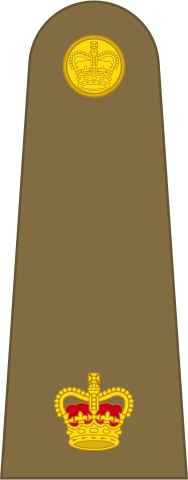
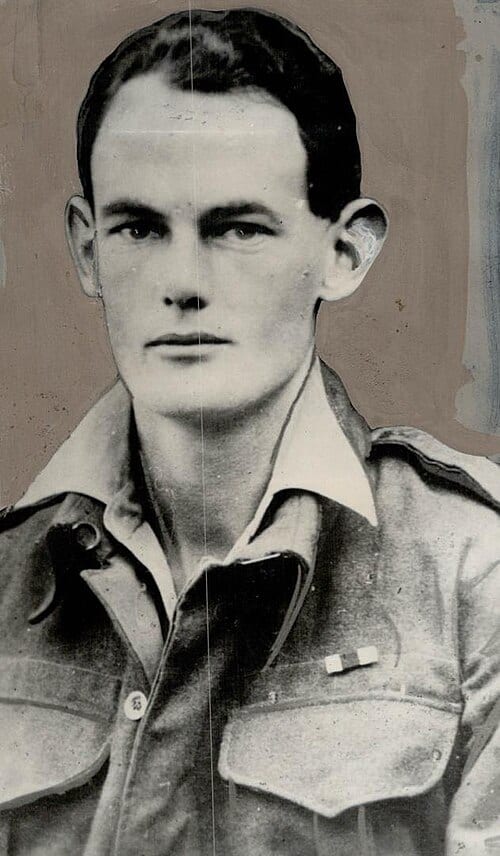
What kind of courage drives a soldier forward when he has already been shot twice? For Major Charles Ferguson Hoey, a Canadian-born officer of the British Army, the answer came on 16 February 1944 in the jungles of Burma. Wounded, exposed to devastating enemy fire and facing a heavily defended Japanese stronghold, he refused to retreat. His extraordinary final assault would earn him the Victoria Cross, Britain's highest decoration for gallantry, and secure his place among the most remarkable heroes of the Second World War.
Born on 29 March 1914 in Duncan, British Columbia, Charles Ferguson Hoey travelled to England in 1933 determined to become a professional soldier. After initially enlisting in the Queen's Own Royal West Kent Regiment, he earned admission to the Royal Military College, Sandhurst, and received his commission in the Lincolnshire Regiment on 28 January 1937. He joined its 1st Battalion in India later that year and subsequently fought in the Burma campaign against Japanese forces.
Hoey's courage had already distinguished him before his final battle. During a daring raid against Japanese positions at Maungdaw in July 1943, known as Operation Otter, his exceptional leadership under enemy fire earned him the Military Cross, officially announced in The London Gazette on 30 September 1943. He was also Mentioned in Despatches for gallant and distinguished service in Burma and on India's eastern frontier, with his name appearing in the Gazette of 16 December 1943. These honours reflected a commander whose personal bravery was matched by his devotion to the soldiers he led.
Yet his greatest test was still to come. On 16 February 1944, during the Battle of the Admin Box in the Arakan campaign, Hoey's company was ordered to capture a vital Japanese position near Ngakyedauk Pass. After a dangerous night march through enemy-held territory, his men encountered intense machine-gun and rifle fire. Rather than remain behind his advancing troops, Hoey personally led the assault. Although wounded in both the leg and head, he seized a Bren light machine gun from one of his soldiers and continued forward, firing from the hip. His determination was so extraordinary that his own company struggled to keep pace with him.
What followed became one of the defining acts of battlefield leadership in the Burma campaign. Hoey reached the enemy strongpoint ahead of his men and destroyed its defenders before suffering mortal wounds. His fearless advance enabled the capture of the crucial position. The official Victoria Cross citation, published in The London Gazette on 16 May 1944, praised his outstanding gallantry, leadership, disregard for personal safety and unwavering determination. The Victoria Cross was awarded posthumously in recognition of his extraordinary sacrifice.
Major Charles Ferguson Hoey died in February 1944, aged just 29, and rests at Taukkyan War Cemetery in Myanmar. His younger brother, Trevor Hoey, was also killed during the Second World War, fighting with Canadian forces in Normandy. Today, Charles Hoey is remembered in both Canada and Britain as a symbol of courage, sacrifice and leadership. His legacy is not simply that he advanced into overwhelming enemy fire, but that even when gravely wounded, he continued to lead from the front, placing the success of his mission and the lives of his men above his own.
Become the named supporter for this profile and edit the tribute biography and portrait (Owner account required). Proceeds help keep the archive online.
$25 USD / year — annual sponsorship renewal. Keeps the page online and, where enabled, the family anniversary remembrance emails active.