★
Loading archive…
Loading archive…
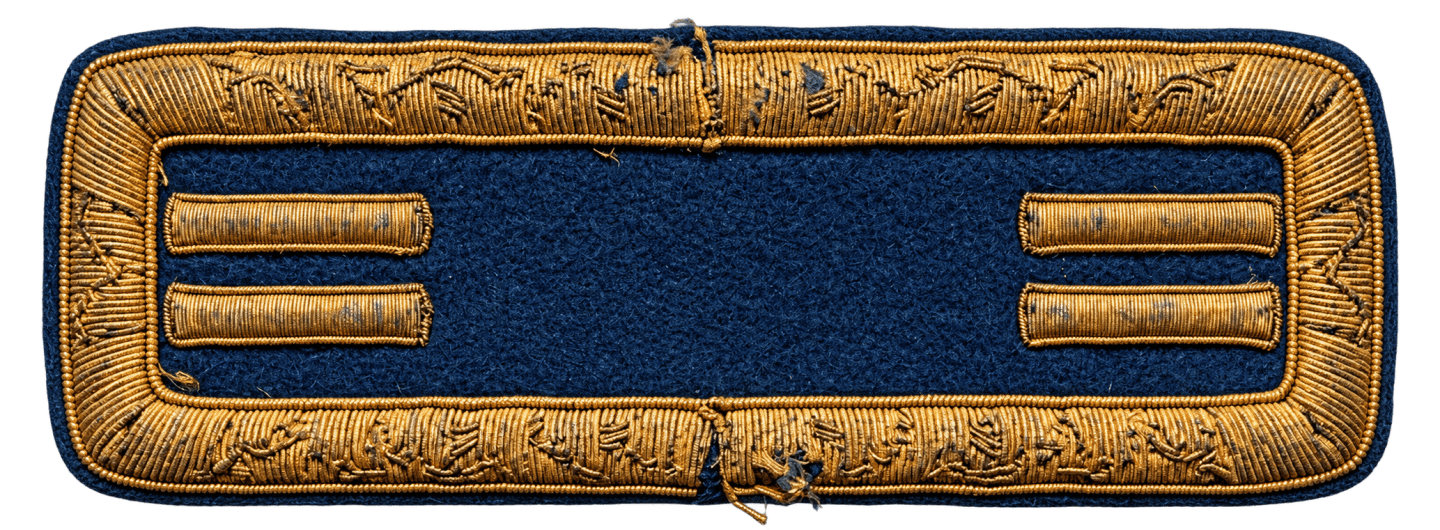
Charles W. Brouse was a United States Army officer and American Civil War veteran whose leadership at the Battle of Missionary Ridge ultimately earned him the Medal of Honor. He served as Captain of Company K, 100th Indiana Infantry, and his highest verified military rank was Captain, the same rank he held during his Medal of Honor action. Brouse was born in Indiana in 1839 and was closely associated with Indianapolis throughout his life. Surviving historical records contain a discrepancy regarding his exact birth date, so 1839 remains the safest firmly established year without forcing an uncertain day into his profile. His parents were Reverend John A. Brouse and Mary C. Brouse. The Civil War involved more than one member of the family, as his father also accompanied the 100th Indiana Infantry as a chaplain. Charles entered military service as an officer responsible for the leadership and welfare of an entire company of Indiana volunteers. The 100th Indiana Infantry was raised in response to President Abraham Lincoln's call for additional troops in 1862. Company K drew many of its men from Indianapolis and central Indiana, and Charles W. Brouse was commissioned Captain of the company on September 24, 1862. As a company commander, Brouse was responsible for maintaining discipline, supervising training, managing company administration, caring for the welfare of his soldiers and leading them directly in combat. His later Medal of Honor action demonstrated the degree to which he accepted the personal responsibilities of command. The regiment moved south and entered operations in the Western Theater. After periods of organization and movement through Indiana, Kentucky and Tennessee, the regiment reached the Memphis area and became part of Union forces operating along the Mississippi River. The 100th Indiana subsequently participated in operations connected with the Vicksburg Campaign. The capture of Vicksburg was one of the most strategically important Union objectives of the war because control of the city would help secure the Mississippi River and divide the Confederacy geographically. Following operations in Mississippi, the regiment became involved in the struggle for Chattanooga, Tennessee. Confederate forces occupied commanding positions around the city, including Missionary Ridge. Union operations in November 1863 sought to break the Confederate hold on Chattanooga and open the route deeper into the South. For Charles W. Brouse, the defining day of his military career came on November 25, 1863. The 100th Indiana Infantry participated in the fighting around Missionary Ridge. Confederate troops held elevated defensive positions, and Union soldiers advancing toward them were subjected to intense rifle and artillery fire. Brouse was commanding Company K when his men came under severe enemy fire. Recognizing the danger, he ordered his soldiers to lie down behind the limited protection available in order to reduce their exposure. As their commanding officer, Brouse could have taken the same cover. Instead, he remained upright and moved along the top of the works in full view of both his soldiers and the enemy. His purpose was to encourage his men and demonstrate through personal example that their commander was sharing the danger they faced. Under intense fire, maintaining discipline and confidence was essential, and Brouse deliberately exposed himself so that his soldiers could see him continuing to perform his duty. The danger was immediate. While moving along the exposed position, Brouse was struck and severely wounded. This action became the defining event of his military legacy. His Medal of Honor recognition centered on his conduct after ordering his soldiers to seek protection. Brouse personally refused that protection and continued moving visibly along the works to encourage his men until enemy fire brought him down. His action was therefore an example of direct combat leadership. It was not based on a flag capture, rescue or general recognition of an entire military career. It honored a specific decision made by a company commander under severe enemy fire at Missionary Ridge. Brouse survived his wound, but its consequences affected the remainder of his military service. He was eventually discharged because of disability on January 16, 1865, only months before the Civil War came to an end. His verified wartime rank remained Captain. In his case there is no distinction between his rank during the heroic action and a higher later rank, because Captain was both his Medal of Honor action rank and his highest verified military rank. Recognition for his conduct did not come immediately. Like a number of Civil War soldiers whose actions were formally reviewed years later, Brouse waited more than three decades before receiving the nation's highest military decoration. On May 16, 1899, Charles W. Brouse was awarded the Medal of Honor for his conduct at Missionary Ridge on November 25, 1863. The award was made during his lifetime and was therefore not posthumous. The Medal of Honor had been authorized for the United States Army during the Civil War in 1862. Brouse's qualifying act of heroism occurred during that Civil War period, and under the project's established historical database convention his decoration is classified as Medal of Honor 1862–1895 Army. The 1899 date represents the formal award or presentation date of Brouse's Medal of Honor. It does not change the historical classification of the combat action for which he was recognized. His qualifying battlefield action remained the Battle of Missionary Ridge on November 25, 1863. No separate star, clasp, bar, oak leaf cluster or other device has been verified for Brouse's Medal of Honor. His Medal of Honor therefore appears without any additional device or clasp. After leaving the Army, Brouse returned to Indianapolis and rebuilt his life away from the battlefield. On December 25, 1867, he married Margaret Caroline Thorpe. They later raised a family, while Brouse became active in civilian business and local affairs. He entered the real estate business and became particularly associated with the developing Indianapolis suburb of Irvington. His involvement extended beyond private business, and he later served in local civic responsibilities as the community developed. The contrast between Brouse's wartime and civilian life was considerable. During the Civil War he had commanded soldiers in dangerous operations across the Western Theater. In the decades after the conflict, he participated in the growth and development of the Indianapolis area. Nevertheless, Missionary Ridge remained the defining episode of his military reputation. When Brouse finally received the Medal of Honor in 1899, more than thirty-five years had passed since the young Captain had deliberately exposed himself to Confederate fire in front of Company K. The decoration transformed an act remembered by his comrades into officially recognized national military history. Brouse remained associated with Indianapolis for the rest of his life. He died on October 26, 1904, in Indianapolis, Indiana, and was buried at Crown Hill Cemetery. His grave later became part of the physical remembrance of his Medal of Honor service, ensuring that his wartime courage remained publicly recognized long after his death. Charles W. Brouse's military legacy ultimately centers on a simple but powerful command decision. Under severe Confederate fire at Missionary Ridge, he ordered his soldiers to lie down and take advantage of the available protection. He then refused to do the same. Instead, their Captain remained exposed and moved along the works so his men could see him continuing to lead them. He maintained that position until enemy fire struck him and left him severely wounded. That act of leadership occurred on November 25, 1863. More than thirty-five years later, the United States formally recognized it with the Medal of Honor. Charles W. Brouse is remembered as a United States Army Captain, commander of Company K of the 100th Indiana Infantry, a Civil War veteran, a wounded combat officer and a Medal of Honor recipient whose willingness to expose himself to the same danger faced by his soldiers became the defining act of his military career
Become the named supporter for this profile and edit the tribute biography and portrait (Owner account required). Proceeds help keep the archive online.
$25 USD / year — annual sponsorship renewal. Keeps the page online and, where enabled, the family anniversary remembrance emails active.