★
Loading archive…
Loading archive…
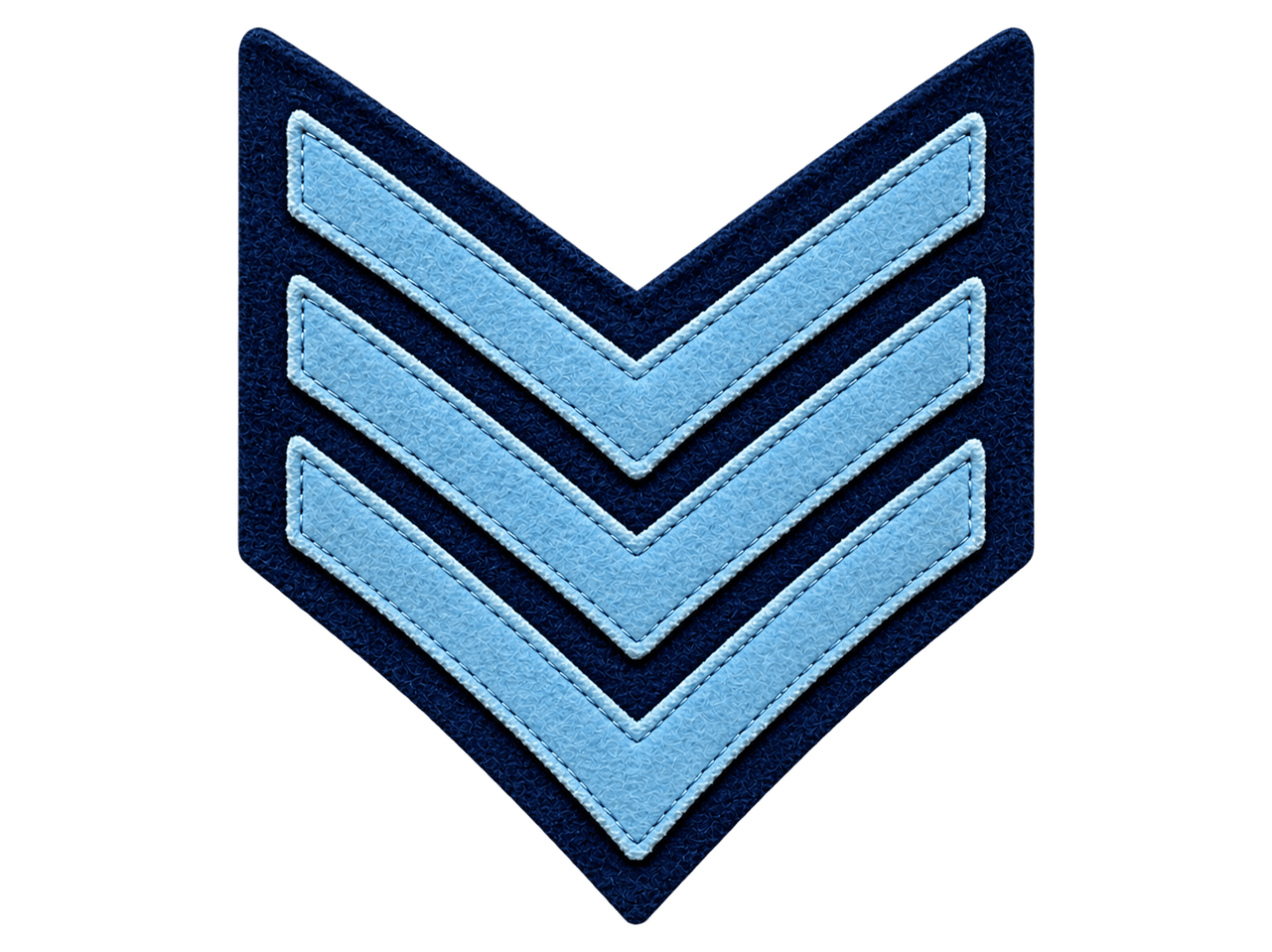
Charles W. Dolloff was a Union Army soldier during the American Civil War whose courage in the final assault on Petersburg, Virginia, earned him the Medal of Honor. At the time of the action for which he was recognized, Dolloff held the rank of Corporal. He later advanced to Sergeant, which should be recorded separately as his highest confirmed rank.
Dolloff served with a Vermont regiment that is identified in different historical records as Company K of the 1st Vermont Heavy Artillery and, in some older Medal of Honor records, as the 1st Vermont Infantry. The difference reflects historical unit designation and record-keeping rather than a conflict over his identity or rank. For his hero profile, the important point is that he was serving in a Union Army Vermont unit during the final operations around Petersburg.
By the spring of 1865, the Civil War in Virginia had entered its last decisive phase. Union forces under Lieutenant General Ulysses S. Grant had been pressing Confederate General Robert E. Lee’s Army of Northern Virginia around Petersburg for many months. Petersburg was strategically vital because its roads and railroads supplied both Lee’s army and the Confederate capital at Richmond.
The Union campaign gradually extended westward, cutting supply routes and forcing Confederate troops to defend a longer and longer line.
Charles Dolloff’s defining Medal of Honor action took place on April 2, 1865, during the final Union breakthrough at Petersburg.
That day, Union forces launched large-scale assaults against Confederate defensive positions.
The attacks finally broke through sections of the Petersburg line and made continued Confederate occupation of the city impossible.
Dolloff distinguished himself during this fighting by capturing an enemy flag.
The official Medal of Honor citation is concise, recording his action as the capture of a flag.
Although the citation is brief, the meaning of such an achievement in Civil War combat was significant.
Regimental and unit colors served both symbolic and practical purposes.
They represented the identity and honor of the military unit, but they were also vital battlefield reference points.
In the smoke, noise, and confusion of combat, soldiers used flags to locate their unit and maintain formation.
Because of their importance, color bearers were highly exposed and frequently defended by other soldiers.
Capturing enemy colors normally required a soldier to enter extremely dangerous close-range fighting.
A man attempting to seize a flag could face the color bearer, members of the color guard, and nearby enemy troops.
Dolloff’s success therefore represented a notable act of battlefield courage.
His action occurred at one of the most decisive moments of the Civil War.
The breakthrough at Petersburg on April 2 forced the Confederate evacuation of both Petersburg and Richmond.
Lee’s army began retreating westward while Union forces pursued.
Only one week later, on April 9, 1865, Lee surrendered the Army of Northern Virginia at Appomattox Court House.
Dolloff’s Medal of Honor action therefore took place during the military collapse that effectively ended major Confederate resistance in Virginia.
For his gallantry at Petersburg, Charles W. Dolloff was awarded the Medal of Honor.
The correct historical version for his profile is the Medal of Honor 1862–1895 Army.
The Army Medal of Honor had been established during the Civil War as the highest national military decoration for extraordinary gallantry and distinguished conduct.
Its early design featured the familiar five-pointed star used for the first generations of Army recipients.
Dolloff’s award was issued in 1865.
Historical sources preserve two slightly different administrative dates associated with the award process: an issue date in April 1865 and a later presentation date in May 1865.
These dates should not be confused with the actual battlefield action.
His heroic action occurred on April 2, 1865.
The recognition followed shortly afterward.
Because both award-related dates fall within the same historical Medal of Honor period, the correct database version remains Medal of Honor 1862–1895 Army.
No verified device, clasp, star, bar, or other attachment is associated with his Medal of Honor.
His final verified medal rack should therefore display the plain Medal of Honor 1862–1895 Army.
Dolloff’s action rank was Corporal.
This is the rank that should be used when describing the Medal of Honor event itself.
He later attained the rank of Sergeant.
The distinction between those two ranks matters.
A Corporal was a junior noncommissioned officer who could help supervise enlisted soldiers, maintain formations, and transmit instructions.
A Sergeant carried greater responsibility and was more directly involved in discipline, leadership, and the control of soldiers in both camp and combat.
Dolloff’s later promotion to Sergeant therefore indicates that his military service progressed beyond the rank he held during the Petersburg action.
For his final database profile, Rank should remain Corporal, while Highest Rank should be Sergeant.
His combat specialization was Infantry.
Even though the unit’s historical designation includes Heavy Artillery in some records, its wartime employment in the final Petersburg operations included direct ground combat.
Dolloff’s Medal of Honor action was the capture of enemy colors during a land battle, so Infantry remains the most appropriate combat classification for the heroic action itself.
The Petersburg Campaign had lasted for many months before the final breakthrough.
Union and Confederate armies had constructed extensive trench systems, artillery positions, and defensive works.
The fighting often resembled later forms of entrenched warfare, with repeated assaults against fortified positions and constant pressure on supply routes.
Soldiers serving there endured artillery fire, sharpshooting, long periods in trenches, poor weather, fatigue, and the continuous possibility of sudden attack.
By April 1865, Confederate resources had been badly reduced.
The Union army had numerical and logistical superiority, while Lee’s forces struggled to maintain an increasingly stretched defensive line.
The assault of April 2 finally broke the system that had protected Petersburg.
Dolloff’s capture of a Confederate flag occurred within this larger collapse.
His action symbolized both individual bravery and the breakdown of Confederate defensive formations during the final Union advance.
Dolloff’s medal history is intentionally limited.
The Medal of Honor 1862–1895 Army is his only verified decoration for the final rack.
A Civil War Campaign Medal should not be added.
Dolloff died on August 2, 1884, long before that later campaign medal was established.
In addition, the current research standard requires recipient-specific entitlement rather than assumption based solely on wartime service.
His final verified medal count therefore remains one.
That single decoration, however, represents the highest military honor of the United States.
Dolloff’s service after the war is less extensively documented in surviving authoritative sources than his Medal of Honor action.
For that reason, uncertain details about his civilian occupation, family, or later residence should not be expanded without strong evidence.
What remains historically secure is his Union Army service, his action at Petersburg, his later promotion to Sergeant, and his status as a Medal of Honor recipient.
For his final hero profile, the central facts are clear.
Charles W. Dolloff served in the United States Army.
He was a Corporal when he performed his Medal of Honor action at Petersburg, Virginia, on April 2, 1865.
During the final Union breakthrough, he captured an enemy flag.
He later rose to Sergeant, his highest confirmed rank.
His Medal of Honor was issued in 1865.
His correct verified decoration is the Medal of Honor 1862–1895 Army, with no verified device or clasp.
Charles W. Dolloff should ultimately be remembered as a Union soldier whose courage was demonstrated during one of the Civil War’s final decisive battles.
By capturing enemy colors during the Petersburg breakthrough, he performed an act of close-range battlefield gallantry at the very moment Confederate resistance in Virginia was collapsing.
The Medal of Honor 1862–1895 Army remains the defining symbol of his military service and preserves Charles W. Dolloff’s place among the recognized heroes of the United States Army.
Become the named supporter for this profile and edit the tribute biography and portrait (Owner account required). Proceeds help keep the archive online.
$25 USD / year — annual sponsorship renewal. Keeps the page online and, where enabled, the family anniversary remembrance emails active.