★
Loading archive…
Loading archive…
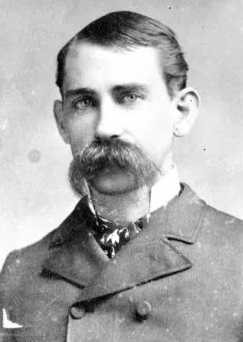
Captain, U.S. Army
Support & adopt this hero ↓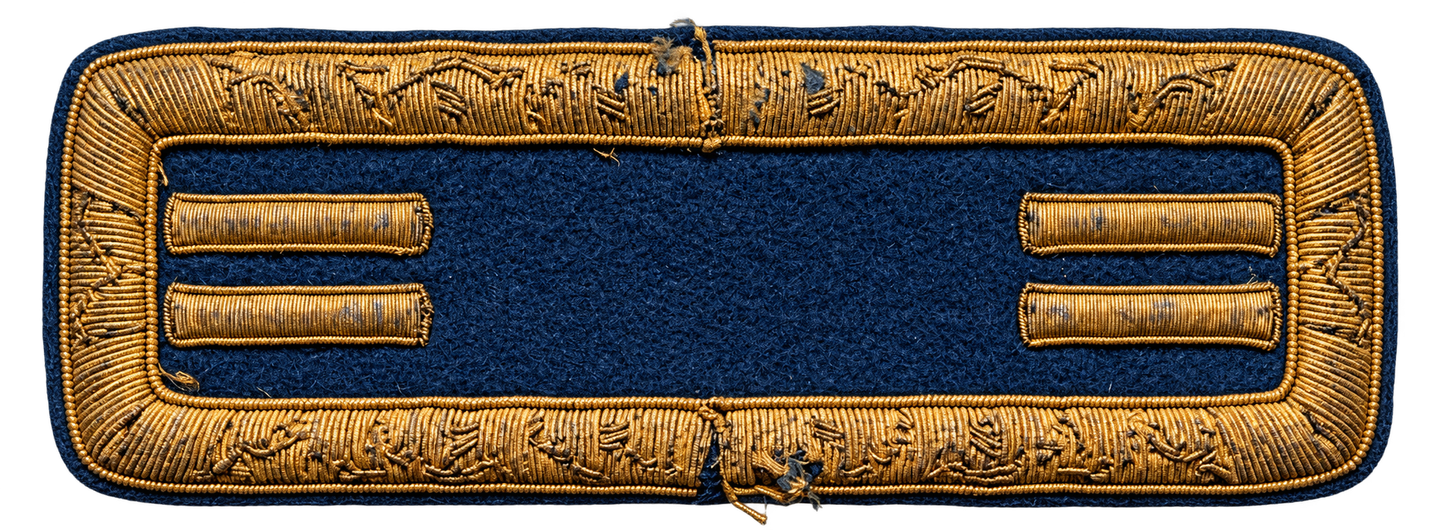
From Civil War Drummer to Medal of Honor Recipient
Claron Augustus Windus (January 10, 1850 – October 18, 1927) was an American soldier, frontier law enforcement officer, and recipient of the United States Medal of Honor. His military career extended across three major periods of American history: the Civil War, the Indian Wars, and the Spanish-American War. Beginning his service as a young drummer, he later distinguished himself as a cavalry bugler in Texas and eventually attained the rank of Captain in the United States Volunteer Army.
Born in Janesville, Wisconsin, to George and Mary Windus, he attended local public schools before entering military service at a young age. During the American Civil War, he served as a drummer with the 5th Wisconsin Volunteer Infantry, a Union regiment that participated in major operations in Virginia, including the Siege of Petersburg. Following his Civil War service, Windus enlisted in the Regular Army in October 1866, reportedly misrepresenting his age to meet enlistment requirements. He was assigned to Company L, 6th United States Cavalry, and served on the western frontier, primarily in Texas and Kansas.
His early Regular Army service included a disciplinary setback. In February 1868, Windus was court-martialed for desertion and theft and sentenced to twelve months of hard labor. He subsequently resumed military duty and remained with the 6th Cavalry.
Windus earned his place in American military history during the Battle of the Little Wichita River on July 12, 1870. Serving as a Bugler and orderly in Company L, 6th U.S. Cavalry, he accompanied a mounted detachment commanded by Captain Curwen B. McLellan. The expedition had departed Fort Richardson in pursuit of Kiowa warriors following an attack on a mail stagecoach near Rock Station, Texas.
After several days of pursuit, the cavalry encountered a Kiowa force led by Chief Kicking Bird near the Little Wichita River in northern Texas. The American detachment found itself substantially outnumbered and became engaged in a prolonged battle while attempting to withdraw. During the fighting, Windus performed his duties under dangerous conditions, helped the wounded Army surgeon George W. Hatch care for injured soldiers, and assisted efforts to drive Kiowa marksmen from commanding positions.
On July 13, Windus volunteered alongside Sergeant George Eldridge and civilian guide James Dosher to travel toward Fort Richardson and obtain assistance for the endangered command. The volunteers successfully evaded the opposing forces and helped secure relief. Their actions formed part of the exceptional service recognized following the engagement.
Captain McLellan recommended Windus and twelve other soldiers for the Medal of Honor. Official Army records list August 25, 1870, as the award's issue date, and subsequent accounts describe formal presentations at Fort Richardson in October. The official citation recognized Windus for gallantry in action at Wichita River, Texas. His recorded rank at the time of the Medal of Honor action was Bugler, not Captain.
After completing his Regular Army enlistment, Windus received an honorable discharge on October 12, 1871. He settled in Texas, working as a teamster and mail agent before becoming a deputy sheriff in Brackettville, Kinney County, in 1875.
His law enforcement career included a fatal and historically controversial confrontation on January 1, 1877. During an attempt to arrest several wanted men in the Black Seminole community near Brackettville, Windus shot and killed Adam Paine, a former Black Seminole Army scout who had also received the Medal of Honor. Accounts differ concerning the precise circumstances of the shooting. The incident remains a rare and significant episode in Medal of Honor history, as it is the only widely documented case of one recipient killing another.
On February 3, 1877, Windus married Agnes Ballantyne in Brackettville. The couple had three daughters: Agnes Margaret, Lucy Amy, and Cora Edith. Windus established a family home in Brackettville and became involved in local public affairs and property ownership. He subsequently served as Kinney County tax assessor, a mounted customs inspector, and a deputy United States marshal. His federal law enforcement work included service during the Garza conflict along the Texas–Mexico border in the early 1890s.
When the Spanish-American War began in 1898, Windus returned to military service as a commissioned officer. He was appointed Captain in the 9th United States Volunteer Infantry, commanding Company I. The regiment included African American enlisted soldiers and was organized for service during the war with Spain.
According to the regiment's contemporary history, Windus was assigned to command the Ferguson Rifles of Houston on June 25, 1898, and entered federal volunteer service on July 1. His regiment departed New Orleans for Cuba on August 17 and landed near Santiago on August 23. While serving in Cuba, Windus became seriously ill with fever in September but recovered sufficiently to return to duty. His later military service established Captain as the highest verified rank of his career.
Following his discharge from volunteer service in 1899, Windus returned to Texas and resumed civilian life. He again worked in federal customs service from approximately 1900 to 1920, maintaining longstanding connections with Brackettville and the surrounding frontier communities. His family residence became a notable local landmark and was among the earliest homes in Brackettville to receive running water.
During his later years, Windus remained connected with military veterans' organizations. In 1921, he received an invitation to participate in the national ceremonies associated with the burial of an unidentified American soldier from the First World War at Arlington National Cemetery, although he declined to attend.
Windus became ill in September 1927 and was admitted to the military hospital at Fort Sam Houston in San Antonio, Texas. He died there on October 18, 1927, at the age of 77. He was buried in Masonic Cemetery in Brackettville, where members of his family were also laid to rest.
Claron Augustus Windus's life reflected the complicated history of the American frontier, encompassing youthful Civil War service, distinguished conduct in combat, controversial law enforcement activity, and later commissioned military leadership. His Medal of Honor recognized his actions as a Bugler during the 1870 Battle of the Little Wichita River, while his subsequent service as a Captain completed a military career spanning more than three decades.
Become the named supporter for this profile and edit the tribute biography and portrait (Owner account required). Proceeds help keep the archive online.
$25 USD / year — annual sponsorship renewal. Keeps the page online and, where enabled, the family anniversary remembrance emails active.