★
Loading archive…
Loading archive…
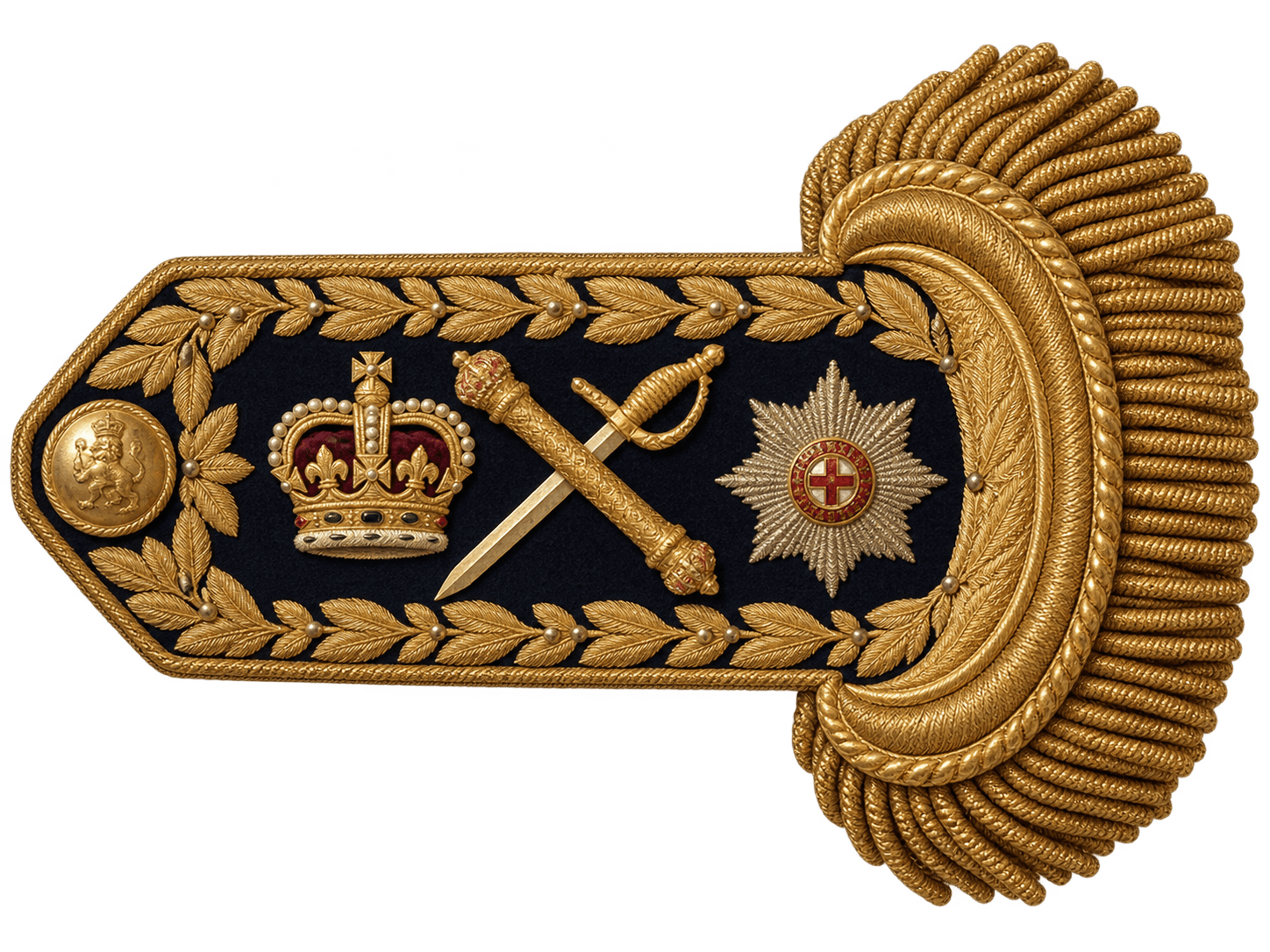
Carried Gunpowder Through Russian Fire to Keep the Guns of Sebastopol Firing
When the British batteries at Sebastopol began running out of gunpowder under heavy Russian fire, Collingwood Dickson did not remain behind the protection of the trenches. He went out to the exposed ammunition wagons and helped carry the powder barrels forward himself.
On 17 October 1854, during the first great bombardment of Sebastopol in the Crimean War, Dickson commanded the Right Siege Train of the Royal Artillery. The batteries of the Right Attack were consuming ammunition rapidly and their supply of powder was nearly exhausted.
Wagons from the field batteries had been brought forward, but unloading them meant working in ground swept by Russian fire. Dickson personally supervised the resupply and joined the men carrying powder into the batteries.
The official citation later recorded that he displayed “the greatest coolness and contempt of danger” while directing the unloading and personally assisting with the powder barrels under severe enemy fire. His Victoria Cross was announced in the London Gazette on 23 June 1857.
Dickson had already spent nearly twenty years as an artillery officer before earning Britain’s highest award for gallantry.
Born at Valenciennes, France, on 20 November 1817, he was the son of Major-General Sir Alexander Dickson, one of the Royal Artillery’s distinguished officers of the Napoleonic era. Collingwood was educated at the Royal Military Academy, Woolwich, and entered the Royal Artillery in 1835.
His first active service came during the First Carlist War in Spain. His service there brought three Spanish honours: appointment as a Knight of the Royal and Distinguished Order of Charles III, the 1st Class of the Royal and Military Order of San Fernando, and a knighthood in the Order of Isabella the Catholic.
The Crimean War placed Dickson at the centre of some of the British Army’s hardest fighting. He served on Lord Raglan’s staff and was present at the Alma, the capture of Balaklava, Inkerman and the siege of Sebastopol. He was wounded on 4 February 1855 and also took part in the expedition to Kertch. His Crimea Medal carried four clasps: Alma, Balaklava, Inkermann and Sebastopol.
His Crimean service brought further recognition. Dickson was appointed a Companion of the Order of the Bath in 1855, received the Turkish Crimea Medal and was awarded the Ottoman Order of the Medjidie, 2nd Class. France appointed him to the Legion of Honour, ultimately at the grade of Officer.
On 26 June 1857, Dickson was among the first group of Victoria Cross recipients personally decorated by Queen Victoria at the great Hyde Park investiture.
His career continued for decades after the Crimea. Dickson became Inspector-General of Artillery from 1870 to 1875, Colonel Commandant of the Royal Artillery in 1875 and a full General in 1877. His advancement in the Order of the Bath eventually culminated in appointment as a Knight Grand Cross.
He retired on 20 November 1884 after a career that had taken him from the battlefields of Spain to the siege works of the Crimea and the senior leadership of the Royal Artillery. He died in London on 28 November 1904, aged eighty-seven, and was buried at Kensal Green Cemetery.
His medals are preserved in the Royal Artillery Collection, linking one of the regiment’s longest careers to a few extraordinary minutes at Sebastopol when its guns were running short of powder and their commander stepped into enemy fire to keep them firing.
Become the named supporter for this profile and edit the tribute biography and portrait (Owner account required). Proceeds help keep the archive online.
$25 USD / year — annual sponsorship renewal. Keeps the page online and, where enabled, the family anniversary remembrance emails active.
