★
Loading archive…
Loading archive…

Captain, British Army
Support & adopt this hero ↓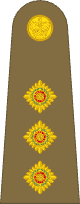
He silenced a machine gun and rallied men who lost officers.
Eric Norman Frankland Bell VC was born at Enniskillen on 28 August 1895. His father served in the Royal Inniskilling Fusiliers. The family later lived in Warrington and Liverpool, where Bell studied architecture at the university and worked with Professor Charles Reilly.
He volunteered after the First World War began and was commissioned in 1914. Joining the 9th Royal Inniskilling Fusiliers, he went to France in October 1915. By the Somme offensive he was a temporary captain serving with the 109th Brigade's light trench mortar battery in the 36th Ulster Division.
On 1 July 1916, near Thiepval, a German machine gun held up the British advance. Bell went forward and shot the gunner. When bombing parties could make no progress, he advanced alone and threw trench mortar bombs among the defenders.
His duties did not require him to lead the infantry, but as casualties removed their officers he repeatedly helped rally and reorganise groups of soldiers. He was killed while continuing that work on the opening day of the Battle of the Somme. He was 20 years old.
The Victoria Cross was awarded posthumously, and his father received it from King George V in November 1916. Bell has no known grave and is commemorated on the Thiepval Memorial. His wartime entitlement also included the 1914-15 Star, British War Medal and Victory Medal. His architecture school and regiment preserve his story.
Official Victoria Cross citation
For most conspicuous bravery. He was in command of a Trench Mortar Battery, and advanced with the infantry in the attack. When our front line was hung up by enfilading machine gun fire Captain Bell crept forward and shot the machine gunner. Later, on no less than three occasions, when our bombing parties, which were clearing the enemy’s trenches, were unable to advance, he went forward alone and threw Trench Mortar bombs among the enemy. When he had no more bombs available he stood on the parapet, under intense fire, and used a rifle with great coolness and effect on the enemy advancing to counter-attack. Finally he was killed rallying and reorganising infantry parties which had lost their officers. All this was outside the scope of his normal duties with his battery. He gave his life in his supreme devotion to duty.
Supplement to The London Gazette of 26 September 1916. 26 September 1916, Numb. 29765, pp. 9417-18
Become the named supporter for this profile and edit the tribute biography and portrait (Owner account required). Proceeds help keep the archive online.
$25 USD / year — annual sponsorship renewal. Keeps the page online and, where enabled, the family anniversary remembrance emails active.