★
Loading archive…
Loading archive…

Blown into the air, he rallied survivors and held the crater
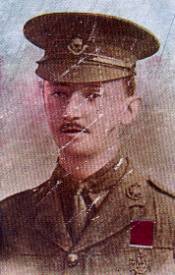
Eric Archibald McNair VC was born in Calcutta on 16 June 1894, the son of a solicitor. He attended Charterhouse and Magdalen College, Oxford, before joining the Royal Sussex Regiment after war began. He reached France in October 1915 with the 9th Battalion.
Near Hooge in Belgium on 14 February 1916, a German mine exploded beneath British positions, throwing McNair and other soldiers into the air and burying men and equipment. Although shaken, the young lieutenant immediately gathered survivors and positioned a machine gun along the near edge of the crater.
His party stopped the approaching German infantry. McNair then went back to obtain reinforcements and arranged replacement ammunition, bombs and tools. With the communication trench blocked, he crossed open ground under fire and brought the reinforcements forward by the same dangerous route. His quick response prevented the explosion from becoming a successful enemy breakthrough.
King George V presented his Victoria Cross at Buckingham Palace in May 1916. Later that year he was severely wounded on the Somme, suffering injuries to his shoulder and back. After recovery and staff training, he returned to military work and eventually served on the Italian front as a temporary captain and staff officer.
He contracted chronic dysentery and died in hospital at Genoa on 12 August 1918, aged 24. He was buried in Staglieno Cemetery. His honours also included the 1914-15 Star, British War Medal and Victory Medal.
Official Victoria Cross citation
For most conspicuous bravery. When the enemy exploded a mine, Lieutenant McNair and many men of two platoons were hoisted into the air, and many men were buried. But, though much shaken, he at once organized a party with a machine-gun to man the near edge of the crater and opened rapid fire on a large party of the enemy, who were advancing. The enemy were driven back, leaving many dead. Lieutenant McNair then ran back for reinforcements, and sent to another unit for bombs, ammunition and tools to replace those buried. The communication trench being blocked, he went across the open under heavy fire and led up the reinforcements the same way. His prompt and plucky action and example undoubtedly saved the situation.
Fourth Supplement to The London Gazette of 28 March 1916. 30 March 1916, Numb. 29527, p. 3409
Become the named supporter for this profile and edit the tribute biography and portrait (Owner account required). Proceeds help keep the archive online.
$25 USD / year — annual sponsorship renewal. Keeps the page online and, where enabled, the family anniversary remembrance emails active.