★
Loading archive…
Loading archive…

Corporal, U.S. Army
Support & adopt this hero ↓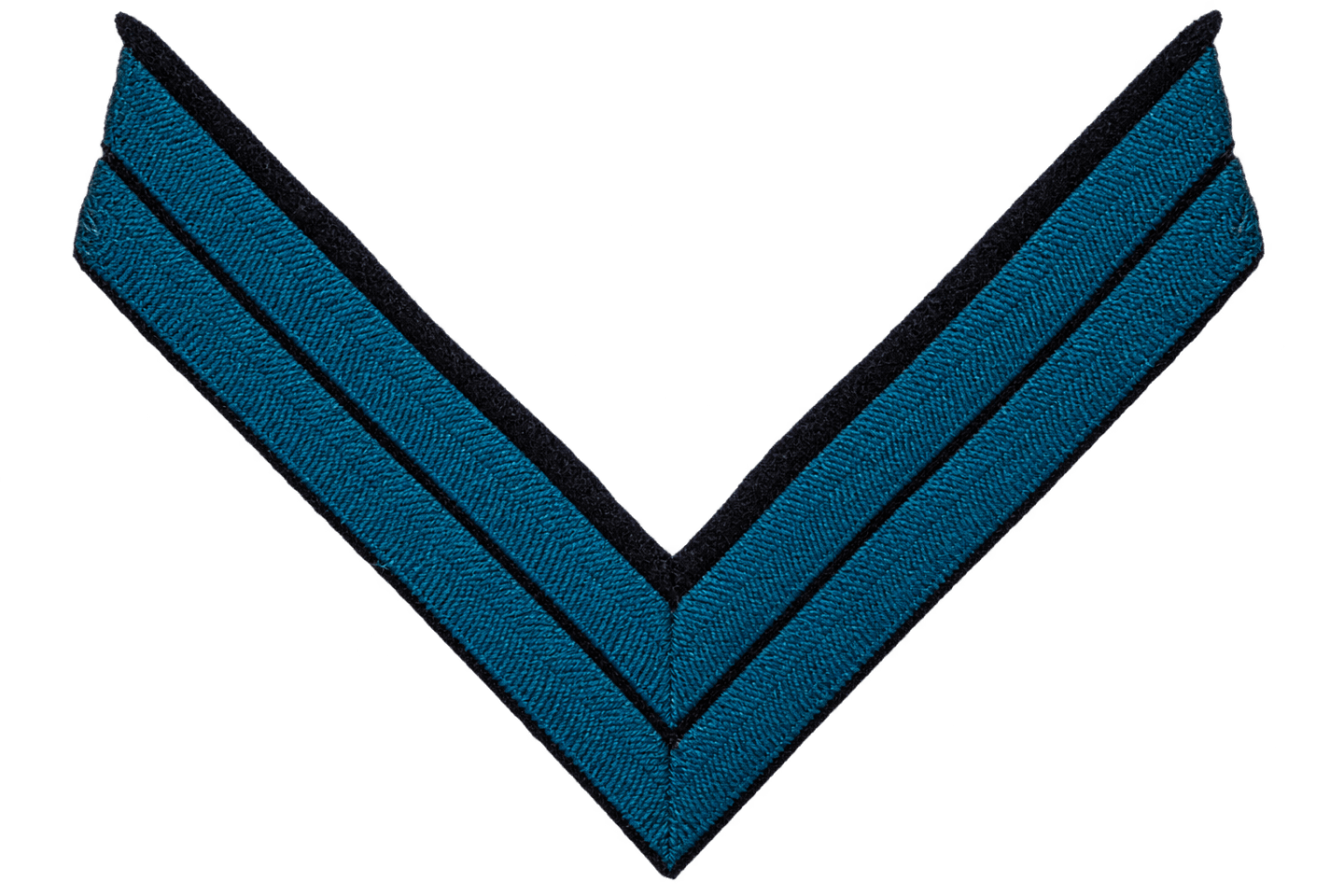
Francis Emroy Warren was born on June 20, 1844, in Hinsdale, Berkshire County, Massachusetts. He attended local common schools and Hinsdale Academy before the American Civil War changed the direction of his young life. Warren was still a teenager when he entered military service. He enlisted in the 49th Regiment, Massachusetts Volunteer Infantry and served with Company C. His historical military branch for the project is the United States Army. He initially served as a private and advanced to noncommissioned-officer status, holding the rank of Corporal at the time of the action for which he would later receive the Medal of Honor.
The 49th Massachusetts Infantry was sent south as Union forces intensified their operations along the Mississippi River. Control of the Mississippi was one of the most important strategic objectives of the war. By 1863 the Confederacy still held major fortified positions at Vicksburg, Mississippi, and Port Hudson, Louisiana. Port Hudson occupied high ground overlooking a bend in the river and was protected by an extensive system of earthworks and artillery positions. Union Major General Nathaniel P. Banks moved against the stronghold while Major General Ulysses S. Grant conducted operations against Vicksburg farther north.
By late May 1863 Union forces had surrounded Port Hudson. The Confederate garrison, commanded by Major General Franklin Gardner, occupied strongly constructed defensive positions. Banks hoped that a determined attack could break those defenses before a lengthy siege became necessary. On May 27, 1863, Union troops launched a series of major assaults against the Confederate works. The attacks were carried out across difficult terrain and against prepared positions, exposing advancing soldiers to intense rifle and artillery fire.
Francis E. Warren's Medal of Honor action took place during the May 27 assault. He was serving as a Corporal in Company C of the 49th Massachusetts Infantry and was only eighteen years old, just a few weeks short of his nineteenth birthday. Before the general assault, a call was made for volunteers to participate in an advance toward the Confederate works. Warren volunteered and took part in this movement despite the heavy fire coming from the enemy defenses.
The official Medal of Honor record emphasizes this voluntary decision. Warren was not merely participating as part of the normal movement of his regiment. He responded to a specific call for volunteers and advanced toward the fortified Confederate position under heavy fire before the main assault went forward. This act of voluntarily accepting an especially dangerous assignment became the basis for his later Medal of Honor recognition.
The Union assaults of May 27 failed to break the Port Hudson defenses, and the operation developed into a prolonged siege. Another major assault on June 14 was also repulsed. Union forces then continued siege operations until events elsewhere changed the military situation. After Vicksburg surrendered in early July, the Confederate position at Port Hudson became increasingly untenable. The garrison surrendered on July 9, 1863, bringing the long siege to an end and helping establish Union control over the Mississippi River.
Warren continued serving with the 49th Massachusetts Infantry until the completion of his volunteer service. His verified U.S. Army rank associated with his Medal of Honor record is Corporal, and no higher federal Army rank has been established for him. He later served as a Captain in the Massachusetts Militia, but this is important to distinguish from his United States Army service. For the project's U.S. Army Rank and Highest Rank fields, Corporal is therefore the appropriate federal military rank. Captain belongs to his later Massachusetts Militia service and should not replace Corporal in the U.S. Army rank field.
After leaving active Civil War service, Warren returned to Massachusetts and became involved in farming and stock raising. In 1868 he moved west to Wyoming, which was then part of the developing western territorial system. He settled in Cheyenne and built a substantial civilian career through mercantile activity, livestock operations, real estate and other business interests. His experience in the rapidly growing western community eventually led him into territorial politics.
Warren served in the Wyoming Territorial legislature and held several local and territorial positions. He was a member of the Cheyenne City Council, served as territorial treasurer on several occasions and became mayor of Cheyenne in 1885. That same year President Chester A. Arthur appointed him Governor of Wyoming Territory. His first period as territorial governor ended in 1886, but President Benjamin Harrison appointed him to the governorship again in 1889.
When Wyoming became a state in 1890, Francis E. Warren became its first state governor. His term in that position was brief because he was soon selected to represent Wyoming in the United States Senate. He resigned the governorship in November 1890 and began a congressional career that would eventually become one of the longest Senate careers of his era.
Warren served in the United States Senate from 1890 to 1893 and then returned in 1895. He remained a senator until his death in 1929. During his many years in Congress he held important committee responsibilities involving military affairs, appropriations, irrigation, public lands, agriculture and other areas central to national policy and western development. His long service also gave him a distinctive historical position as a Civil War veteran who remained active at the highest levels of American government well into the twentieth century.
Three decades after the action at Port Hudson, Warren's wartime gallantry received formal national recognition. On September 30, 1893, Francis Emroy Warren was presented the Medal of Honor for his conduct on May 27, 1863. The award was made during his lifetime and was therefore not posthumous. The thirty-year separation between the battlefield action and the presentation date is especially important for the historical database because action date and award date must not be treated as the same event.
The Army Medal of Honor had been authorized during the Civil War, but many Civil War actions were recognized years or even decades after the fighting ended. Warren's case belongs to this later-recognition group. His heroic act occurred in 1863, but the medal itself was presented in 1893. For the VictoriaCross.ca database, the correct historical medal version is therefore Medal of Honor 1862–1895 Army — 1893. The 1893 date represents the year of presentation, while May 27, 1863 remains the date of the qualifying act at Port Hudson.
No additional clasp, star, bar, oak leaf cluster or other device has been verified for Warren's Medal of Honor. His Medal of Honor should therefore appear as a single plain decoration without an added device. His verified final medal rack for the project contains one decoration: Medal of Honor 1862–1895 Army — 1893 — No device/clasp.
The Civil War Campaign Medal has not been added to Warren's verified rack. His service in the Civil War and his participation at Port Hudson are firmly established, but service in an eligible period does not automatically demonstrate that a particular veteran personally received the later campaign medal. Under the project's evidence standard, recipient-specific entitlement or issuance evidence is required. No sufficiently strong individual medal roll, issue record, named medal or equivalent evidence has been established for Francis E. Warren. The Civil War Campaign Medal therefore remains HOLD / NOT VERIFIED and is excluded from the published rack.
For database classification, Warren's Combat Achievement Modifier is Infantry because his Medal of Honor action occurred while serving with Company C, 49th Massachusetts Infantry. Appropriate metadata includes American Civil War, Medal of Honor, United States Army and Infantry. His military profile should preserve the distinction between Corporal, his verified U.S. Army rank at Port Hudson, and Captain, the later rank he held in the Massachusetts Militia.
Francis Emroy Warren died in Washington, D.C., on November 24, 1929, at the age of eighty-five while still serving in the United States Senate. Funeral observances were held in the Senate Chamber, reflecting his long national public service. His remains were returned to Wyoming, where he was buried at Lakeview Cemetery in Cheyenne. His funeral included military honors, linking the final public ceremonies of his life with the Civil War service that had begun nearly seven decades earlier.
Warren's historical legacy therefore combines two unusually long and significant careers. As a young Union soldier, he volunteered for an exceptionally dangerous advance against the Confederate defenses at Port Hudson and later received the Medal of Honor for that act. As a civilian, businessman, territorial official, governor and United States senator, he became one of the central political figures in Wyoming's transition from territory to statehood. His final verified military record remains Francis Emroy Warren, United States Army, Corporal, Company C, 49th Massachusetts Volunteer Infantry, with the Medal of Honor 1862–1895 Army — 1893 as his single verified decoration and no verified device or clasp.
Become the named supporter for this profile and edit the tribute biography and portrait (Owner account required). Proceeds help keep the archive online.
$25 USD / year — annual sponsorship renewal. Keeps the page online and, where enabled, the family anniversary remembrance emails active.