★
Loading archive…
Loading archive…
He fought through enemy infantry to protect the battery guns
Frederick Miller was born on 10 November 1831 and entered the Royal Military Academy, Woolwich, in 1847. Commissioned into the Royal Artillery in December 1848, he served with its batteries during the Crimean War, including Alma, Balaklava, Inkerman and the siege of Sevastopol.
At Inkerman on 5 November 1854, Russian infantry reached his battery after British infantry had fallen back through its position. Lieutenant Miller personally engaged three of the attackers. Together with his gunners, he prevented the Russians from damaging the guns they had surrounded. The episode was recognised with the Victoria Cross, gazetted on 6 May 1859 and presented by Queen Victoria at Buckingham Palace on 8 June.
His service also brought French and Ottoman recognition, as well as the Crimea Medal with four clasps and the Turkish Crimea Medal. Promoted through captain and brevet major, he returned to Woolwich as an instructor in military tactics. His pupils included the Prince of Wales and Prince Alfred, the future Duke of Edinburgh.
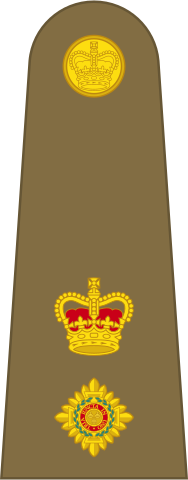
Miller's later career took him to India in 1868-1869, St Helena in 1871-1872 and the Cape Colony from 1872. He became a substantive lieutenant colonel in August 1873, having previously held the brevet rank. He was still serving when he died at the Castle, Cape Town, on 17 February 1874, aged forty-two.
Originally buried at St Peter's Cemetery in Cape Town, he was later commemorated in its ossuary memorial garden. His surviving awards were acquired for the Ashcroft collection, retaining evidence of both the defence of his battery and his wider Crimean service.
Become the named supporter for this profile and edit the tribute biography and portrait (Owner account required). Proceeds help keep the archive online.
$25 USD / year — annual sponsorship renewal. Keeps the page online and, where enabled, the family anniversary remembrance emails active.