★
Loading archive…
Loading archive…
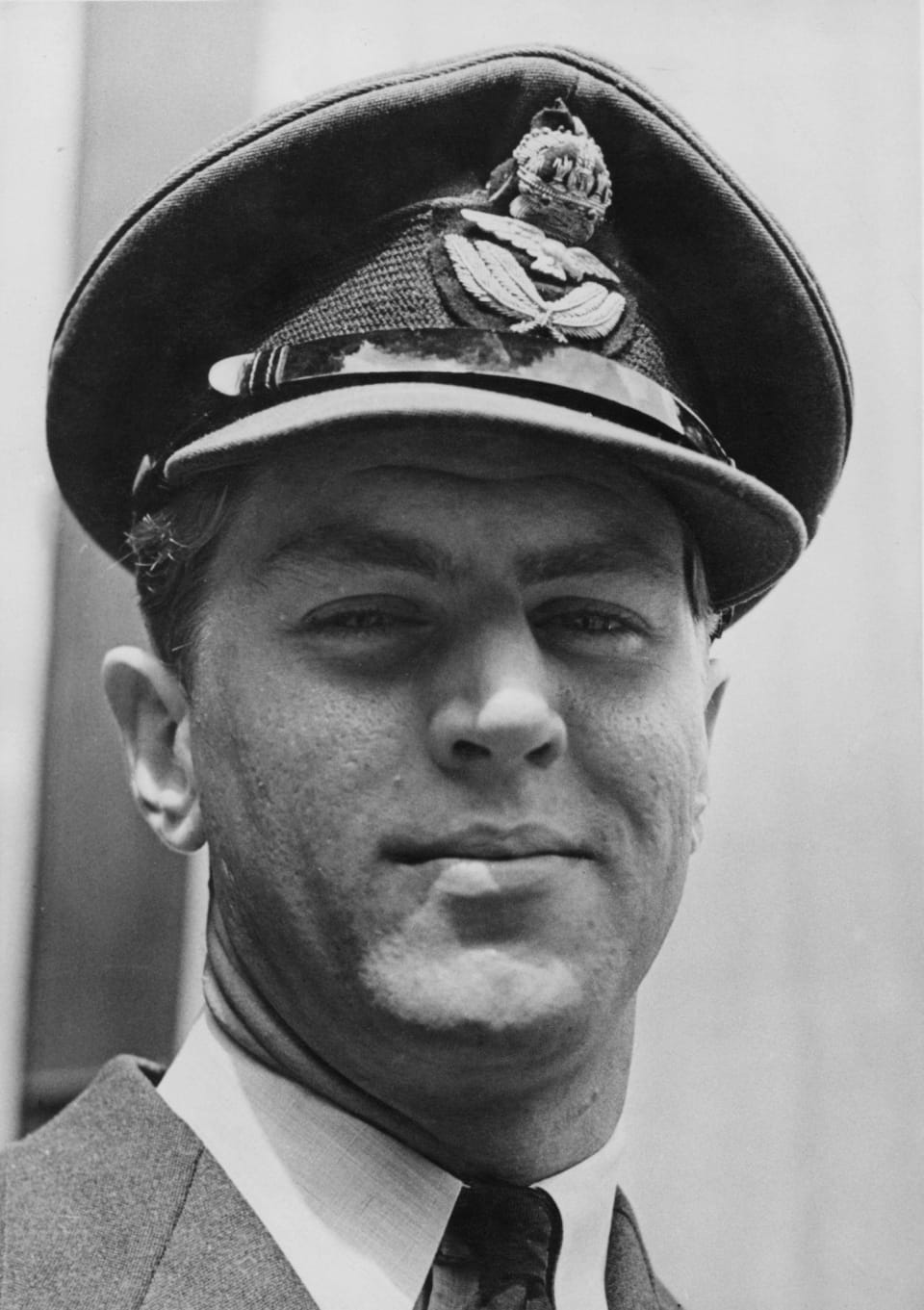
Flight Lieutenant (RCAF), Royal Canadian Air Force
Support & adopt this hero ↓
What does it take to become Canada’s highest-scoring fighter ace? For George Frederick “Buzz” Beurling, it took extraordinary eyesight, relentless determination and a mastery of aerial marksmanship that few pilots could match. Born in Verdun, Quebec, on 6 December 1921, Beurling became one of the most celebrated and controversial Canadian fighter pilots of the Second World War. Allied publicists called him the “Falcon of Malta” and the “Knight of Malta,” while the pilots of No. 249 Squadron knew him by a very different nickname, “Screwball.”
Beurling’s path to combat was anything but easy. The Royal Canadian Air Force initially rejected his application, but he refused to abandon his ambition to fly. He crossed the Atlantic in search of an opportunity and was eventually accepted for pilot training by the Royal Air Force. After earning his wings as a sergeant pilot in 1941, he began flying fighter operations over the English Channel before being posted to No. 249 Squadron on Malta in June 1942. There, in the cockpit of a Supermarine Spitfire, he would write his name into Canadian aviation history.
Malta was under relentless attack from German and Italian aircraft, and every interception placed its defenders against experienced pilots and often superior numbers. Beurling thrived in that unforgiving environment. His exceptional vision allowed him to detect enemy aircraft before many other pilots could see them, while his understanding of angles, range and deflection shooting made his attacks devastatingly accurate. By the end of his Malta operations, his official total had risen to 28 victories. He ultimately completed his wartime career with 31½ confirmed aerial victories, making him the most successful Canadian fighter ace of the Second World War.
His first major recognition came with the Distinguished Flying Medal, announced in The London Gazette on 28 July 1942. The official citation praised his great skill and courage in the face of the enemy. It described how, during one day in July, he destroyed one fighter escorting a formation of Junkers Ju 88 bombers and later engaged ten enemy fighters, shooting two of them into the sea. Those victories brought his confirmed total to eight.
Beurling’s score continued to rise with astonishing speed. A Bar to the Distinguished Flying Medal, representing a second award, was announced on 4 September 1942. The citation recorded that he had destroyed nine more enemy aircraft since receiving the original medal, raising his total to 17. On one remarkable day, he destroyed four enemy fighters and damaged another two. The citation concluded that his courage and determination had become an inspiration to everyone around him.
His next distinction was the Distinguished Flying Cross, announced on 16 October 1942. Since receiving the Bar to his Distinguished Flying Medal, Beurling had destroyed another three hostile aircraft, bringing his total to 20. The citation highlighted an engagement in which he and another pilot fought four enemy fighters, with Beurling destroying two. It described him as a relentless fighter whose determination and will to win had earned the admiration of his colleagues.
The climax of Beurling’s Malta career came in October 1942. On 13 October, he destroyed a Junkers Ju 88 and two Messerschmitt Bf 109 fighters during a single sortie. The following day, he attacked enemy bombers head-on and destroyed one before seeing his leader under attack. Although wounded, Beurling shot down the attacking fighter. He then climbed again and destroyed another enemy aircraft, even as his own Spitfire was struck repeatedly. With his aircraft critically damaged, he was forced to abandon it and descend into the sea, where he was rescued. These actions brought his total to 28 and resulted in the award of the Distinguished Service Order, announced on 3 November 1942. The official citation concluded that his “skill and daring are unexcelled.”
After recovering from his wounds, Beurling returned to Canada as a nationally celebrated war hero and took part in efforts supporting the sale of war bonds. He later transferred from the Royal Air Force to the Royal Canadian Air Force and returned to operational flying in Europe. His personality did not always fit comfortably within the discipline and teamwork demanded by military service, but his ability in aerial combat was never in doubt. By the time his wartime service ended in 1944, his record stood at 31½ confirmed victories.
Beurling’s search for the freedom and danger of flight did not end with the Second World War. In 1948, he agreed to fly for the emerging Israeli air arm. On 20 May 1948, before he could enter combat, he was killed when the Noorduyn Norseman transport aircraft he was flying crashed at Rome’s Urbe Airport. He was only 26 years old. His remains were later reinterred in Israel with military honours.
George Frederick “Buzz” Beurling remains one of the most compelling figures in Canadian military aviation history. He was gifted, difficult, fearless and intensely independent. Above Malta, however, those qualities combined to produce a fighter pilot of extraordinary effectiveness. His official honours, DSO, DFC, DFM and Bar, preserve the story told by his award citations: a Canadian airman whose courage, marksmanship and determination made him the highest-scoring Canadian fighter ace of the Second World War.
Become the named supporter for this profile and edit the tribute biography and portrait (Owner account required). Proceeds help keep the archive online.
$25 USD / year — annual sponsorship renewal. Keeps the page online and, where enabled, the family anniversary remembrance emails active.