★
Loading archive…
Loading archive…
He carried the burning bomb through smoke and saved the crew
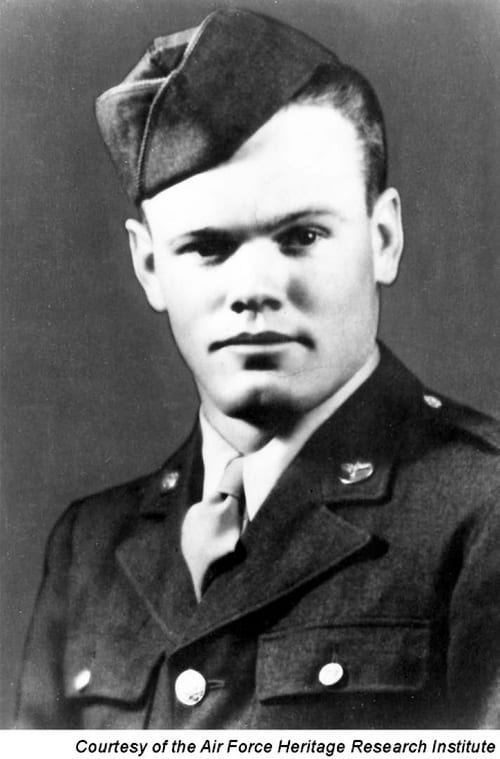
Henry Eugene Erwin was born in Alabama in May 1921. His father died while he was a child, and Erwin worked to help support the family. He entered Army service in July 1942. After unsuccessful pilot training he qualified as a radio operator and mechanic, completing further technical instruction before joining the B-29 force in the Pacific early in 1945.
Erwin flew against Japan and earned two Air Medals. On 12 April 1945, during a mission toward Koriyama, he was responsible for dropping smoke markers from the formation's lead aircraft. A phosphorus device malfunctioned in the chute and burst back into the cabin. The burning material blinded him and filled the aircraft with smoke, obscuring the pilot's view as the bomber lost height.
Erwin picked up the device and felt his way toward the cockpit. Obstructed by a navigator's table, he held the burning bomb against his body while lifting it. He reached the co-pilot's window and threw the device out before collapsing in flames. With visibility restored, the pilot recovered the aircraft close to the sea. The crew survived.
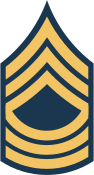
Believing Erwin might die, commanders rushed approval and delivery of the Medal of Honor. It was presented at his hospital bedside a week after the incident. He survived extensive burns and repeated reconstructive operations. Promoted master sergeant in October 1945, he was discharged from hospital and military service in October 1947.
Erwin returned to Alabama and worked for the Veterans Administration for 37 years, helping other veterans with their benefits and recovery. He and his wife Betty raised a family. He died on 16 January 2002, aged 80, after a civilian life devoted in large part to fellow patients and veterans.
Official Medal of Honor citation
He was the radio operator of a B-29 airplane leading a group formation to attack Koriyama, Japan. He was charged with the additional duty of dropping phosphorus smoke bombs to aid in assembling the group when the launching point was reached. Upon entering the assembly area, aircraft fire and enemy fighter opposition was encountered. Among the phosphorus bombs launched by S/Sgt. Erwin, one proved faulty, exploding in the launching chute, and shot back into the interior of the aircraft, striking him in the face. The burning phosphorus obliterated his nose and completely blinded him. Smoke filled the plane, obscuring the vision of the pilot. S/Sgt. Erwin realized that the aircraft and crew would be lost if the burning bomb remained in the plane. Without regard for his own safety, he picked it up and feeling his way, instinctively, crawled around the gun turret and headed for the copilot's window. He found the navigator's table obstructing his passage. Grasping the burning bomb between his forearm and body, he unleashed the spring lock and raised the table. Struggling through the narrow passage he stumbled forward into the smoke-filled pilot's compartment. Groping with his burning hands, he located the window and threw the bomb out. Completely aflame, he fell back upon the floor. The smoke cleared, the pilot, at 300 feet, pulled the plane out of its dive. S/Sgt. Erwin's gallantry and heroism above and beyond the call of duty saved the lives of his comrades.
Become the named supporter for this profile and edit the tribute biography and portrait (Owner account required). Proceeds help keep the archive online.
$25 USD / year — annual sponsorship renewal. Keeps the page online and, where enabled, the family anniversary remembrance emails active.