★
Loading archive…
Loading archive…
He Joined the Forlorn Hope—and Lived to Tell It
Henry F. Frizzell was born in 1839 in Madison County, Missouri. When the American Civil War began, he entered Union service from the Pilot Knob area of Missouri and became a soldier in Company B of the 6th Missouri Infantry. He entered the Army as a Private and would eventually attain the rank of Corporal, but the event that permanently defined his military career came while he was still serving as a Private.
By 1863, the 6th Missouri Infantry was operating in the campaign against Vicksburg, Mississippi. Vicksburg was one of the Confederacy’s most important strongholds because its position above the Mississippi River helped control movement along that vital waterway. Union forces under Major General Ulysses S. Grant had already fought their way through Mississippi and surrounded the city, but Confederate fortifications remained extremely difficult to penetrate.
On May 22, 1863, Union commanders launched a major assault against the Vicksburg defenses. Before the attack, volunteers were requested for an extraordinarily dangerous storming party. These men would move ahead of the main assault force, directly toward heavily defended Confederate positions. The mission became associated with the famous “volunteer storming party,” often remembered as a Forlorn Hope because the soldiers who volunteered faced an exceptionally high probability of being killed or wounded.
Private Frizzell volunteered for that assault. Moving forward with the storming party meant advancing directly into concentrated Confederate rifle and artillery fire while exposed in front of the larger attacking force. The men had to approach defensive obstacles and fortified positions while the defenders fired from protected works above and ahead of them. Frizzell remained with the assault despite the extreme danger.
The attack of May 22 failed to break the Confederate defenses, and the Union assaulting forces suffered severe casualties. Yet the courage displayed by the volunteers became one of the most remembered episodes of the Vicksburg Campaign. Frizzell’s conduct during that charge was officially summarized as gallantry in the charge of the volunteer storming party. Those few words represented an action in which he had willingly placed himself among the first soldiers moving directly against a heavily fortified enemy position.
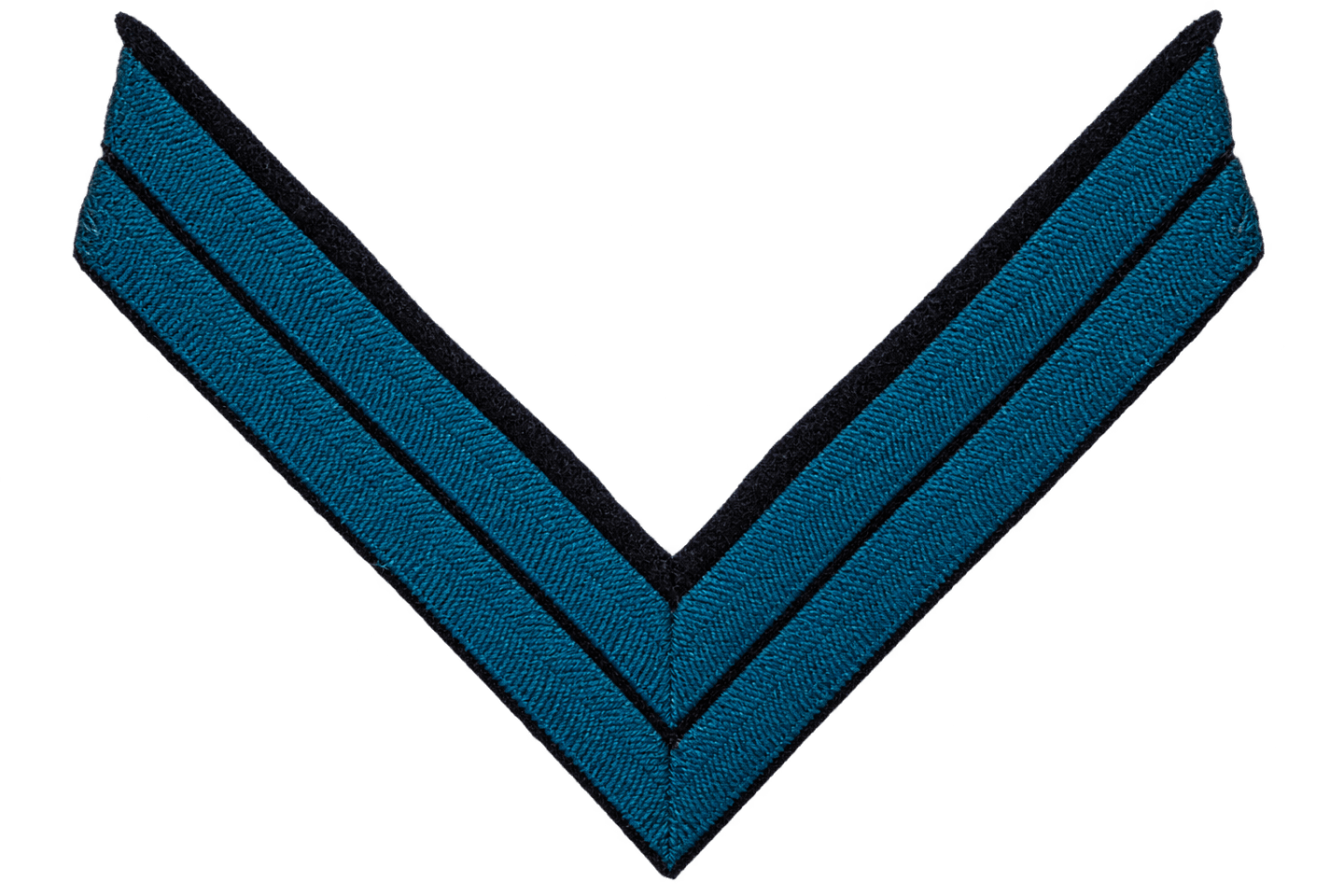
Frizzell survived the Vicksburg assault and continued his Civil War service. His career did not end with the action that eventually earned him the nation’s highest military decoration. He remained associated with the 6th Missouri Infantry during the continuing campaigns of the war and later reached the rank of Corporal, which became his highest verified military rank.
The recognition for his Vicksburg heroism did not come immediately. More than three decades passed between the assault and the formal award. On July 30, 1894, Henry F. Frizzell was awarded the Medal of Honor for his actions at Vicksburg on May 22, 1863. He was still alive when the award was made, so the decoration was not posthumous.
For his database record, the verified decoration is Medal of Honor 1862–1896 Army — 1894, with no additional device or clasp. The historical version is important because Frizzell’s heroic action occurred in 1863, but his medal was issued in 1894, during the earlier Army Medal of Honor design period. The action date and the award date therefore remain separate parts of his story: his courage belonged to the battlefield at Vicksburg, while national recognition arrived more than thirty years later.
The Medal of Honor was the only decoration verified for inclusion in his final medal record. No additional star, clasp, bar, oak leaf cluster, or other device has been established for his award. His Medal of Honor therefore stands alone as the formal recognition of the extraordinary risk he accepted during the assault on Vicksburg.
After the Civil War, Frizzell returned to civilian life in Missouri. Like many Union veterans, he carried the experiences of the war into a country that was rapidly rebuilding and changing. Decades later, the Medal of Honor ensured that the actions of the young Private who had volunteered for the storming party would not disappear from the historical record.
Henry F. Frizzell died on May 25, 1904, in St. Louis, Missouri. He was buried at Mount Lebanon Cemetery in the St. Louis area. His military legacy, however, remained closely connected to Madison County, Missouri, the place of his birth and the community from which he had entered military service.
Frizzell is remembered above all for his decision on May 22, 1863. He was not ordered into history because of high command, senior rank, or a long list of decorations. He became part of Medal of Honor history because, as a Private, he volunteered to move at the front of an assault against one of the strongest Confederate defensive positions at Vicksburg. More than thirty years later, the United States formally recognized that courage with the Medal of Honor, preserving the story of a Missouri infantryman who stepped forward when the mission itself seemed almost impossible.
Become the named supporter for this profile and edit the tribute biography and portrait (Owner account required). Proceeds help keep the archive online.
$25 USD / year — annual sponsorship renewal. Keeps the page online and, where enabled, the family anniversary remembrance emails active.
