★
Loading archive…
Loading archive…
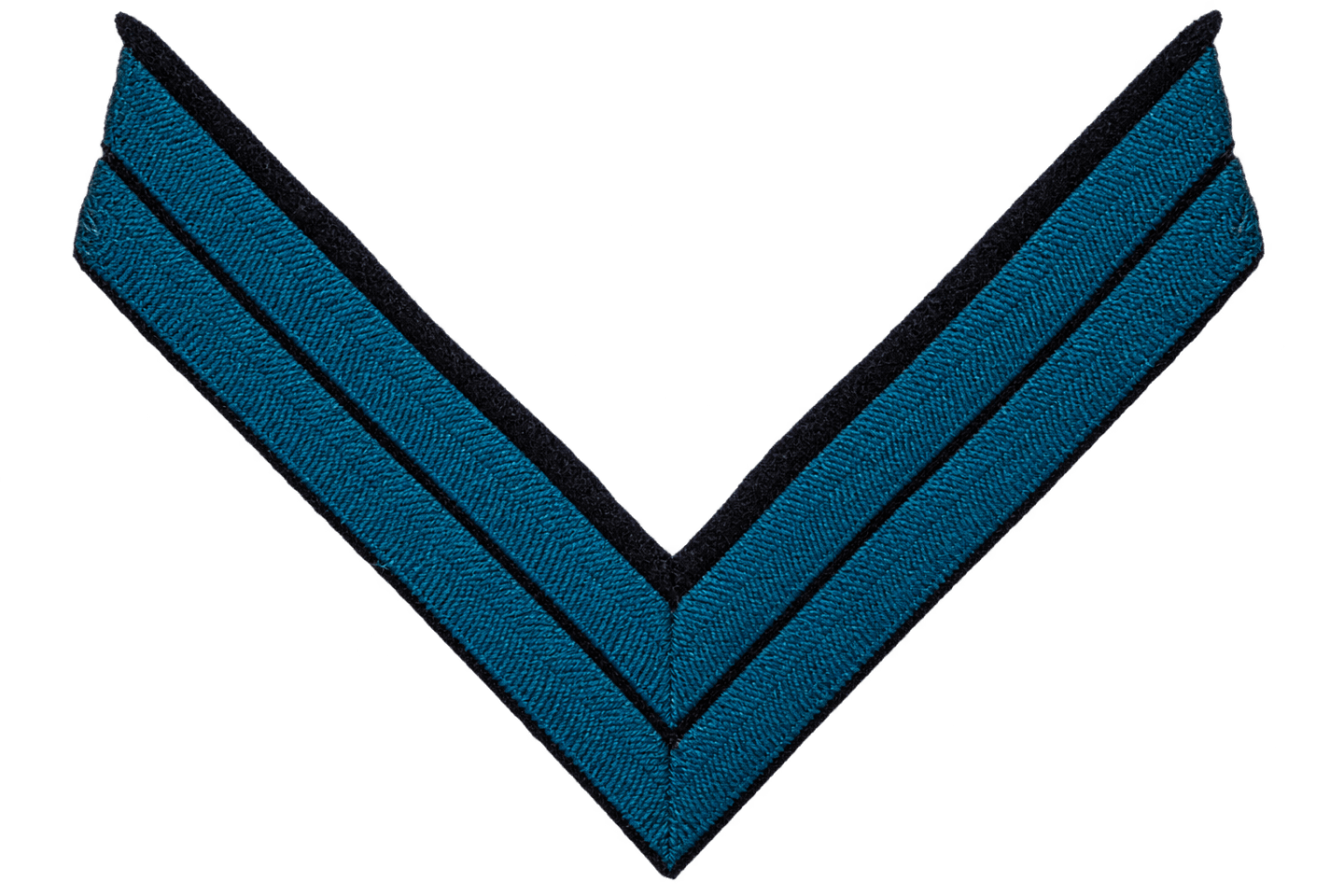
He Led a Burning Party Under Deadly Fire
John A. Falconer was born in 1844 in Washtenaw County, Michigan. During the American Civil War, he entered Union service and became a soldier in Company A of the 17th Michigan Infantry. His wartime career eventually brought him to Knoxville, Tennessee, where a dangerous mission under enemy fire earned him the Medal of Honor.
By November 1863, Falconer held the rank of Corporal. His regiment was serving with Union forces defending Knoxville during a Confederate campaign led by Lieutenant General James Longstreet. The city had become strategically important because of its position in eastern Tennessee, and Union troops had constructed a system of defensive works around it.
Among the strongest Union positions was Fort Sanders, located northwest of Knoxville. Confederate forces occupied positions close enough to threaten the defenders, and sharpshooters used buildings and other available cover to fire on Union soldiers working around the fortifications.
On November 20, 1863, Falconer was given an especially hazardous assignment.
He led what was described as a burning party against a building being used by Confederate sharpshooters. The structure provided the enemy with useful cover from which they could fire toward the Union defenses. Removing that position meant approaching the building while exposed to hostile fire and setting it ablaze.
Falconer led the party forward.
The mission required the men to leave the relative protection of the Union works and move into an area where Confederate soldiers could directly target them. Falconer nevertheless carried out the assignment, helping destroy the building and deny the sharpshooters their protected firing position.
His actions demonstrated both courage and leadership. Although he was only a Corporal at the time, Falconer took responsibility for directing soldiers during an operation in which the dangers were obvious before the mission began.
The destruction of the building formed part of the broader struggle for control of the ground surrounding Knoxville. Union forces were under pressure from Longstreet's army, and maintaining strong defensive positions was essential. Enemy sharpshooters operating from nearby structures could interfere with movement around the defenses, threaten exposed soldiers, and complicate preparations for a larger Confederate assault.
By eliminating one such position, Falconer and his men helped improve the immediate security of the Union line.
Nine days later, on November 29, Confederate forces launched their major assault against Fort Sanders. The attack was intense but short-lived. The fort's defensive construction and determined Union resistance made it extremely difficult to storm, and Confederate troops suffered severe losses without capturing the position.
The failure at Fort Sanders contributed to the collapse of the Confederate effort against Knoxville. Longstreet eventually withdrew, leaving the city securely in Union hands.
Falconer's own Medal of Honor action had occurred before that decisive assault, during the dangerous preliminary fighting around the defenses. His recognized achievement was not the capture of a flag or the rescue of a wounded comrade, but the successful leadership of a small party assigned to destroy an enemy-held position while exposed to fire.
His courage was formally recognized many years after the Civil War.
On July 27, 1896, John A. Falconer received the Medal of Honor for his actions at Knoxville on November 20, 1863. More than three decades had passed since the event, but his wartime conduct remained significant enough to receive the nation's highest military decoration.
The delay between the action and the award was not unusual for Civil War recipients. Numerous soldiers received the Medal of Honor years or even decades after the engagements in which they had distinguished themselves, as records were reviewed and recommendations moved through the military system.
Falconer's Medal of Honor therefore commemorated a specific act from his service as a Corporal. It should be distinguished from the later rank he reached during his military career. Surviving service records indicate that Falconer eventually advanced to Sergeant, his highest verified rank.
That progression reflects a broader military career beyond the single incident for which he became famous. Yet it was his conduct as a Corporal outside Knoxville that permanently entered the official record of American military valor.
His story also illustrates the variety of actions that could require exceptional courage during the Civil War. Heroism did not occur only during massive charges or famous battles. Soldiers were frequently ordered to perform smaller tactical missions that exposed them to immediate danger. Destroying a structure occupied by enemy sharpshooters was one such task.
For Falconer, the mission demanded movement toward an enemy position rather than away from it. He had to lead other soldiers into danger, complete the destruction of the building, and help remove a threat to the Union defenses.
He survived the Civil War and lived for several decades afterward. During those years, the conflict gradually passed from recent memory into national history, while veterans' wartime experiences were increasingly documented and commemorated.
Falconer's Medal of Honor, presented in 1896, ensured that his role in the Knoxville operations would not be forgotten.
John A. Falconer died on April 1, 1900, in Warrensburg, Missouri. He was buried in Sunset Hill Cemetery in Warrensburg.
His legacy remains tied to November 20, 1863. During the dangerous struggle surrounding Knoxville, Corporal Falconer led a burning party against a structure sheltering Confederate sharpshooters. He carried out the mission under hostile fire, helped eliminate a threat to the Union defenses, and demonstrated the courage and leadership that would eventually earn him the Medal of Honor.
Become the named supporter for this profile and edit the tribute biography and portrait (Owner account required). Proceeds help keep the archive online.
$25 USD / year — annual sponsorship renewal. Keeps the page online and, where enabled, the family anniversary remembrance emails active.