★
Loading archive…
Loading archive…

Captain (posthumous), British Army
Support & adopt this hero ↓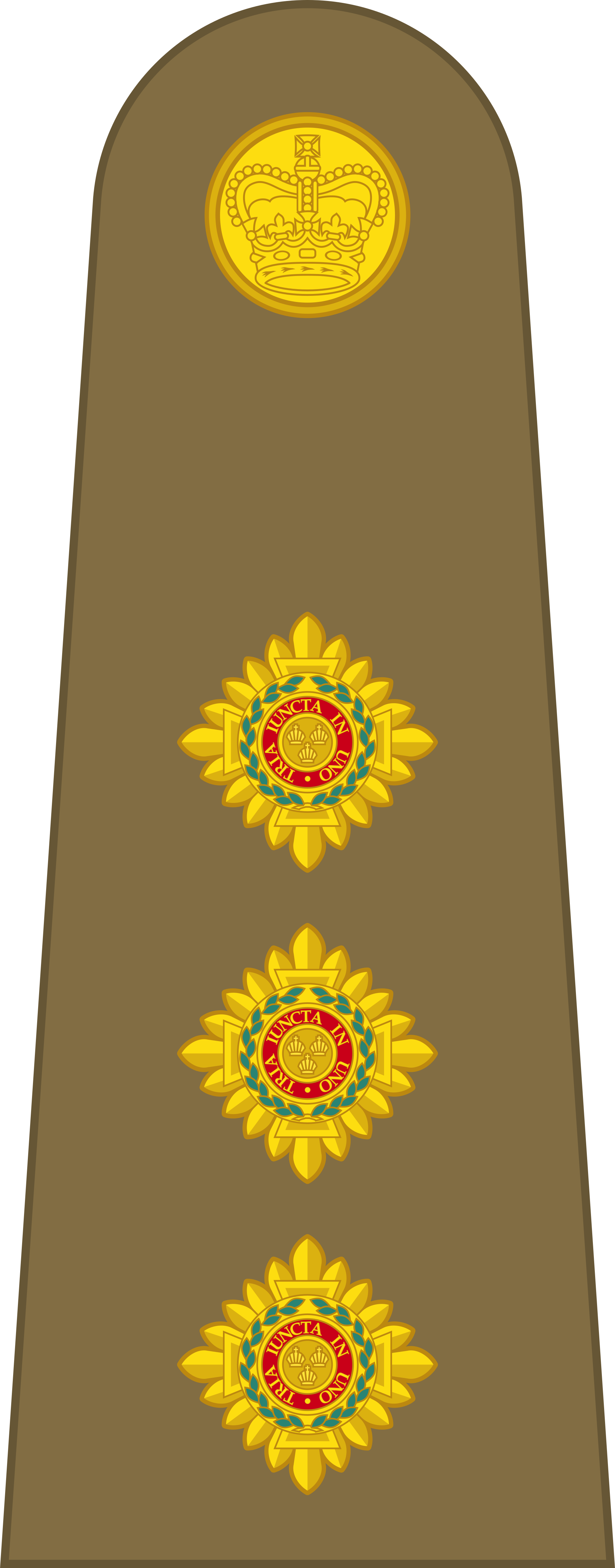
He led the bridge defence despite wounds and oncoming tanks.
John Hollington Grayburn was born at Manora, near Karachi, on 30 January 1918. He attended Sherborne School, where he belonged to the cadet force, and later worked in banking. Commissioned into the Oxfordshire and Buckinghamshire Light Infantry in September 1940, he served with its airborne battalion before transferring to the Parachute Regiment in 1943.
By September 1944 Grayburn commanded a platoon in A Company, 2nd Parachute Battalion. He landed in the Netherlands during Operation Market Garden and accompanied the force that reached the northern end of the Arnhem road bridge. The isolated troops then faced repeated attacks while the remainder of the airborne division struggled to reach them.
Between 17 and 20 September, Grayburn repeatedly reorganized his men and led local counterattacks around the bridge. Wounded in the shoulder and later in the back, he continued directing the defence. His platoon fought from damaged buildings as ammunition and medical supplies dwindled.
On 20 September he helped organize the removal of wounded men and a withdrawal from exposed positions. German armour threatened the remaining defenders. Grayburn stood in the open to direct his men towards cover and was killed by tank fire. His Victoria Cross citation emphasized his leadership throughout the four-day battle, rather than a single isolated act.
He was twenty-six and left his wife, Marcelle, and their son, John. His remains were subsequently buried at Arnhem Oosterbeek War Cemetery. The posthumous Victoria Cross preserved the story of a platoon commander who continued leading after repeated wounds and stayed exposed while his surviving men withdrew.
Official Victoria Cross citation
For supreme courage, leadership and devotion to duty. Lieutenant Grayburn was a platoon commander of the Parachute Battalion which was dropped on 17th September, 1944, with the task of seizing and holding the bridge over the Rhine at Arnhem. The North end of the bridge was captured and, early in the night, Lieutenant Grayburn was ordered to assault and capture the Southern end with his platoon. He led his platoon on to the bridge and began the attack with the utmost determination, but the platoon was met by a hail of fire from two 20 mm. quick firing guns, and from the machine guns of an armoured car. Almost at once Lieutenant Grayburn was shot through the shoulder. Although there was no cover on the bridge, and in spite of his wound, Lieutenant Grayburn continued to press forward with the greatest dash and bravery until casualties became so heavy that he was ordered to withdraw. He directed the withdrawal from the bridge personally and was himself the last man to come off the embankment into comparative cover. Later, his platoon was ordered to occupy a house which was vital to the defence of the bridge and he personally organised the occupation of the house. Throughout the next day and night the enemy made ceaseless attacks on the house, using not only infantry with mortars and machine guns but also tanks and self-propelled guns. The house was very exposed and difficult to defend and the fact that it did not fall to the enemy must be attributed to Lieutenant Grayburn's great courage and inspiring leadership. He constantly exposed himself to the enemy's fire while moving among, and encouraging, his platoon, and seemed completely oblivious to danger. On 19th September, 1944, the enemy renewed his attacks, which increased in intensity, as the house was vital to the defence of the bridge. All attacks were repulsed, due to Lieutenant Grayburn's valour and skill in organising and encouraging his men, until eventually the house was set on fire and had to be evacuated. Lieutenant Grayburn then took command of elements of all arms, including the remainder of his own company, and re-formed them into a fighting force. He spent the night organising a defensive position to cover the approaches to the bridge. On 20th September, 1944, he extended his defence by a series of fighting patrols which prevented the enemy gaining access to the houses in the vicinity, the occupation of which would have prejudiced the defence of the bridge. This forced the enemy to bring up tanks which brought Lieutenant Grayburn's positions under such heavy fire that he was forced to withdraw to an area farther North. The enemy now attempted to lay demolition charges under the bridge and the situation was critical. Realising this, Lieutenant Grayburn organised and led a fighting patrol which drove the enemy off temporarily, and gave time for the fuzes to be removed. He was again wounded, this time in the back, but refused to be evacuated. Finally, an enemy tank, against which Lieutenant Grayburn had no defence, approached so close to his position that it became untenable. He then stood up in full view of the tank and personally directed the withdrawal of his men to the main defensive perimeter to which he had been ordered. He was killed that night. From the evening of September 17th until the night of September 20th, 1944, a period of over three days, Lieutenant Grayburn led his men with supreme gallantry and determination. Although in pain and weakened by his wounds, short of food and without sleep, his courage never flagged. There is no doubt that, had it not been for this officer's inspiring leadership and personal bravery, the Arnhem bridge could never have been held for this time.
The London Gazette, issue36907, Supplement dated25January1945, pages561-562.
Become the named supporter for this profile and edit the tribute biography and portrait (Owner account required). Proceeds help keep the archive online.
$25 USD / year — annual sponsorship renewal. Keeps the page online and, where enabled, the family anniversary remembrance emails active.