★
Loading archive…
Loading archive…
He forced a large enemy force to surrender under close fire.
John Schofield was born in Blackburn, Lancashire, on 4 March 1892. He attended local school and Arnold House School in Blackpool, then worked in his father's wholesale fish and game business. He was active in local sport. His younger brother Fred served in the Royal Field Artillery and was killed on the Somme in 1916.
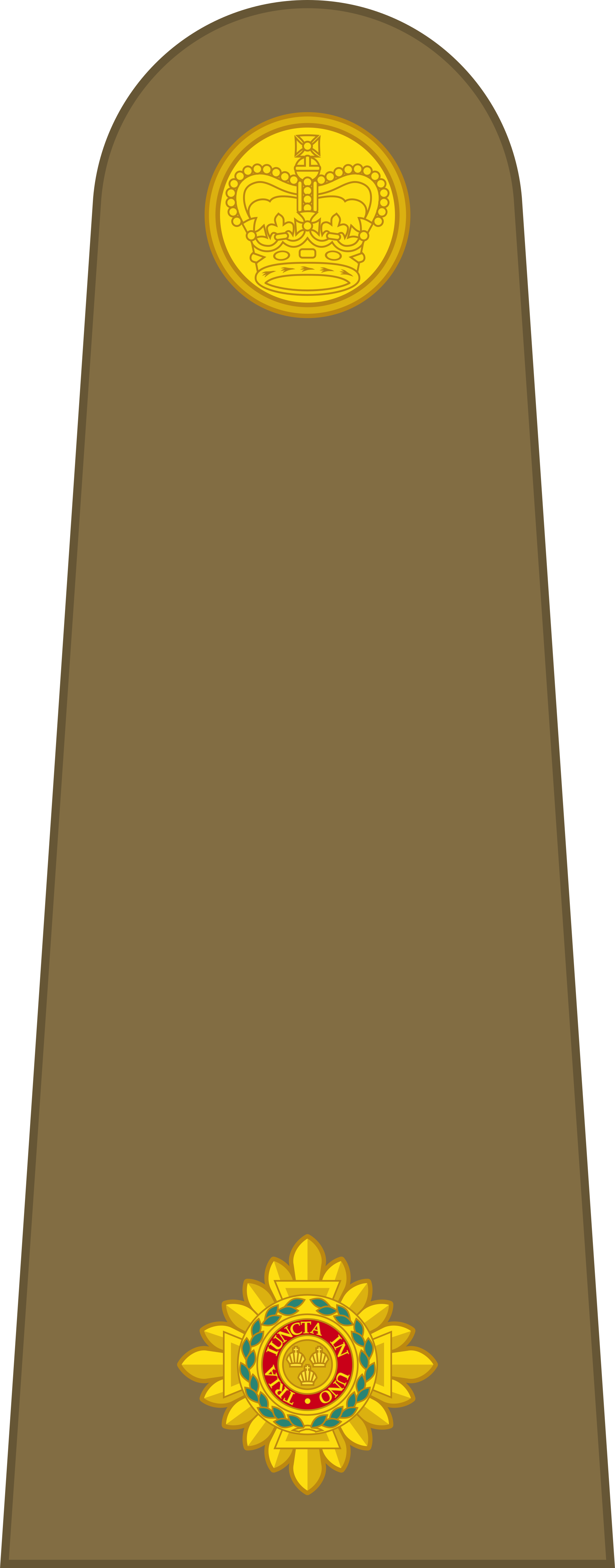
Schofield initially encountered difficulty joining the Army because of defective eyesight. After earlier rejections he was accepted for service, and in 1917 he received a temporary commission in the Lancashire Fusiliers. He reached France with the 2/5th Battalion that November. The battalion formed part of the 55th Division and moved into the Givenchy sector in March 1918.
On 9 April, during the German offensive on the Lys, he led nine men against an enemy strongpoint. A much larger force attacked his small party, but his handling of their weapons and positions resulted in twenty prisoners being taken. After reorganizing his men he advanced towards the front line and encountered another body of German troops.
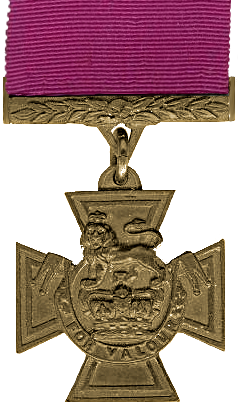
Under point-blank machine-gun fire he climbed onto the parapet and compelled this second force to surrender. The resulting capture included 123 men and several officers. He was killed only minutes later. The Victoria Cross was awarded posthumously for the leadership and personal example that enabled a very small party to overcome such substantial opposition.
Schofield was twenty-six and engaged to Ethel Hargreaves when he died. He was buried in Vieille-Chapelle New Military Cemetery at Lacouture, France, near fellow Victoria Cross recipient Joseph Henry Collin, who had been killed on the same day. His medals later entered the care of the Lancashire Fusiliers Museum in Bury.
Official Victoria Cross citation
For most conspicuous bravery and devotion to duty in operations. 2nd Lt. Schofield led a party of nine men against a strong point which was reported strongly held by the enemy, and was attacked by about 100 of the enemy with bombs. He disposed his men so skilfully, and made such good use of rifle and Lewis gun fire, that the enemy took cover in dug-outs. This officer himself then held up and captured a party of twenty. With the help of other parties this position was then cleared of the enemy, who were all killed or captured. He then collected the remainder of his men, made his party up to ten, and proceeded towards the front line, previously informing his Commanding Officer as to the position, and that he was proceeding to retake the front line. He met large numbers of the enemy in a communication trench in front of him and in a drain on his right and left. His party opened rapid rifle fire, and he climbed out on to the parapet under point blank machine-gun fire, and, by his fearless demeanour and bravery, forced the enemy to surrender. As a result 123 of the enemy, including several officers, were captured by 2nd Lt. Schofield and his party. This very gallant officer was killed a few minutes later.
Sixth Supplement to The London Gazette of 25 June 1918. 28 June 1918, Numb. 30770, p. 7618.
Become the named supporter for this profile and edit the tribute biography and portrait (Owner account required). Proceeds help keep the archive online.
$25 USD / year — annual sponsorship renewal. Keeps the page online and, where enabled, the family anniversary remembrance emails active.