★
Loading archive…
Loading archive…
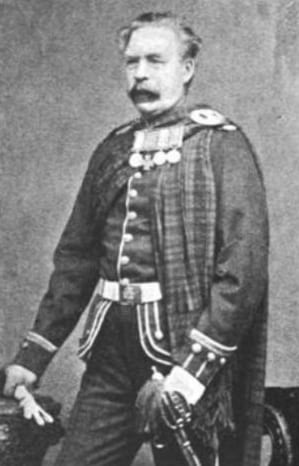
Returning towards the fort, he carried wounded men to safety
John Simpson was born at Edinburgh on 29 January 1826. The son of a grocer, he worked as a baker before enlisting in the 42nd Regiment of Foot in June 1843. He advanced through the enlisted ranks, becoming a colour sergeant and then quartermaster sergeant.
He served in the Crimean War, including the operations around Sevastopol, before the regiment went to India during the uprising of 1857–58. On 15 April 1858, during the attack on Fort Ruiya, wounded men lay close to the defended position.
Simpson volunteered to go forward under heavy fire. He brought in Lieutenant Douglas, who had been seriously wounded, and then returned to recover a wounded private. The successive journeys required him to approach the fort again after he had already reached safety with the officer.
His Victoria Cross recognised these deliberate efforts to recover casualties from exposed ground. Brigadier General Sir Robert Walpole presented the cross at Bareilly in April 1860. Simpson had meanwhile become the regiment's quartermaster, entering commissioned service in 1859.
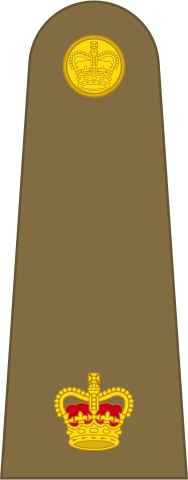
He continued his military career in quartermaster appointments and served during the Ashanti expedition of 1873–74. Later appointments connected him with the Royal Perth Militia and the Black Watch's militia battalion. He became an honorary captain in 1881 and retired with the honorary rank of major in 1883.
Simpson had married Lydia White at Weymouth in 1856. He died at St Martin's, Perthshire, on 27 October 1884 and was buried in Balbeggie churchyard. His Victoria Cross was subsequently preserved in Los Angeles, far from the Scottish communities in which his life began and ended.
Become the named supporter for this profile and edit the tribute biography and portrait (Owner account required). Proceeds help keep the archive online.
$25 USD / year — annual sponsorship renewal. Keeps the page online and, where enabled, the family anniversary remembrance emails active.