★
Loading archive…
Loading archive…
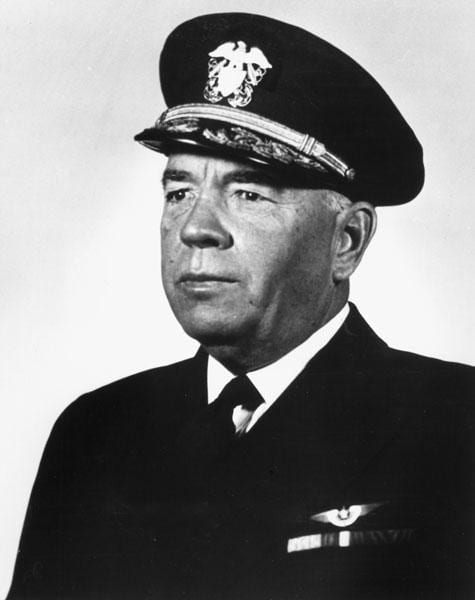
Admiral, U.S. Navy
Support & adopt this hero ↓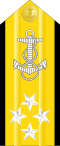
Under heavy enemy fire at Veracruz, a young American naval officer demonstrated the courage that would earn him the Medal of Honor. Three decades later, he would command one of the most powerful fleets in the world and help secure the Atlantic against Nazi submarines. Admiral Jonas Howard Ingram was more than a decorated war hero. He was a naval leader whose career spanned three conflicts and helped shape Allied victory in World War II.
Born in Jeffersonville, Indiana, on 15 October, Ingram graduated from the United States Naval Academy in 1907. A gifted athlete and skilled gunnery officer, he established an early reputation for discipline and technical excellence. His defining moment came on 22 April 1914, during the American occupation of Veracruz, Mexico. Serving as a lieutenant junior grade with the USS Arkansas battalion, Ingram directed artillery and machine guns under combat conditions. His Medal of Honor citation praised his "skillful and efficient handling" of these weapons and his distinguished conduct during the fighting. It was an extraordinary beginning to a career that would ultimately reach the Navy's highest operational command.
During World War I, Ingram served as Flag Lieutenant on the staff of Rear Admiral Hugh Rodman, whose American battleships operated alongside the British Grand Fleet as the Sixth Battle Squadron. His Navy Cross citation recognized his distinguished professional service in this strategically important assignment. Working within the combined Allied fleet gave him experience in multinational naval operations that would prove invaluable during another global war.
When World War II threatened the vital shipping routes of the Atlantic, Ingram was entrusted with an immense responsibility. As commander of Task Force Three, Task Force Twenty-Three, and eventually the United States Fourth Fleet and South Atlantic Force, he confronted German submarines, vulnerable supply lines, inadequate facilities, and complex diplomatic challenges. His first Navy Distinguished Service Medal citation recognized his leadership from July 1941 to January 1944, particularly his development of anti-submarine defenses, organization of convoy protection, establishment of naval and air bases, and successful combined operations against enemy vessels.
But his greatest responsibilities were still ahead. His second Distinguished Service Medal, awarded for January to November 1944, praised his initiative, determined leadership, and diplomatic skill in sustaining the South Atlantic campaign despite limited resources. Working closely with Brazilian forces, Ingram helped protect Allied commerce and secure crucial maritime routes. Brazil recognized his contributions through prestigious honours, including the Order of the Southern Cross, Order of Naval Merit, and Medalha de Serviços Relevantes.
In November 1944, Ingram became Commander in Chief of the United States Atlantic Fleet and attained the four-star rank of Admiral. His third Navy Distinguished Service Medal, covering November 1944 to September 1945, recognized his direction of the fleet during the final stages of the war. The citation particularly commended his role in moving American troops and supplies across the Atlantic, combating the German submarine threat, developing naval training programs, and sustaining the logistical operations essential to Allied victory.
Ingram's wartime record also included the Purple Heart and campaign recognition spanning the Mexican Campaign, World War I, and World War II. Yet his greatest contribution cannot be measured by decorations alone. From directing weapons under fire at Veracruz to safeguarding the Atlantic lifelines of entire armies, he demonstrated how courage, strategic judgment, and international cooperation could change the course of war.
Admiral Jonas Howard Ingram retired from active naval service on 1 April 1947 and died in San Diego in September 1952. He was laid to rest at Arlington National Cemetery. His legacy continued when the United States Navy named the destroyer USS Jonas Ingram (DD-938) in his honour. His life remains a testament to a powerful principle of naval leadership: the courage to face danger matters, but the ability to protect thousands of others can shape history.
Become the named supporter for this profile and edit the tribute biography and portrait (Owner account required). Proceeds help keep the archive online.
$25 USD / year — annual sponsorship renewal. Keeps the page online and, where enabled, the family anniversary remembrance emails active.