★
Loading archive…
Loading archive…
Captain, U.S. Army
Support & adopt this hero ↓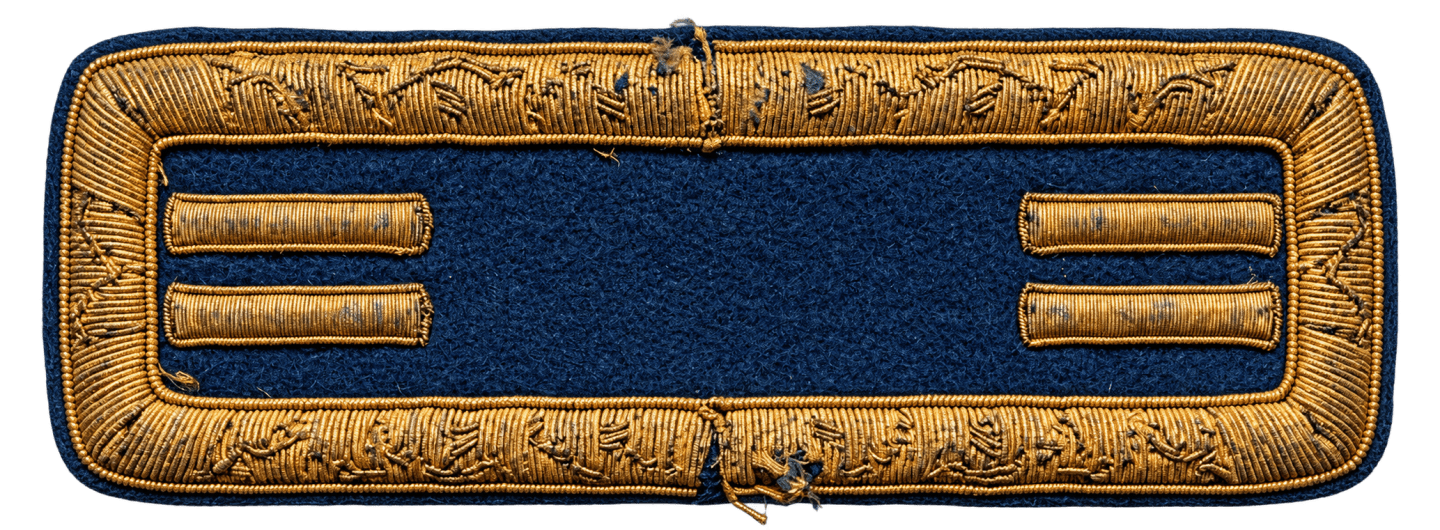
Captured a rebel flag in the chaotic climax of Gettysburg.
Morris Brown Jr. (August 1842 – June 22, 1864) was an American Civil War officer and posthumous Medal of Honor recipient who distinguished himself during the Battle of Gettysburg. Serving as a captain in Company A of the 126th New York Volunteer Infantry, he captured a Confederate battle flag during the fighting on July 3, 1863. Less than a year later, he was killed while leading his regiment near Petersburg, Virginia, at the age of twenty-one. His gallantry at Gettysburg was formally recognized with the Medal of Honor on March 6, 1869.
Brown was born in Hammondsport, Steuben County, New York, in August 1842, the youngest son of Morris Brown Sr. and Maria C. Brown. His father was an attorney who became involved in organizing local support for the Union during the Civil War. In 1855, the family moved to Penn Yan, New York, where Brown spent much of his youth.
In the autumn of 1860, Brown entered Hamilton College in Clinton, New York. He became a member of the Chi Psi fraternity and was pursuing his education when the Civil War interrupted his studies. During the summer of 1862, he left college to join the Union Army, enlisting in Company A of the newly organized 126th New York Volunteer Infantry.
The regiment entered federal service at Geneva, New York, on August 22, 1862. Brown began his military career as an orderly sergeant, also known as a first sergeant, under Captain Truman N. Burrill. Within days, the regiment departed for Maryland and Virginia, where its soldiers were assigned to the defenses around Harpers Ferry.
Brown's first military experience included the Confederate campaign against Harpers Ferry in September 1862. The 126th New York participated in the fighting around Maryland Heights before the Union garrison surrendered on September 15. Brown and his fellow soldiers became prisoners of war and were subsequently sent to Camp Douglas in Chicago, Illinois, while awaiting exchange.
Letters written to his family during this period described difficult camp conditions, shortages of food and clothing, and his frustration with the accusations of cowardice directed at the surrendered Union regiments. After his release, Brown returned to duty with his unit in Virginia.
His advancement through the ranks was rapid. He received promotion to first lieutenant in December 1862 and became captain of Company A on April 24, 1863. His correspondence from the following months described his work drilling the company and maintaining military discipline while the regiment was stationed near Centreville, Virginia.
In late June 1863, the 126th New York joined the Army of the Potomac as part of the Third Brigade, Third Division, II Corps, commanded by Major General Alexander Hays. The regiment marched north as Union forces moved to confront General Robert E. Lee's Confederate army during its invasion of Pennsylvania.
Brown arrived at Gettysburg with his regiment on July 2, 1863. That afternoon, the 126th New York participated in heavy fighting near Plum Run, where Union troops advanced against Confederate infantry and suffered substantial casualties. The brigade eventually withdrew from its exposed position and returned to the defensive line near Cemetery Ridge.
The following day, July 3, Confederate forces launched a major infantry assault against the Union center, an attack remembered as Pickett's Charge. Brown and his company were positioned with the 126th New York as the Confederate formations advanced across the open fields toward the Union defenses.
As the attacking Confederate troops came under heavy fire and their formations began to break, Brown led a small detachment of Company A against the enemy's exposed flank. His men advanced beyond the main Union position and intercepted retreating Confederate soldiers.
During the action, Brown captured a Confederate battle flag bearing inscriptions commemorating previous engagements, including Harpers Ferry. The flag's inscription was particularly notable because the 126th New York had been among the Union regiments surrendered there in September 1862.
Brown's detachment also brought Confederate prisoners back to the Union lines. Contemporary accounts differed over the number captured, but Brown's own correspondence confirmed that his small company returned with prisoners and the captured colors.
The captured flag became the defining achievement of his military service. Its recovery was documented in the 126th New York's regimental history and in letters written by Brown and his older brother, J. Smith Brown, who served as an officer in the same regiment.
Following Gettysburg, Captain Brown continued serving with the Army of the Potomac. His documented participation included the fighting at Auburn Ford and Bristoe Station in October 1863. Correspondence from this period described demanding marches, repeated engagements, and the responsibilities of maintaining his company's effectiveness despite continuing losses.
In the spring of 1864, Brown participated in Lieutenant General Ulysses S. Grant's Overland Campaign against General Lee's Army of Northern Virginia. He took part in the Battle of the Wilderness and the subsequent operations around the Po River and Spotsylvania Court House.
During the fighting at Spotsylvania in May 1864, Brown sustained an injury to his knee while advancing against Confederate fieldworks. Although the injury temporarily restricted his movement, he recovered sufficiently to continue his military duties.
His letters during the campaign reflected the growing physical and emotional strain of sustained combat. Unlike his earlier correspondence, which had frequently expressed eagerness for battle, his later writings acknowledged the danger of repeated engagements and the increasing losses among his fellow soldiers.
Brown remained with the regiment as the Army of the Potomac continued its advance through northern Virginia. He participated in operations near North Anna, Totopotomoy Creek, and Cold Harbor, where the Union and Confederate armies fought a succession of costly engagements.
In June 1864, the 126th New York moved with the Union forces toward Petersburg, Virginia. During the fighting on June 16, the regiment suffered further losses, including the death of Lieutenant Colonel William H. Baird. With several senior officers killed or wounded, Brown assumed responsibility for commanding the remaining soldiers.
On June 22, 1864, Captain Morris Brown Jr. was killed while leading his regiment in an assault near Petersburg. A contemporary account based on correspondence from the regiment's surgeon reported that he was struck in the head by a bullet and died immediately.
His death ended a military career of less than two years. Brown had progressed from orderly sergeant to captain, commanded his company through numerous engagements, and undertaken temporary command of his regiment during the heavy fighting around Petersburg.
Nearly five years after his death, Brown received the Medal of Honor on March 6, 1869, for his actions at Gettysburg on July 3, 1863. His official citation recorded the achievement in three words: "Capture of flag." The award was made posthumously, formally recognizing the gallantry he had displayed during the Confederate assault on the Union position.
Brown was buried at Lake View Cemetery in Penn Yan, New York, the community where he had lived before entering military service.
His surviving correspondence, contemporary regimental records, and Medal of Honor citation provide a documented account of his brief military career. They establish his progression from a college student and enlisted soldier to a Union infantry captain who captured enemy colors at Gettysburg and was killed commanding troops during the Petersburg Campaign.
Become the named supporter for this profile and edit the tribute biography and portrait (Owner account required). Proceeds help keep the archive online.
$25 USD / year — annual sponsorship renewal. Keeps the page online and, where enabled, the family anniversary remembrance emails active.