★
Loading archive…
Loading archive…
Corporal, U.S. Army
Support & adopt this hero ↓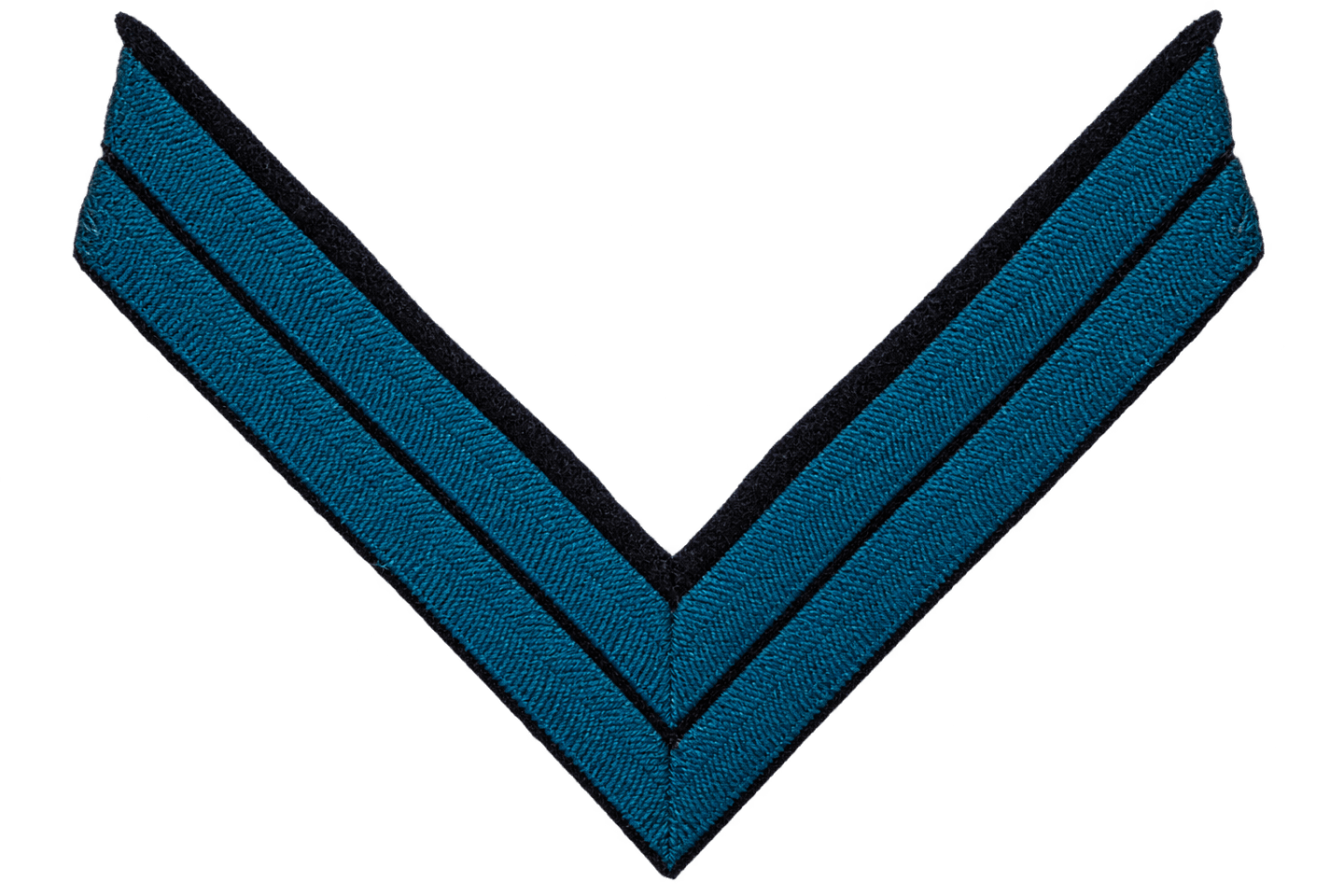
Saved the colors and bore them safely off a bloody field.
Myron H. Ranney was an American Civil War soldier whose extraordinary courage during the Second Battle of Bull Run earned him the Medal of Honor, the United States' highest military decoration for valor. On August 30, 1862, while serving as a private in Company G of the 13th New York Volunteer Infantry, Ranney recovered his regiment's colors after the flag bearer was shot down. Although wounded during the engagement, he successfully carried the flag from the battlefield, preserving one of the regiment's most important symbols of honor and identity.
Born in Franklinville, Cattaraugus County, New York, in the mid-1840s, Myron H. Ranney grew up during a period of increasing political division in the United States. Historical sources disagree about his precise birth year, and relatively little has been established about his childhood, education, or family circumstances. His surviving military records, however, provide a substantial account of his service during and immediately after the Civil War.
When the conflict began in April 1861, New York contributed thousands of volunteers to the Union Army. Among its early regiments was the 13th New York Volunteer Infantry, organized at Rochester and composed of men recruited from western New York communities.
On September 24, 1861, Ranney enlisted at Dansville, New York, and was mustered into Company G of the 13th New York Infantry as a private. His enlistment placed him in a regiment already serving in the eastern theater, where Union forces were preparing for increasingly extensive operations against the Confederate army in Virginia.
During 1862, the 13th New York participated in the Peninsula Campaign as part of the Army of the Potomac. The regiment's history included operations near Yorktown and Richmond before the Union army withdrew from the Virginia Peninsula.
By August 1862, the regiment had become involved in the Northern Virginia Campaign, where Union Major General John Pope was attempting to confront Confederate forces under General Robert E. Lee.
The campaign culminated in the Second Battle of Bull Run, also known as the Second Battle of Manassas, fought from August 28 to August 30, 1862. The engagement developed into a major Confederate victory after Lee's forces attacked the Union army near the battlefield where the first Battle of Bull Run had occurred the previous year.
On August 30, the 13th New York Infantry became involved in fierce fighting as the Union army struggled to resist Confederate attacks. The regiment suffered substantial casualties during the engagement, and its soldiers faced the danger of being overwhelmed as the battle turned against Federal forces.
It was during this difficult phase of the fighting that Private Myron H. Ranney performed the action that would define his military career.
The regiment's color bearer was struck by enemy fire and fell to the ground. With the flag bearer incapacitated, the regimental colors were at risk of being lost or captured as the Union troops withdrew.
Ranney moved to recover the fallen flag. He picked up the colors and carried them away from the battlefield, preserving the regiment's standard despite the danger surrounding him.
During the action, Ranney was himself wounded. Nevertheless, he succeeded in carrying the flag from the field.
His official Medal of Honor citation records both elements of his bravery: he recovered the colors after the flag bearer had been shot down, and he was wounded while performing the act.
Regimental flags were of exceptional importance during the American Civil War. They identified military units, provided visible rallying points in the confusion of combat, and represented the collective identity of the soldiers who served beneath them.
Losing a flag to the enemy was considered a serious misfortune, while preserving the colors under dangerous circumstances was regarded as an act of distinguished military courage.
Ranney's achievement was therefore more than the recovery of a piece of military equipment. By preventing the loss of the 13th New York's colors, he preserved an important symbol of the regiment's service at a moment when the Union battle line was under severe pressure.
The Second Battle of Bull Run ended in defeat for Pope's army. Confederate forces compelled the Union troops to retreat toward Washington, while the heavy casualties suffered during the fighting demonstrated the continuing intensity of the war in Virginia.
For the 13th New York Infantry, the engagement became one of the most costly episodes in its military history. Ranney's successful recovery of the flag stood out amid the regiment's losses.
Despite being wounded during the battle, Ranney survived and continued his military career. His first period of service concluded on May 13, 1863, when he was mustered out of the 13th New York Infantry at Rochester.
His departure from the regiment did not mark the end of his military service.
Later that year, Ranney returned to the Union Army. On October 14, 1863, he enlisted at Troy, New York, and the following day was mustered into Company K of the 21st New York Cavalry as a private.
This second enlistment represented a change from infantry to cavalry service. Whereas his earlier duties had involved fighting on foot with the 13th New York, his new regiment was organized for mounted operations.
Known as the Griswold Light Cavalry, the 21st New York served in military operations across Virginia and the Shenandoah Valley. Its assignments included the mounted duties required to support Union campaigns, protect military communications, and operate across difficult territory.
On November 1, 1863, Ranney was appointed corporal in Company K. This advancement marked the highest documented rank of his military career.
Later service records indicate that he returned to the rank of private, although the recorded date of that reduction is inconsistent with his enlistment chronology. The surviving evidence does not establish the precise circumstances of the change.
As the Civil War continued through 1864 and into 1865, the 21st New York Cavalry remained in active service. The regiment's history included operations in the Shenandoah Valley, where Union and Confederate cavalry forces frequently contested roads, supply routes, and strategically important towns.
Although these campaigns formed part of the regiment's documented history, the surviving records do not establish Ranney's personal participation in every engagement.
The surrender of General Robert E. Lee's Army of Northern Virginia at Appomattox Court House on April 9, 1865, brought an end to the principal Confederate resistance in Virginia. Other Confederate forces surrendered during the following weeks, effectively ending the Civil War.
Ranney's military service, however, continued beyond the conclusion of major hostilities.
On September 9, 1865, he was transferred from Company K to Company E of the 21st New York Cavalry. The regiment subsequently performed military duties in the western territories, where Federal troops continued to maintain posts and protect important routes.
On July 5, 1866, Ranney was officially mustered out at Denver, Colorado Territory. His discharge brought to an end a military career that had begun in New York in 1861 and continued through both the Civil War and the period immediately following it.
His service had included two New York regiments, a transition from infantry to cavalry, promotion to corporal, and duty extending far beyond the eastern battlefields where he had first entered combat.
Although Ranney's courageous action occurred in August 1862, formal recognition came more than thirty-two years later.
On March 23, 1895, Myron H. Ranney was awarded the Medal of Honor for his bravery during the Second Battle of Bull Run.
The Medal of Honor had been established during the Civil War to recognize exceptional military conduct. Congress authorized the Army decoration in 1862, providing national recognition for soldiers whose bravery distinguished them during combat.
Ranney received the original Civil War-era Army Medal of Honor. His award recognized his decision to recover the 13th New York Infantry's colors after the flag bearer was shot down and his determination to carry them from the battlefield despite being wounded.
Unlike soldiers who received the decoration for capturing enemy flags, Ranney earned his recognition by preventing the loss of his own regiment's colors. His achievement represented an important form of battlefield courage, preserving the symbol around which his fellow soldiers had fought.
Following his military career, Ranney eventually settled in Washington State. Details of his civilian occupation, marriage, and family life have not been reliably established in the available historical records.
By the beginning of the twentieth century, he was living in the Olympia area, where he maintained connections with other Union veterans.
On January 6, 1900, Ranney joined George H. Thomas Post No. 5 of the Grand Army of the Republic in Olympia, Washington.
The Grand Army of the Republic was a veterans' organization formed after the Civil War to provide fellowship, support, and opportunities to commemorate the service of Union soldiers and sailors. Ranney's membership documented his continued association with the community of Civil War veterans decades after his discharge.
The organization's surviving membership records identified his service with both the 13th New York Infantry and the 21st New York Cavalry, preserving important evidence of his military career beyond the single engagement recognized by the Medal of Honor.
Myron H. Ranney died in September 1910 in Olympia, Washington. He was buried at Odd Fellows Memorial Park, historically associated with the Independent Order of Odd Fellows Cemetery, in nearby Tumwater, Washington. His burial location is recorded as Block 178, Lot 25.
His death came nearly forty-eight years after the Second Battle of Bull Run, the engagement that had permanently distinguished his military service.
Ranney's legacy rests upon an extraordinary act of courage during a moment of battlefield confusion and defeat. When the color bearer of the 13th New York Infantry fell under enemy fire, Ranney recovered the regimental colors and carried them to safety despite being wounded himself.
His later service in the 21st New York Cavalry demonstrated that his military career extended well beyond the single heroic action for which he received national recognition.
From his enlistment in western New York to his final discharge in Colorado Territory and his later years in Washington State, Myron H. Ranney's life reflected years of military service and an enduring connection to the Union veterans' community.
His bravery on August 30, 1862, earned him the Medal of Honor and secured his place in American military history. The regimental flag he rescued at Second Bull Run remains the defining symbol of his courage, determination, and devotion to duty.
Become the named supporter for this profile and edit the tribute biography and portrait (Owner account required). Proceeds help keep the archive online.
$25 USD / year — annual sponsorship renewal. Keeps the page online and, where enabled, the family anniversary remembrance emails active.