★
Loading archive…
Loading archive…
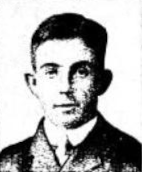
Private, British Army
Support & adopt this hero ↓
When devastating German shellfire buried his comrades beneath the shattered trenches of Messines, Private Robert Morrow refused to leave them to die. With enemy fire continuing to rain down around him, he entered the wreckage and began pulling trapped soldiers from the ruins, carrying them to safety. His extraordinary courage would earn him the Victoria Cross, Britain's highest award for gallantry. Yet his story would end just days later, making him one of the First World War's most poignant heroes.
Robert Morrow was born on 7 September 1891 near Newmills, County Tyrone, Ireland. He joined the British Army and served as a Private with the 1st Battalion, Princess Victoria's Royal Irish Fusiliers. Following the outbreak of the First World War in August 1914, his battalion deployed to the Western Front, where the British Army became embroiled in some of the fiercest fighting of the conflict. Morrow experienced the opening campaigns in France and Belgium, earning the 1914 Star with its coveted Mons clasp, alongside the British War Medal and Victory Medal.
On 12 April 1915, near Messines in Belgium, Morrow performed the act of extraordinary bravery that would secure his place in military history. Intense enemy shellfire struck the British trenches, collapsing sections of the defensive positions and burying several soldiers beneath the debris. While the bombardment continued and the danger of further explosions remained, Morrow repeatedly exposed himself to enemy fire to locate, dig out and rescue his trapped comrades. He carried the wounded men to places of comparative safety, demonstrating exceptional courage, determination and devotion to those serving beside him.
His actions were recognised with the Victoria Cross, the highest decoration for valour in the British and Commonwealth honours system. The award was announced in the London Gazette on 21 May 1915. Morrow, however, would never live to receive his decoration personally.
Less than a fortnight after his courageous rescue at Messines, Morrow was again helping wounded soldiers during the fighting around St Julien. On 25 April 1915, he was mortally wounded. He died the following day, 26 April 1915, at just 23 years of age. He was subsequently laid to rest at White House Cemetery near Ypres, Belgium, among the thousands of Allied servicemen who lost their lives defending the Western Front.
Morrow's gallantry also attracted international recognition. In August 1915, Tsar Nicholas II of Russia posthumously awarded him the Medal of St George, Third Class, a distinguished Russian decoration for military courage. This rare foreign honour recognised the extraordinary bravery of a British soldier whose actions had transcended national boundaries. His resulting medal group represents an unusual combination of British gallantry and campaign awards alongside a Russian imperial decoration.
Robert Morrow's story is more than the story of a Victoria Cross recipient. It is the story of a young Irish soldier who placed the lives of his comrades above his own when faced with overwhelming danger. He had little time to enjoy the recognition his bravery deserved, but his actions at Messines ensured that his name would endure.
Private Robert Morrow, Victoria Cross, remains remembered for the courage he displayed under enemy fire, his determination to rescue wounded comrades and the ultimate sacrifice he made during the First World War. His legacy stands as a powerful reminder that the greatest acts of heroism are often performed not for recognition or reward, but out of an unwavering commitment to others.
Become the named supporter for this profile and edit the tribute biography and portrait (Owner account required). Proceeds help keep the archive online.
$25 USD / year — annual sponsorship renewal. Keeps the page online and, where enabled, the family anniversary remembrance emails active.