★
Loading archive…
Loading archive…
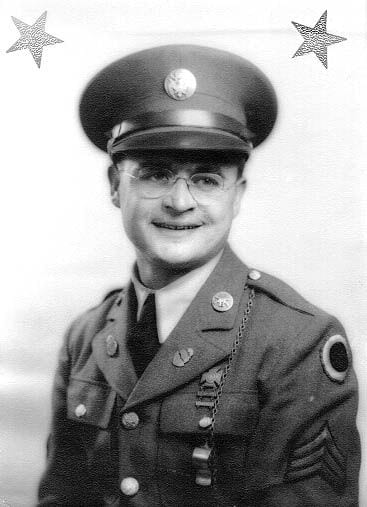
Private, U.S. Army
Support & adopt this hero ↓
One wounded American soldier crawled toward a Japanese machine gun while his comrades struggled to escape. He knew the enemy could see him. He knew another burst could be fatal. Yet he kept moving. On 31 July 1943, in the jungles of New Georgia in the Solomon Islands, Private Rodger Wilton Young made a sacrifice that would earn him the Medal of Honor and secure his place among America's most courageous heroes of World War II.
Born on 28 April 1918 in Tiffin, Ohio, Rodger Wilton Young joined Company B, 148th Infantry Regiment, Ohio National Guard, in January 1938. Small in stature but determined and exceptionally skilled with a rifle, he became a sergeant, squad leader and marksmanship instructor in the 37th Infantry Division. However, deteriorating hearing presented a dangerous challenge. Fearing that he might miss a critical command and endanger his men, Young voluntarily relinquished his sergeant's rank and returned to private. It was a quiet act of responsibility that revealed the character of the soldier he would become.
On 31 July 1943, during the New Georgia campaign, Young's company was ordered to withdraw to adjust its position for the night. Suddenly, a concealed Japanese machine gun opened fire from elevated ground approximately 75 yards away, pinning down his platoon. Young was wounded in the initial burst, but he spotted the enemy position and began crawling toward it. Wounded a second time, he continued advancing through the jungle, firing his rifle to draw enemy attention away from his comrades.
As he approached the Japanese pillbox, Young began throwing hand grenades. Enemy fire struck him again, killing him before he could return to safety. But his extraordinary courage had achieved its purpose. By drawing the machine gun's fire onto himself, he enabled his platoon to withdraw without further losses and inflicted casualties on the enemy.
For this remarkable act of self-sacrifice, Rodger Young was posthumously awarded the Medal of Honor, formally recorded in War Department General Orders No. 3, dated 6 January 1944. His family received the decoration on 17 January 1944 at Fort Knox, Kentucky. His combat wounds are recognized by the Purple Heart. His reconstructed military honours also include the American Defense Service Medal for qualifying early federal service, the Asiatic-Pacific Campaign Medal with one bronze service star for the Northern Solomons campaign, and the World War II Victory Medal for his wartime service.
Young's courage continued to inspire Americans long after the war. Songwriter Frank Loesser immortalized his story in "The Ballad of Rodger Young," while his home state of Ohio commemorated his sacrifice. His remains were returned to the United States in 1949, and he rests in McPherson Cemetery in Clyde, Ohio.
Rodger Young did not survive the battlefield, but his final decision saved the lives of fellow soldiers. His legacy is a reminder that true military heroism is measured not by rank or physical strength, but by the courage to place others before oneself.
Become the named supporter for this profile and edit the tribute biography and portrait (Owner account required). Proceeds help keep the archive online.
$25 USD / year — annual sponsorship renewal. Keeps the page online and, where enabled, the family anniversary remembrance emails active.