★
Loading archive…
Loading archive…

Lieutenant commander, United States Naval Reserve
Support & adopt this hero ↓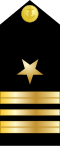
Twice wounded he kept his gunboat in action under heavy fire
Rufus Geddie Herring was born in Roseboro, North Carolina, on 11 June 1921. He joined the Naval Reserve in 1942 and was commissioned during the war. He served in Pacific amphibious operations aboard LCI(G)-449 before taking command of the gunboat.
On 17 February 1945, the vessel supported underwater demolition teams off Iwo Jima before the main landings. Japanese coastal guns smashed its weapons and set its decks afire. Herring was severely wounded and lost consciousness. After recovering, he was struck again when a shell hit the conning station, killing or disabling officers and leaving the craft without control.
He reached the pilothouse, took the helm and restored communication with the engine room. Too weak to stand, he propped himself against shell cases, encouraged his crew and kept remaining guns in action until the damaged vessel could withdraw. His leadership earned the Medal of Honor, presented on 5 September 1945.
His injuries prevented further combat service. Retired as a lieutenant commander in April 1947, he returned to Roseboro, served as mayor from 1947 to 1950 and worked in the poultry business. He died on 31 January 1996.
Medal of Honor citation
For conspicuous gallantry and intrepidity at the risk of his life above and beyond the call of duty as Commanding Officer of LCI(G) 449 operating as a unit of LCI (G) Group EIGHT, during the pre-invasion attack on Iwo Jima on 17 February 1945. Boldly closing the strongly fortified shores under the devastating fire of Japanese coastal defense guns, Lieutenant (then Lieutenant Junior Grade) Herring directed shattering barrages of 40-mm and 20-mm gunfire against hostile beaches until struck down by the enemy’s savage counterfire which blasted the 449’s heavy guns and whipped her decks into sheets of flame. Regaining consciousness despite profuse bleeding he was again critically wounded when a Japanese mortar crashed the conning station, instantly killing or fatally wounding most of the officers and leaving the ship wallowing without navigational control. Upon recovering a second time, Lieutenant Herring resolutely climbed down to the pilot house and, fighting his own rapidly waning strength, took over the helm, established communication with the engine room and carried on valiantly until relief could be obtained. When no longer able to stand, he propped himself against empty shell cases and rallied his men to the aid of the wounded; he maintained position in the firing line with his 20-mm guns in action in the face of sustained enemy fire and conned his crippled ship to safety. His unwavering fortitude, aggressive perseverance and indomitable spirit against terrific odds reflect the highest credit upon Lieutenant Herring and uphold the highest traditions of the United States Naval Service.
Become the named supporter for this profile and edit the tribute biography and portrait (Owner account required). Proceeds help keep the archive online.
$25 USD / year — annual sponsorship renewal. Keeps the page online and, where enabled, the family anniversary remembrance emails active.