★
Loading archive…
Loading archive…

Lieutenant, Royal Navy
Support & adopt this hero ↓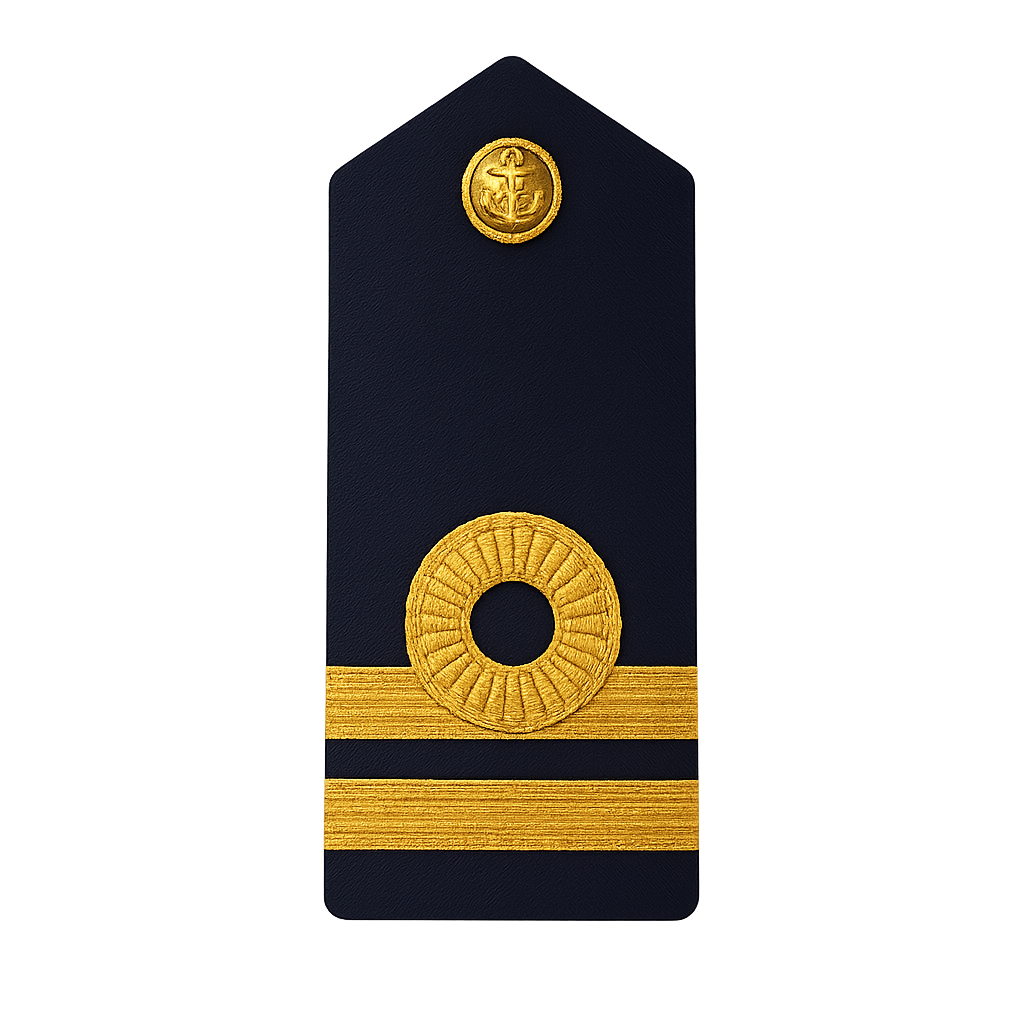
In February 1942, as Singapore was falling, a small Yangtze river steamer with one old gun turned and steered straight at a Japanese invasion fleet.
She was not really a warship at all. Before the war, HMS Li Wo had carried passengers up and down the Yangtze River in China. The Royal Navy had taken her over, fitted a single 4-inch gun to her deck, added two machine-guns, and sent her into war with just thirteen practice shells.
She was making for Batavia, in Java, with eighty-four men aboard. Most were not even her original crew. They were survivors, sailors already pulled from the sea after their own ships had been sunk, with a handful of soldiers and airmen among them. That day she had already fought off repeated air attacks and was damaged, but still moving.
Then, late in the afternoon of 14 February 1942, Li Wo sighted a Japanese convoy heading toward Sumatra — troop transports guarded by a cruiser and destroyers.
The sensible thing was to run. To slip away into the dusk and try to reach Java.
Her commander did not run.
Temporary Lieutenant Thomas Wilkinson, Royal Naval Reserve, gathered his men and told them the truth. If they attacked, they would almost certainly be destroyed. Then he asked them what they wanted to do.
Every man backed him.
Wilkinson ran up the battle ensign, ordered full speed, and drove the little steamer straight at the leading transport.
Li Wo’s gun crew found the range. One Japanese transport was set ablaze. Her machine-guns raked another ship. Men on the burning transport began jumping overboard. For more than an hour, a river ferry fought a fleet.
Then the thirteen shells were gone. Li Wo was torn open, burning, and sinking. Wilkinson had nothing left to fire.
So he used the ship herself.
He rammed the burning transport, which continued to burn through the night.
The Japanese warships closed in and finished Li Wo at point-blank range. Wilkinson ordered his men to abandon ship, but he stayed on the bridge and went down with her.
He was forty-three years old.
Thomas Wilkinson was not a career naval officer. He was a merchant seaman from Widnes, Lancashire, one of nine children, who had gone to sea as a boy. Before the war, he had commanded Li Wo on the Yangtze. In the end, he fought and died at the wheel of his own ship.
Of the eighty-four men aboard, only seven survived the war.
For a long time, nobody at home knew the full story. The witnesses were dead, missing, or locked behind the wire of Japanese prison camps. The report of Li Wo’s last fight had gone down with the ship. Only after the war, when the few survivors were freed, could the story be told.
The Victoria Cross came late. It was gazetted in December 1946, nearly five years after the action. In early 1947, King George VI presented it to Wilkinson’s brother, William.
Thomas Wilkinson has no grave. His name is recorded on the Liverpool Naval Memorial, and he is remembered in his home town of Widnes.
A river steamer with one gun turned to face an invasion fleet, and the man who gave the order stayed on his bridge to the end.
That is why we keep his name.
If your father or grandfather served in the Far East, in the Merchant Navy, or never came home from a Japanese prison camp, tell us his name below. Say it out loud.
A name said again is a name kept.
Thomas Wilkinson VC. HMS Li Wo. Lest we forget.
Become the named supporter for this profile and edit the tribute biography and portrait (Owner account required). Proceeds help keep the archive online.
$25 USD / year — annual sponsorship renewal. Keeps the page online and, where enabled, the family anniversary remembrance emails active.