★
Loading archive…
Loading archive…
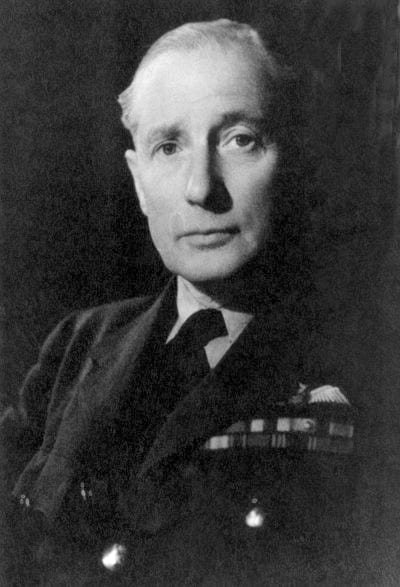
The RAF Chief Who Helped Build Britain's Winning Aircraft
Air Chief Marshal Sir Wilfrid Rhodes Freeman was a decorated First World War pilot and one of the principal architects of Britain’s air power during the Second World War. His support helped bring the Spitfire, Hurricane, Mosquito, Lancaster and Halifax into RAF service.
Born in London on 18 July 1888, Freeman was educated at Rugby and the Royal Military College, Sandhurst. Commissioned into the Manchester Regiment in 1908, he learned to fly in 1913 and joined the Royal Flying Corps before the outbreak of war.
Gallantry in the First World War
Freeman travelled to France with No. 2 Squadron in August 1914. The following month, mechanical failure forced him to land behind German lines. Accompanied by his observer, he evaded enemy patrols and crossed the River Aisne to return to British forces.
On 10 March 1915, Freeman located German artillery positions and transmitted their locations by wireless to British guns. Despite enemy bullets piercing his aircraft, he remained airborne for more than five hours. He received the Military Cross for his gallantry, ability and valuable work.
He subsequently commanded No. 14 Squadron and RFC wings, receiving the Distinguished Service Order in November 1916. His wartime record included three Mentions in Despatches and appointment as a Chevalier of the French Legion of Honour.
The architect of RAF rearmament
In 1936, Freeman became Air Member for Research and Development, assuming additional production responsibilities in 1938. He championed aircraft programmes essential to Britain’s survival and eventual victory.
His support for de Havilland’s unconventional wooden Mosquito was particularly significant. Dismissed by critics as an impractical project and sometimes called “Freeman’s Folly”, the Mosquito became one of the war’s most versatile aircraft, serving as a bomber, fighter, reconnaissance aircraft and pathfinder.
Freeman also supported development of the Merlin-powered North American P-51 Mustang, helping transform it into one of the Allies’ most effective long-range fighters.
In November 1940, he became Vice-Chief of the Air Staff, working alongside Air Chief Marshal Sir Charles Portal. In October 1942, he left active RAF service to become Chief Executive at the Ministry of Aircraft Production, continuing his contribution to Allied air superiority until 1945.
Honours and legacy
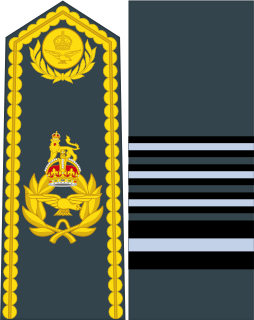
Freeman was appointed Companion of the Order of the Bath in 1932, Knight Commander in 1937 and Knight Grand Cross in 1942. He was created a baronet in 1945.
After the war, he worked for Courtaulds. He died on 15 May 1953, aged 64.
Freeman’s legacy survives in the aircraft that defended Britain, carried the bombing offensive into occupied Europe and helped secure Allied victory. His name deserves recognition alongside the airmen who flew them.
Become the named supporter for this profile and edit the tribute biography and portrait (Owner account required). Proceeds help keep the archive online.
$25 USD / year — annual sponsorship renewal. Keeps the page online and, where enabled, the family anniversary remembrance emails active.