★
Loading archive…
Loading archive…
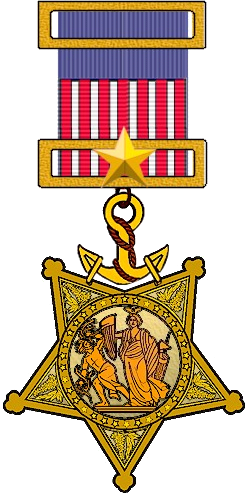
Chief Boatswain's Mate, U.S. Navy
Support & adopt this hero ↓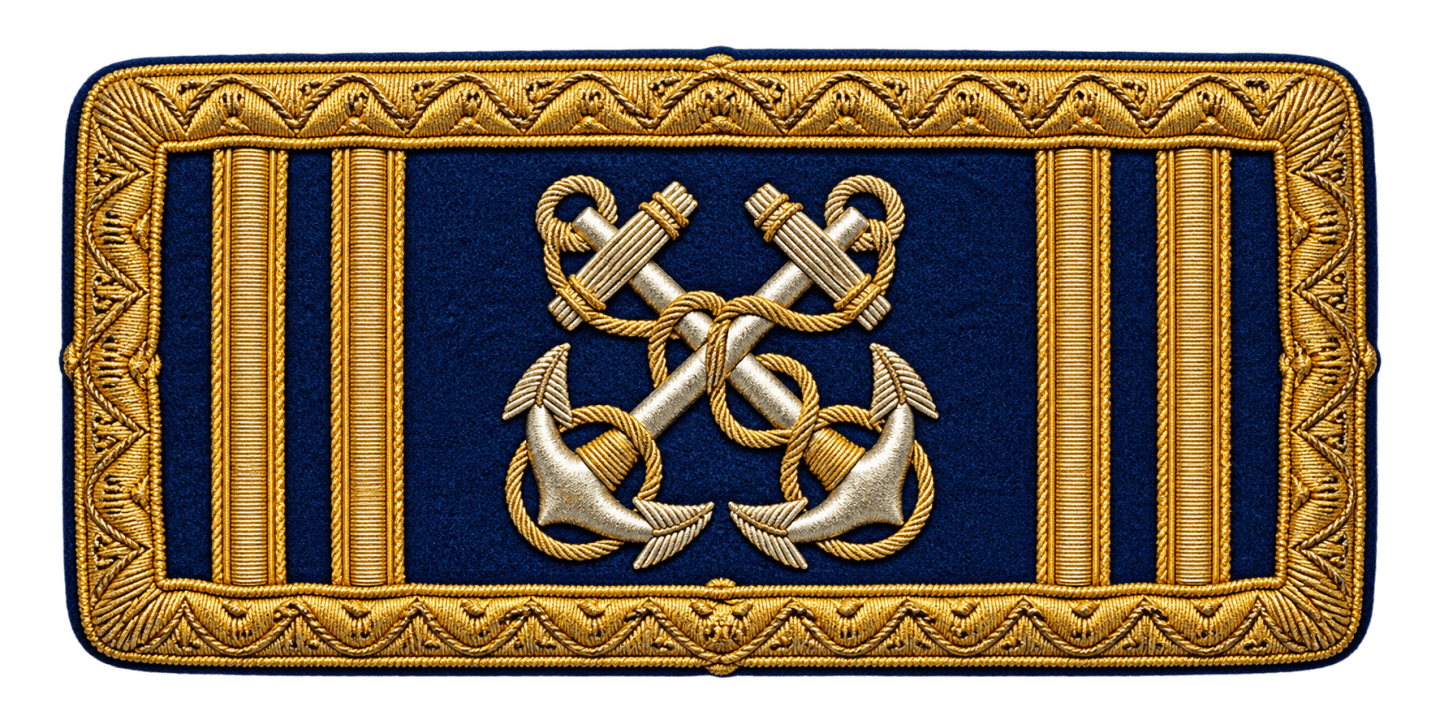
Two Hours Under Fire, He Kept His Gun Fighting
William Densmore was born in New York and became a career sailor in the United States Navy during an era when American naval power was being tested by civil war. Much of his early personal life has disappeared from the surviving historical record, but his naval career is unusually well documented. By the time of his most famous action in 1864, he was an experienced sailor whose service had already taken him through some of the most important naval operations of the American Civil War.
Densmore had accumulated many years of naval service before the war reached its decisive final stages. He served aboard the USS St. Louis during operations off Pensacola and near the Head of the Passes of the Mississippi River. When that period of service expired in 1861, he reenlisted and joined the USS Brooklyn, beginning another demanding chapter of his career just as the Civil War transformed naval warfare along the Gulf Coast and Mississippi River.
Aboard the Brooklyn, Densmore participated in the campaign against New Orleans in 1862. He was present during the fighting against Forts Jackson and St. Philip, the Confederate fortifications guarding the approaches to the city. The Union fleet had to force its way past these powerful defenses while also confronting Confederate gunboats and other naval resistance on the Mississippi.
Densmore also took part in the fighting with Confederate ironclads and gunboats below New Orleans and in the action against the Chalmette batteries. He was present when New Orleans surrendered to Union forces, one of the most important early naval victories of the war. Later in 1862, while still serving aboard the Brooklyn, he participated in operations against Confederate batteries below Vicksburg. These campaigns gave him extensive experience operating under hostile fire long before the action that would eventually earn him the Medal of Honor.
In September 1863, Densmore joined the USS Richmond. By then he had risen to Chief Boatswain’s Mate, a senior enlisted position carrying considerable responsibility for seamanship, deck operations, discipline, and the effective functioning of the ship’s crew. During battle he also served as captain of a gun, placing him directly in charge of operating one of the warship’s weapons under combat conditions.
His defining moment came on August 5, 1864, during the Battle of Mobile Bay in Alabama. Mobile remained one of the Confederacy’s most important Gulf ports, defended by powerful shore batteries, Confederate gunboats, and the ironclad ram CSS Tennessee. Union naval forces entered the bay under intense enemy fire in an operation that became one of the most celebrated naval battles of the Civil War.
Aboard the Richmond, Densmore commanded his gun while the ship fought against Confederate forts and gunboats and engaged the Tennessee. Enemy fire struck the Richmond, damaging the vessel and causing casualties among her crew. The conditions on deck were violent and dangerous, but Densmore remained at his combat station.
For approximately two hours, he continued fighting his gun with the skill and courage later emphasized in his official recognition. The battle demanded sustained discipline rather than a single brief act of bravery. Densmore had to keep his weapon functioning and continue engaging the enemy as the Richmond endured hostile fire and the Union fleet pressed deeper into Mobile Bay.
The engagement ultimately ended with the surrender of the Confederate ironclad Tennessee and severe damage to Confederate defenses associated with Fort Morgan. The Union victory effectively closed one of the South’s last major Gulf ports and represented a significant strategic achievement in the closing year of the war.
Densmore’s performance during the battle was formally recognized with the Medal of Honor. General Order No. 45, dated December 31, 1864, honored him for his conduct as Chief Boatswain’s Mate and gun captain aboard the Richmond. His citation emphasized the skill and courage with which he fought his gun throughout the furious engagement despite damage to the ship and casualties among the crew.
The Medal of Honor was still a young decoration during the Civil War. For enlisted sailors such as Densmore, it represented the nation’s highest recognition for extraordinary conduct in military service. His award reflected not only courage under fire but the professional competence of an experienced sailor who continued performing his duty during one of the war’s most intense naval actions.
The Battle of Mobile Bay was not an isolated moment in Densmore’s career. His earlier service aboard the St. Louis and Brooklyn had already placed him in operations around Pensacola, New Orleans, the Mississippi River, and Vicksburg. Those years of combat experience provide important context for his actions aboard the Richmond. By August 1864, he was not a sailor confronting enemy fire for the first time; he was a veteran of repeated naval engagements who had developed the discipline required to keep fighting in the most difficult conditions.
Densmore survived the battle and lived to receive the recognition associated with his Medal of Honor, but his life after the war was brief. He died in Philadelphia on June 17, 1865, only a short time after the collapse of the Confederacy and the effective end of the Civil War. He was buried at New Cathedral Cemetery in Philadelphia, Pennsylvania.
His legacy rests on far more than a single moment. Densmore served through years of naval warfare, participated in major operations along the Gulf Coast and Mississippi River, witnessed the fall of New Orleans, fought near Vicksburg, and finally faced Confederate defenses and the ironclad Tennessee at Mobile Bay. Yet it was aboard the USS Richmond on August 5, 1864, that his experience, courage, and devotion to duty were most clearly revealed. For two punishing hours under enemy fire, he continued fighting his gun—and that steadfast performance secured his place among the Medal of Honor recipients of the American Civil War.
Become the named supporter for this profile and edit the tribute biography and portrait (Owner account required). Proceeds help keep the archive online.
$25 USD / year — annual sponsorship renewal. Keeps the page online and, where enabled, the family anniversary remembrance emails active.