★
Loading archive…
Loading archive…
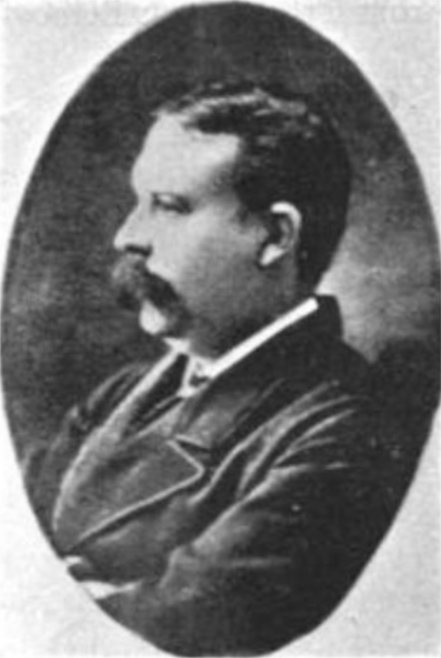
Colonel, British Indian Army
Support & adopt this hero ↓
He scaled the Gwalior fortress to silence guns above his men
William Francis Frederick Waller was born at Dapoolee in the Bombay Presidency on 20 August 1839. His father, Thomas, was an assistant surgeon in the Bombay service, and his mother was Alicia Anne Waller. His upbringing belonged to the British Indian military community in which he would begin his own career at seventeen.
On 20 February 1857 he received a commission in the East India Company's 25th Bombay Native Infantry. The uprising later that year brought him into active operations while still a very young officer. He served in the Central India campaign, including the fighting associated with Chanderi, Jhansi, the Betwa and Kalpi. He became a lieutenant in June 1858.
At Gwalior on 20 June, Waller and Lieutenant Hugh Rose were with a small picket when firing from the fortress threatened the troops below. With only a handful of men they advanced against it. They forced their way through the entrances and fought upward, using the roof of a building to reach a position from which they could fire on the gunners. The attack captured the stronghold, but Rose was killed during the fighting.
The Victoria Cross citation, published in the London Gazette on 25 February 1862, recognized Waller's gallantry in storming the fortress. Its account stresses the small size of the attacking party and the fact that he and Rose were its only European officers. Waller's award therefore arose from an improvised assault carried through with the soldiers and police beside them, rather than from the command of a large force.
Waller remained in India after the campaign. He married Mary Anne Grierson, daughter of an Indian Medical Service doctor, at Sholapur in June 1864. Their family eventually included eight sons and a daughter. Promotion to captain followed in 1869 and to major in 1877.
His later work increasingly combined military and political responsibilities. He served with the Sawunt Warree Local Corps, became its second-in-command and undertook appointments in the Southern Mahratta country. In 1883 he became a lieutenant-colonel; he subsequently worked in Kathiawar and as joint administrator at Sangli. These posts extended his career well beyond the fighting that had brought him the Cross.
He returned to Britain on leave in 1884 and died at Bath on 29 January 1885, aged forty-five. His Victoria Cross later entered the Ashcroft collection, preserving the principal decoration from a career spanning combat, regimental service and political administration.
Victoria Cross citation
For great gallantry at the capture by storm of the fortress of Gwalior, on the 20th June, 1858. He and Lieutenant Rose, who was killed, were the only Europeans present, and, with a mere handful of men, they attacked the fortress, climbed on the roof of a house, shot the gunners opposed to them, carried all before them, and took the fort, killing every man in it.
Become the named supporter for this profile and edit the tribute biography and portrait (Owner account required). Proceeds help keep the archive online.
$25 USD / year — annual sponsorship renewal. Keeps the page online and, where enabled, the family anniversary remembrance emails active.