★
Loading archive…
Loading archive…
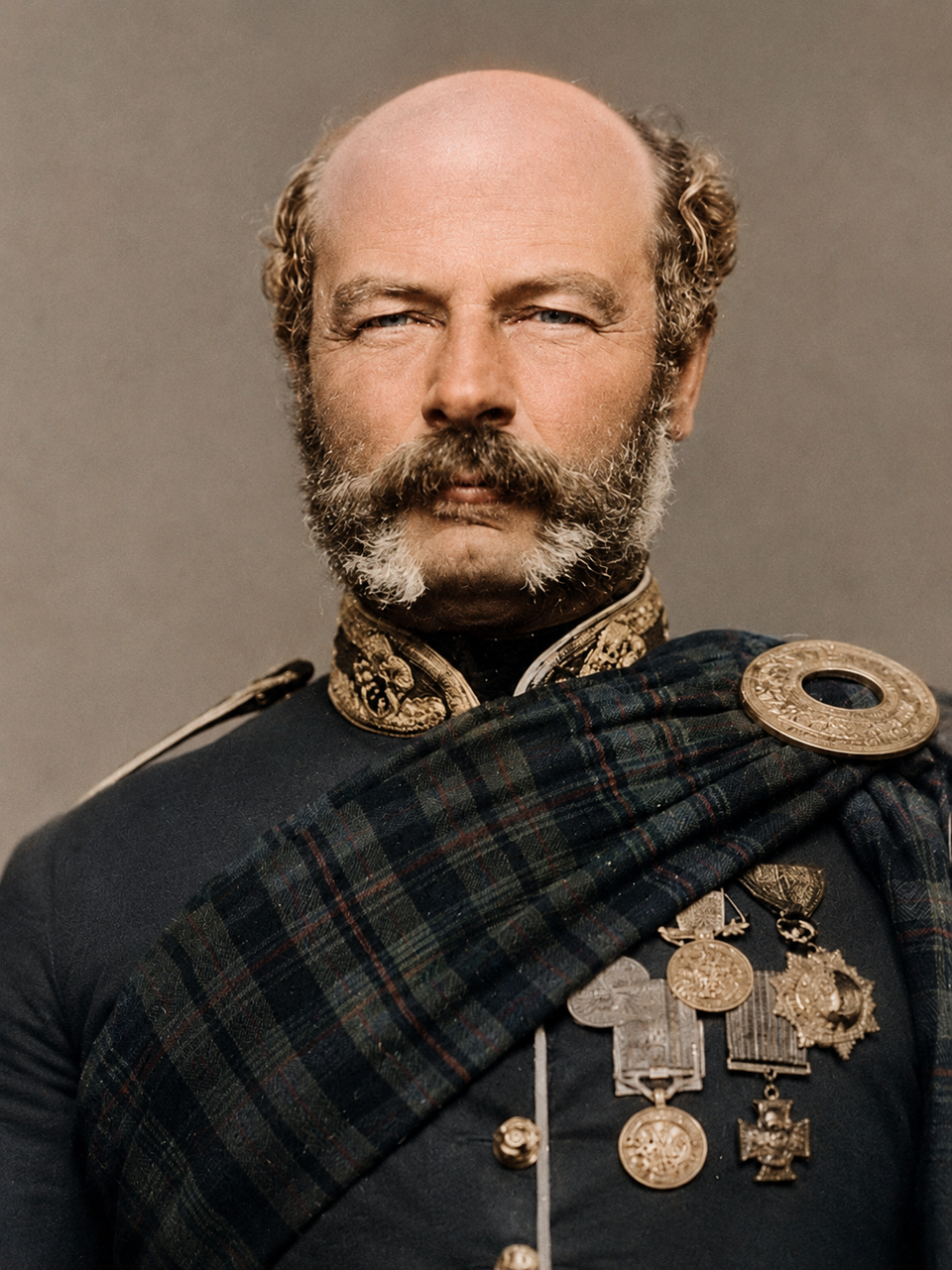
He killed eleven defenders with his sword at a narrow breach
William McBean was born in Inverness in January 1819, the son of shoemaker John McBean and Ann Gordon. He followed his father's trade briefly before enlisting in the 93rd Sutherland Highlanders in 1835. The regiment served in Canada between 1838 and 1848, and McBean built the long professional experience that later enabled him to rise from the ranks to command it.
By 1854 he was a colour sergeant. He received a commission as ensign that August and became a lieutenant in December. During the Crimean campaign he served as adjutant, participating in operations associated with Alma and the siege of Sebastopol. His service also took him to the Sea of Azov, Kertch and Yenikale. He missed the Battle of Balaclava while responsible for men invalided to Varna.
In 1857 the Highlanders sailed for China but were diverted to India after the rebellion began. McBean took part in the November relief of Lucknow and the fighting at Cawnpore. The regiment returned to Lucknow in March 1858 for the operation to recapture the city.
On 11 March, during the assault on the Begum Kothi, also described in the contemporary award as the Begum Bagh, McBean fought at the main breach. His official citation specifically credits him with killing eleven defenders in close combat with his own hand. It was this personal fighting, rather than a later anecdote about his swordsmanship, that formed the published basis of the award (London Gazette, 24 December 1858; citation at https://www.victoriacross.org.uk/bbmcbean.htm).
He became a captain in 1858 and a brevet major in 1860. Further Indian service followed, but ill health brought him home in 1869. In July 1870 he married Victoria Beveridge at Kirkcaldy. The marriage ended tragically: she died shortly after giving birth in September 1871, and their infant son died that November.
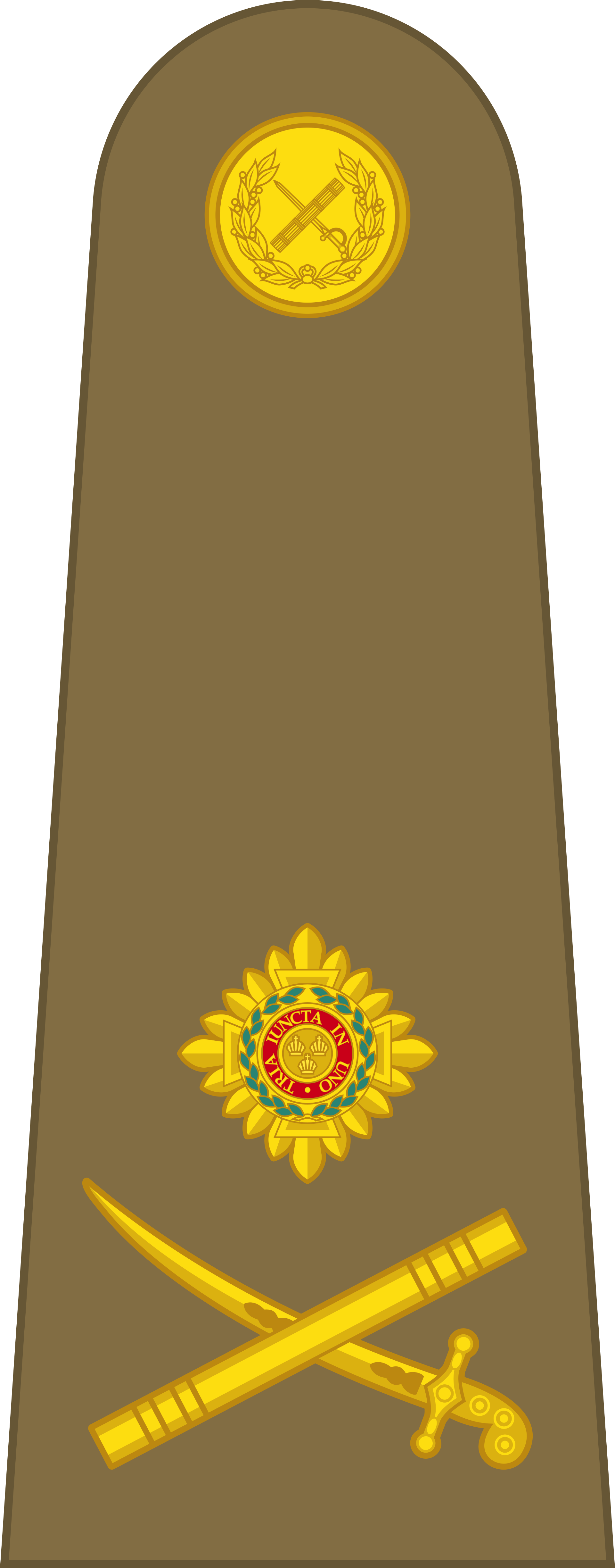
McBean became lieutenant-colonel in 1873 and took command of the 93rd later that year, achieving the distinction of commanding the regiment he had entered as a private. On retirement in February 1878 he received honorary major-general's rank. A serious riding accident led to gangrene, and he died at Shooter's Hill in June 1878. His body was taken to Edinburgh for burial in Grange Cemetery. His medal group remained with the regimental collection at Stirling Castle.
Become the named supporter for this profile and edit the tribute biography and portrait (Owner account required). Proceeds help keep the archive online.
$25 USD / year — annual sponsorship renewal. Keeps the page online and, where enabled, the family anniversary remembrance emails active.