★
Loading archive…
Loading archive…

General, British Army
Support & adopt this hero ↓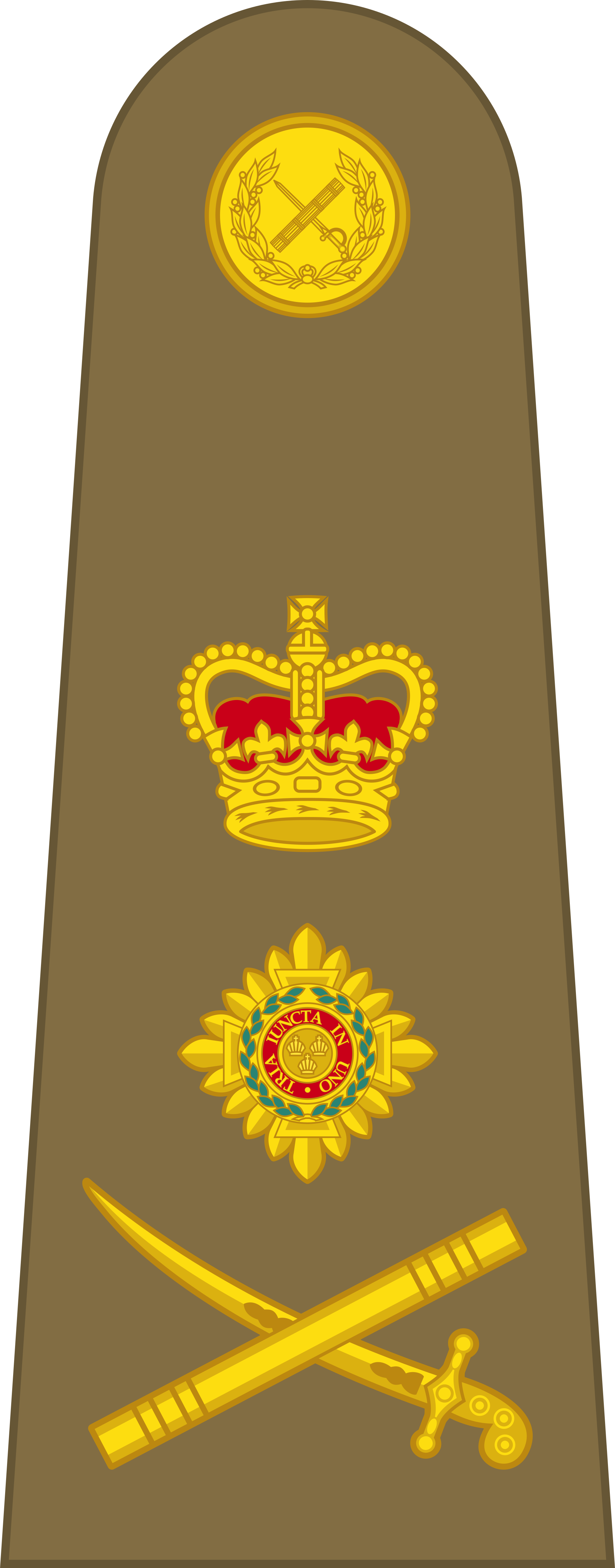
He brought horses and limbers under fire to carry away guns.
William Olpherts was born at Dartry in County Armagh on 8 March 1822. He attended Gracehill and Dungannon schools before entering the East India Company's military college at Addiscombe. Commissioned into the Bengal Artillery on 11 June 1839, he began a long career in India with a posting to Dum Dum.
Early service took him to Burma and Saugor. He commanded a light field battery in the Gwalior campaign of 1843 and subsequently organized artillery for the Bundelkhand Legion. He served in the Kot Kangra operations of 1846 and on the Peshawar frontier under Sir Colin Campbell in 1851–1852. During the Crimean War he served with Turkish forces in the Ottoman theatre, including Armenia, before returning to India. This service does not by itself establish entitlement to the Crimea Medal.
In 1857 Olpherts helped suppress the uprising at Benares and joined Henry Havelock's force advancing towards Lucknow. As a captain commanding artillery he became known for pushing his guns forward aggressively. His nickname, Hellfire Jack, reflected the reputation he acquired during this campaign.
On 25 September 1857, as British troops entered Lucknow, he rode forward with the 90th Regiment of Foot in an attack that captured two enemy guns despite grape fire. Capturing the position did not by itself secure the weapons: horses and limbers were still needed to remove them. Olpherts went back through heavy musketry fire to bring these forward and succeeded in carrying off the guns.
The official citation recognizes both his participation in the mounted charge alongside the infantry and the subsequent recovery of the captured ordnance. It drew on Havelock's field-force orders of 17 October 1857 (London Gazette, 18 June 1858, issue 22154, page 2957; citation reproduced at https://vcgca.org/our-people/profile/1043/William-OLPHERTS). About two days later, he joined Robert Napier in recovering an isolated rearguard with wounded men, guns and ammunition. He also served in the defence of the Residency position and later around the Alambagh.
After the rebellion he continued frontier and garrison service, including the Waziristan operations of 1859–60. He married Alice Maria Cautley at Murree in October 1861; they had a son and three daughters. He commanded artillery at Rawalpindi and Peshawar and later held several district commands. Promotion brought him to full general in 1883, and he became a colonel commandant of the Royal Artillery in 1888.
His appointments in the Order of the Bath progressed from Companion to Knight Commander and finally Knight Grand Cross in 1900. He died at Upper Norwood, London, on 30 April 1902, aged eighty, and was buried in Richmond Cemetery with military honours.
Become the named supporter for this profile and edit the tribute biography and portrait (Owner account required). Proceeds help keep the archive online.
$25 USD / year — annual sponsorship renewal. Keeps the page online and, where enabled, the family anniversary remembrance emails active.