★
Loading archive…
Loading archive…
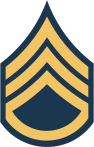
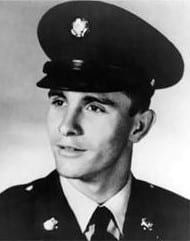
When an enemy grenade landed among wounded American soldiers, Staff Sergeant Ferenc Zoltán Molnár had only a heartbeat to make a choice. He could have tried to escape the explosion, but instead, he threw himself onto the grenade, sacrificing his life to save his comrades. That extraordinary act of courage on May 20, 1967, would earn him the Medal of Honor, America's highest military decoration, and secure his place among the heroes of the Vietnam War.
Born on February 14, 1943, in Logan, West Virginia, to Hungarian immigrant parents Paul and Margaret Molnár, Ferenc Zoltán Molnár, affectionately known as Frankie Zoly Molnar, grew up with a strong sense of family and responsibility. He entered the United States Army in the early 1960s and served in Europe and Vietnam before reenlisting. By 1966, he was a husband and father. His daughter, Michelle, was only eight days old when he departed for another deployment to Vietnam. Serving as a squad leader with Company B, 1st Battalion, 8th Infantry Regiment, 4th Infantry Division, Molnár would soon face the ultimate test of his leadership.
On the night of May 20, 1967, during Operation Francis Marion in South Vietnam's Central Highlands, Molnár's battalion came under intense enemy mortar fire, followed by a massive ground assault. Rather than remain under cover, he moved through the defensive perimeter to prepare his squad for the approaching attack. Discovering enemy soldiers advancing toward his position, he opened fire, killing five attackers and forcing the others to withdraw.
But the battle was far from over. Enemy troops surged forward with grenades, rockets, automatic weapons and rifle fire. As his squad's ammunition dwindled, Molnár crawled through the deadly barrage to secure additional supplies and distribute them among his men. He repeatedly exposed himself to enemy fire, helped repel renewed assaults, administered first aid and assisted in evacuating wounded soldiers. His determination helped hold the American defensive position against overwhelming pressure.
Then came the moment that defined his legacy. While Molnár and several soldiers were preparing to evacuate a severely wounded comrade, an enemy hand grenade landed among them. Molnár saw it first. Without hesitation, he covered the grenade with his body, absorbing the explosion and saving the lives of those around him. He was just 24 years old.
For his extraordinary bravery, selflessness and inspirational battlefield leadership, Staff Sergeant Frankie Zoly Molnar was posthumously awarded the Medal of Honor. His official citation recognized how his actions contributed to the successful defense of his unit's position. On July 10, 1969, President Richard Nixon presented the Medal of Honor to his family at the White House.
Molnár's courage extended beyond his final battle. He also received the Bronze Star Medal with the "V" device for valor during a separate combat action, as confirmed in a personal account by his widow, Sharon, who recalled receiving the decoration in December 1967. His Purple Heart commemorated the wounds that claimed his life. His recorded honours also included the Army Good Conduct Medal, National Defense Service Medal, Vietnam Service Medal and Republic of Vietnam Campaign Medal with the 1960 device, reflecting his military service and participation in the Vietnam War.
His battalion's distinguished service was further recognized through the Presidential Unit Citation for combat operations from May 18 to 26, 1967, encompassing Molnár's final battle. The unit also received the Republic of Vietnam Gallantry Cross Unit Citation with Palm and the Republic of Vietnam Civil Actions Honor Medal, First Class Unit Citation, recognizing collective service during the conflict.
Today, Molnár rests at Highland Memory Gardens in West Virginia, while his name is engraved on the Vietnam Veterans Memorial in Washington, D.C., at Panel 20E, Line 64. A bridge in his native Logan County also bears his name, ensuring that future generations remember his sacrifice.
Ferenc Zoltán Molnár was more than a Medal of Honor recipient. He was a son, husband, father and soldier whose final decision placed the lives of others above his own. In the chaos of battle, when every instinct demanded survival, he chose sacrifice. His story remains a powerful reminder that the highest form of military heroism is not merely defeating an enemy, but giving one's life so that others may live.
Become the named supporter for this profile and edit the tribute biography and portrait (Owner account required). Proceeds help keep the archive online.
$25 USD / year — annual sponsorship renewal. Keeps the page online and, where enabled, the family anniversary remembrance emails active.