★
Loading archive…
Loading archive…

Corporal, U.S. Army
Support & adopt this hero ↓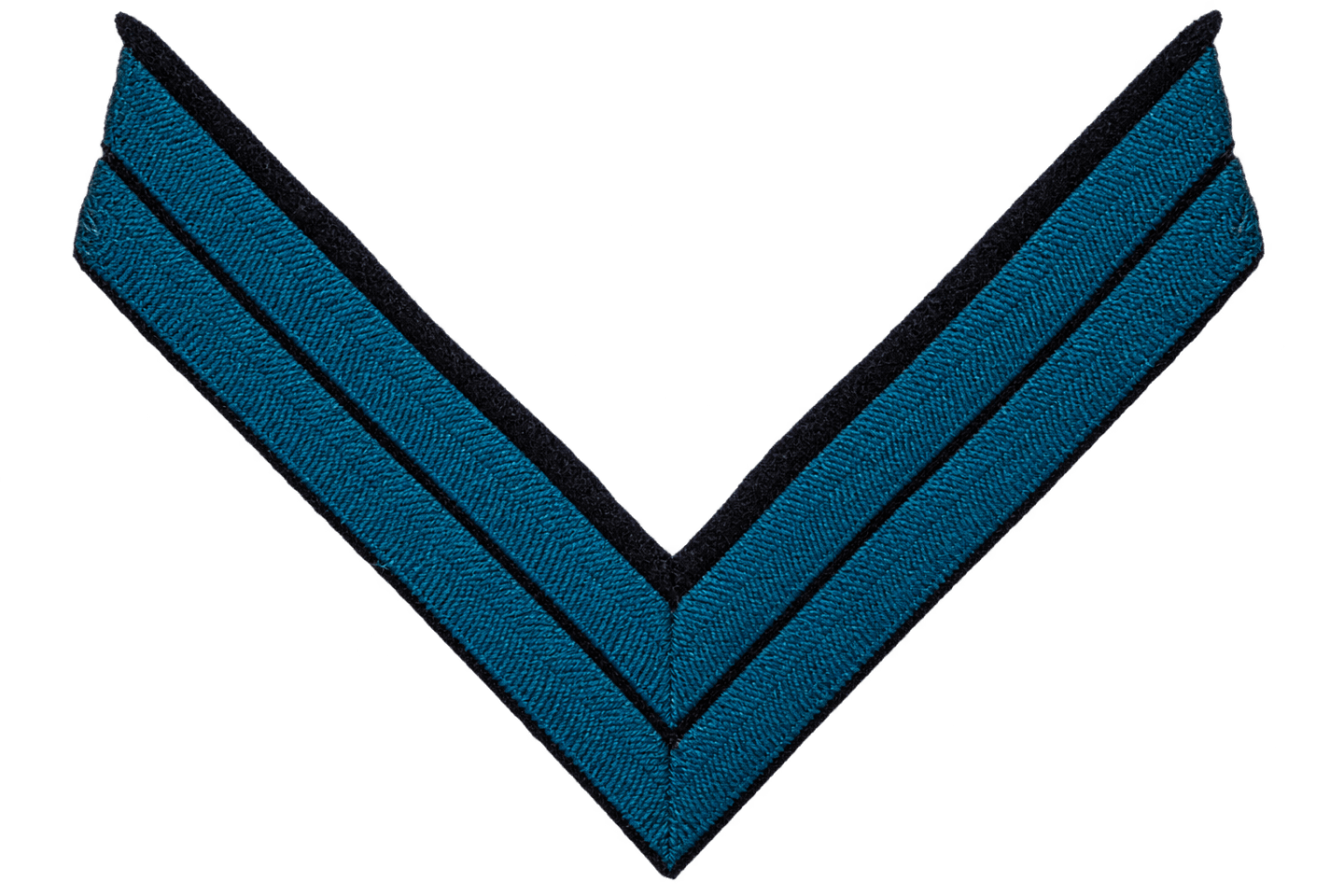
He Carried the Colors After the Bearer Fell
John Calvin Matthews was born on March 29, 1845, in Westmoreland County, Pennsylvania. During the American Civil War, he entered Union service and joined Company A of the 61st Pennsylvania Infantry. By the spring of 1865, he had risen to the rank of Corporal and was serving in the final operations against Petersburg, Virginia.
Petersburg had become the key to the Confederate defense of Richmond. For months, Union forces steadily extended their lines around the city, attacking fortifications and cutting the railroads that supplied General Robert E. Lee’s Army of Northern Virginia.
By April 1865, the Confederate position was close to collapse.
On April 2, Union forces launched a major assault against the Petersburg defenses.
Corporal John Calvin Matthews advanced with the 61st Pennsylvania Infantry as the regiment moved toward the Confederate works.
During the attack, the regiment’s color bearer was disabled.
The loss of a color bearer in battle could create immediate confusion. Regimental flags were more than symbols. Soldiers used them to maintain alignment and locate their unit amid smoke, noise, and rapidly changing battlefield conditions. Because the colors were carried prominently, the men entrusted with them were also highly exposed to enemy fire.
Matthews stepped forward and took up the colors.
By doing so, he placed himself in one of the most visible and dangerous positions in the regiment.
He continued carrying the flag as the assault pressed toward the Confederate works.
During the advance, Matthews was severely wounded.
Despite his injury, he did not immediately relinquish the colors.
He continued forward with the flag until Union troops succeeded in reaching and capturing the enemy defenses.
His determination helped ensure that the regiment’s colors remained visible during one of the most important assaults of the war.
The breakthrough at Petersburg had enormous consequences. Confederate defensive lines that had held for months finally gave way, forcing Lee to abandon both Petersburg and Richmond.
That night, Confederate forces began retreating westward.
Only one week later, on April 9, 1865, Lee surrendered the Army of Northern Virginia at Appomattox Court House.
Matthews’ Medal of Honor action therefore occurred during one of the decisive final battles that brought the principal fighting in Virginia to an end.
At the time of his action, he held the rank of Corporal.
He later advanced to Sergeant, the highest verified rank of his military career.
That distinction is important. His Medal of Honor was earned not as a senior officer but as an enlisted soldier who voluntarily took responsibility for the regimental colors after the designated bearer could no longer continue.
The courage required to carry the colors was considerable.
Civil War color bearers were obvious targets. Enemy soldiers knew that bringing down a flag could disrupt a formation and damage morale. A man carrying the colors had little ability to conceal himself and often had to remain upright and visible while others sought cover.
Matthews accepted that danger voluntarily.
He then continued carrying the flag even after being severely wounded.
For his actions at Petersburg on April 2, 1865, John Calvin Matthews was awarded the Medal of Honor.
The decoration was presented to him on February 13, 1891, more than twenty-five years after the battle.
The delay between the action and the award was not unusual among Civil War recipients. Many deeds were formally recognized years later as wartime records were reviewed and recommendations were processed.
Matthews’ citation preserved a specific sequence of courage: the color bearer fell, Matthews took the colors, he was wounded, and he continued carrying them until the enemy works were captured.
His act reflected both personal bravery and devotion to the cohesion of his regiment.
After the war, Matthews returned to civilian life and lived for many decades.
As the years passed, the Petersburg battlefield became part of the broader national memory of the Civil War. Veterans who had survived the final campaigns gradually became living links to a conflict that had reshaped the United States.
Matthews remained one of those veterans into the twentieth century.
John Calvin Matthews died on October 24, 1934, in Akron, Ohio. He was buried in Homewood Cemetery in Pittsburgh, Pennsylvania.
His military legacy remains tied to April 2, 1865.
During the final Union breakthrough at Petersburg, Corporal Matthews saw his regiment’s color bearer disabled and immediately took up the flag himself. Even after being severely wounded, he continued carrying the colors until Union soldiers captured the Confederate works.
That act of courage earned him the Medal of Honor and preserved his place in the history of the Civil War’s final decisive campaign.
Become the named supporter for this profile and edit the tribute biography and portrait (Owner account required). Proceeds help keep the archive online.
$25 USD / year — annual sponsorship renewal. Keeps the page online and, where enabled, the family anniversary remembrance emails active.