★
Loading archive…
Loading archive…

First Sergeant, U.S. Army
Support & adopt this hero ↓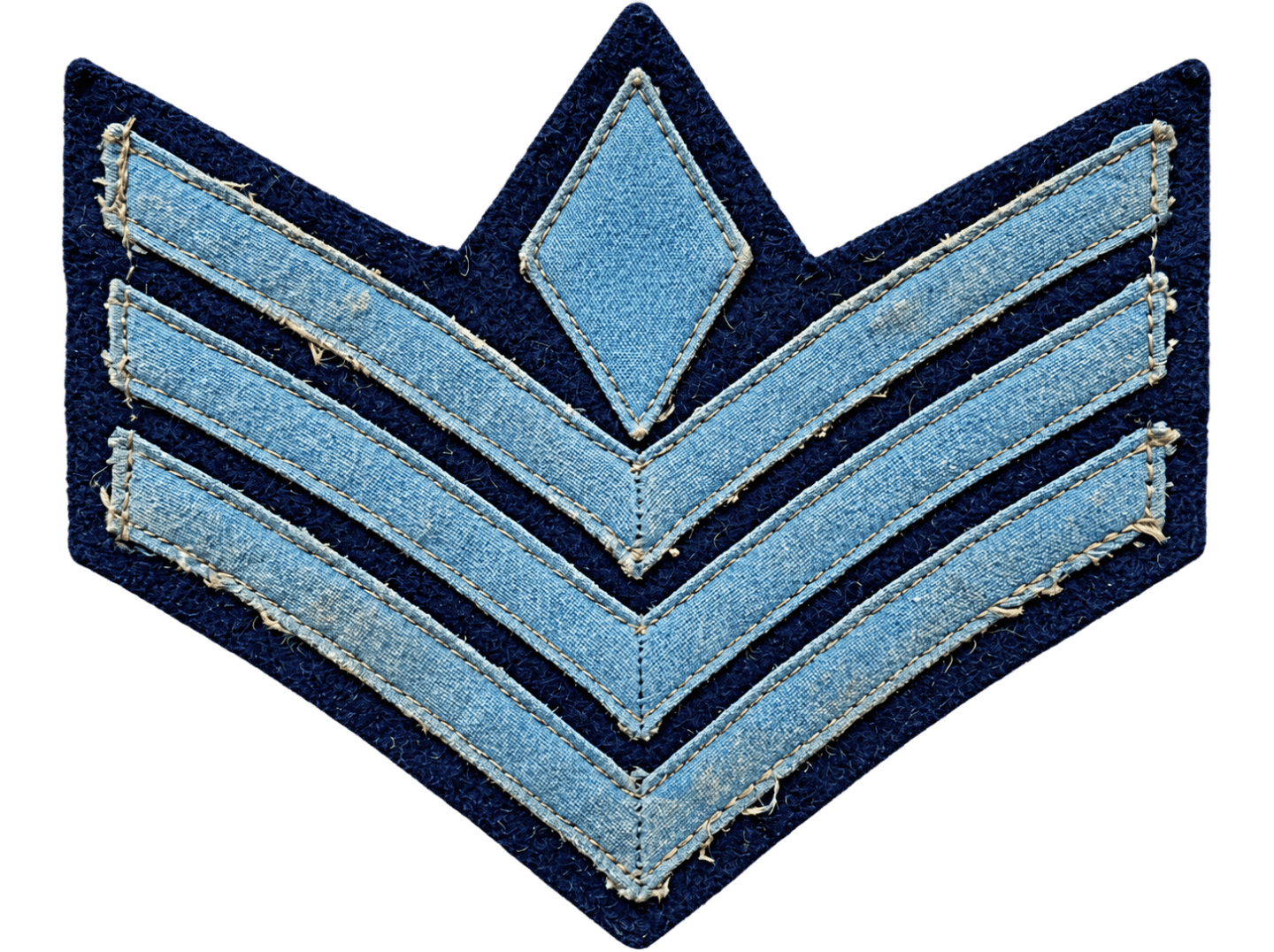
He Saved the Colors and Returned Alone
Orlando Emanuel Caruana was born on June 23, 1844, in Valletta, Malta, then a British Crown Colony. He would become one of the Maltese-born soldiers whose service in the United States Army earned the Medal of Honor during the American Civil War. His military distinction rested on two documented acts of courage in 1862: rescuing a wounded color sergeant and the regimental flag under enemy fire, and surviving a dangerous reconnaissance mission in which three fellow volunteers were killed.
Caruana emigrated to the United States while still a teenager. He arrived in New York Harbor aboard the brig Europa on July 29, 1858, when he was fourteen years old. By the time of the 1860 United States census, he was living in a New York City boarding house and working as a clerk. These early records establish his presence in America several years before the Civil War transformed his life.
On August 7, 1861, Caruana enlisted in the Union Army in New York City for a three-year term of service. Although he was only seventeen, his enlistment record listed his age as twenty. He was mustered into Company K of the 51st New York Volunteer Infantry on September 7, 1861, with the rank of sergeant. The regiment subsequently served in major Union campaigns, and Caruana eventually attained the rank of first sergeant. His Medal of Honor citation, however, identifies him as a private.
In early 1862, Caruana participated in Union military operations along the North Carolina coast. The 51st New York Infantry served in the expedition commanded by Major General Ambrose E. Burnside, whose forces captured Roanoke Island in February before advancing toward New Bern. These operations formed part of the Union effort to establish control over strategically important positions in eastern North Carolina.
On March 14, 1862, Caruana took part in the Battle of New Bern. During the fighting, the 51st New York Infantry advanced against Confederate defensive positions near the railway. The regiment encountered heavy enemy fire, and casualties mounted as Union soldiers pressed their attack.
Amid the engagement, the regimental color sergeant was wounded. Caruana went to his assistance and brought both the wounded soldier and the regimental colors away from the fighting under heavy enemy fire. The colors were an important means of identifying and rallying a military formation, making their preservation significant during combat. His actions at New Bern became the first of two incidents for which he would later receive the Medal of Honor.
Six months later, Caruana again distinguished himself during the Maryland Campaign. On September 14, 1862, Union and Confederate forces fought the Battle of South Mountain as Federal troops attempted to force passages through the mountain range and pursue General Robert E. Lee's Army of Northern Virginia.
During the battle, Caruana was one of four Union soldiers who volunteered to determine the enemy's position. The mission took the small party into a dangerous area near the Confederate defenses. While conducting their reconnaissance, the volunteers came under enemy fire. Three of the four soldiers were killed.
Caruana survived the encounter, escaped the immediate danger, and returned safely to his command. His survival was especially significant because the mission had cost the lives of every other member of the volunteer party. This reconnaissance at South Mountain became the second action recognized in his Medal of Honor citation.
Caruana's military service continued after South Mountain. He participated in the Battle of Antietam on September 17, 1862, where the 51st New York Infantry took part in the fighting around Burnside's Bridge. His later wartime service included periods away from active field duty, and accounts of his military career also describe wounds sustained during subsequent fighting in Virginia.
His three-year enlistment concluded in 1864. The New York State military roster records his discharge as effective September 6, 1864, at New York City. His service had included major engagements in North Carolina, Maryland, and Virginia, while his two Medal of Honor actions remained the defining events of his military career.
Following his departure from military service, Caruana established a civilian life in Washington, D.C. On February 16, 1865, he married Frances Marion Harvey, known as Fanny. They raised a family that included Madaline Sophia, Mortimer Emanuel, and Edgar Ermonia Caruana. He also entered federal civilian employment, working as a clerk in the War Department.
Recognition of his wartime heroism came more than twenty-eight years after the actions themselves. On November 14, 1890, Orlando Emanuel Caruana received the Medal of Honor for his conduct at New Bern and South Mountain in 1862. The decoration recognized both his rescue of the wounded color sergeant and the regimental colors and his participation in the reconnaissance mission from which he alone returned alive.
Caruana remained involved in organizations associated with Union veterans. In Washington, he participated in the Grand Army of the Republic and the Union Veterans' Legion. He served in veterans' organizational roles and, by 1906, had become commander of John A. Rawlins Post No. 1 in the Department of the Potomac. His continued involvement connected him with fellow veterans decades after the end of the Civil War.
His first wife, Frances, died on December 19, 1891. In 1896, Caruana married Mary Catherine Fullerton. He continued living into the twentieth century, and a Medal of Honor certificate was issued to him on May 12, 1914.
Orlando Emanuel Caruana died on September 14, 1917, at the age of seventy-three, exactly fifty-five years after his Medal of Honor action at South Mountain. He was buried at Mount Olivet Cemetery in Washington, D.C.
Caruana's historical legacy rests on two distinct acts of bravery. At New Bern, he rescued a wounded soldier and preserved his regiment's colors under enemy fire. At South Mountain, he volunteered for a reconnaissance mission that claimed the lives of his three companions and returned safely to his unit. Together, these actions secured his place among the Medal of Honor recipients of the American Civil War and established a lasting connection between his birthplace in Malta and the military history of the United States.
Become the named supporter for this profile and edit the tribute biography and portrait (Owner account required). Proceeds help keep the archive online.
$25 USD / year — annual sponsorship renewal. Keeps the page online and, where enabled, the family anniversary remembrance emails active.